
Container Gardens
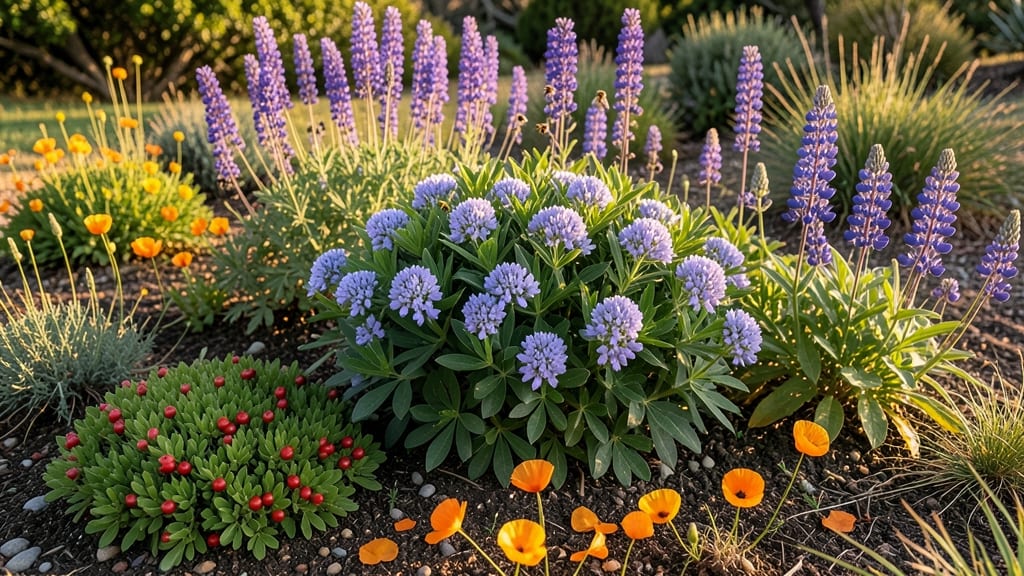
The University of California Riverside Botanic Gardens offers a stunning showcase of California native species, exotic tropical plants, and global biodiversity across its 12-acre research and public display space. With free admission and themed garden sections, it's an ideal destination for plant lovers and families seeking seasonal blooms and rare collections.
The University of California Riverside Botanic Gardens stands out as a living classroom where science meets beauty. 🌿 This 12-acre oasis blends research with public enjoyment, featuring everything from drought-resistant California natives to rare tropical specimens.
What makes it special is how it connects visitors to conservation efforts—many plants here play critical roles in ecological restoration projects. The gardens also host seasonal events, like guided tours that reveal hidden stories behind each collection.
Whether you're a seasoned gardener or a curious beginner, the diverse plant families—like the striking cycads or delicate orchids—offer endless inspiration. The free admission policy removes barriers, inviting everyone to explore how plants thrive in different climates.
I always recommend visiting during spring for wildflower displays or fall for vibrant foliage, but the real magic lies in discovering the lesser-known trails where research meets recreation. 🌺
💡 In This Article
- Exploring UC Riverside’s Rare Plant Collections
- Best Times to Visit UC Riverside Botanic Gardens
Exploring UC riverside’s rare plant collections
The UC Riverside Botanic Gardens houses over 1,500 plant species, including many rare and endangered varieties that serve as living research collections. One standout is the cycad collection, featuring prehistoric-looking plants like Zamia integrifolia, which are critically important for studying ancient plant evolution.
These slow-growing plants can live for centuries, and their seeds contain toxic compounds that scientists analyze to understand plant defense mechanisms.
Succulent lovers will find the cactus and succulent garden particularly fascinating, showcasing over 300 species adapted to arid conditions.
The Echeveria and Aloe varieties here demonstrate incredible water storage adaptations—some can survive months without rain by storing moisture in their thick leaves. 🌵 The gardens also maintain a rare orchid collection, including species like the Cypripedium calceolus, which faces habitat loss in the wild but thrives under the gardens' precise cultivation protocols.
What makes these collections scientifically valuable is their role in conservation. Many plants here are part of the California Native Plant Society's Rare Plant Program, where researchers track population health and genetic diversity.
For example, the Santa Ana manzanita (Arctostaphylos manzanita) in the native plant section is endangered due to habitat destruction, but the gardens maintain a genetically diverse population to support reintroduction efforts.
Themed garden sections provide practical insights into plant cultivation. The medicinal plant garden demonstrates how species like Echinacea and Valerian are grown for pharmaceutical research, while the tropical conservatory shows how humidity and temperature control create microclimates for delicate species.
Visitors can observe firsthand how orchid pollination works through glass panels that reveal intricate flower structures designed to attract specific insects.
For plant enthusiasts, the gardens offer hands-on learning opportunities. The propagation lab demonstrates tissue culture techniques used to clone endangered species, while seasonal workshops teach visitors how to identify and propagate native plants.
The seed bank preserves genetic material from rare species, ensuring future generations can study and restore them. 🌱 This dual role as both research facility and public garden creates a unique space where conservation meets education.
The ecological importance extends beyond the gardens' walls. Many species here serve as pollinator magnets, supporting local bee and butterfly populations. For instance, the California buckwheat (Eriogonum fasciculatum) attracts native bees with its dense clusters of tiny flowers, demonstrating how native plants sustain ecosystems.
The gardens' living collections provide a tangible connection between scientific research and real-world conservation challenges.