
Container Gardens
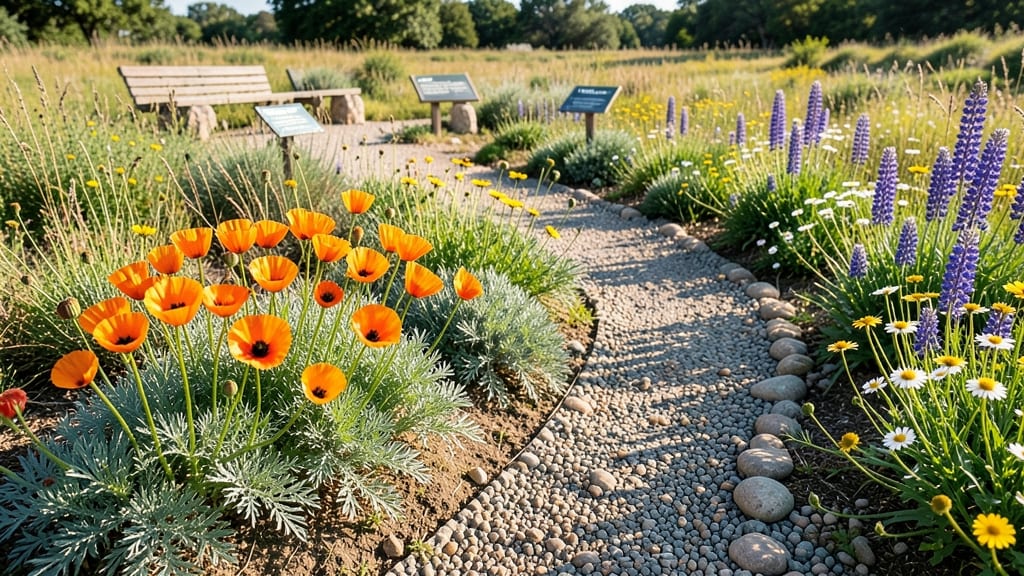
Botanical gardens in Pasadena offer year-round botanical beauty, featuring iconic collections like the Huntington Library’s desert and rose gardens plus Descanso Garden’s Japanese and Mediterranean displays. These curated spaces combine rare plant varieties with expert landscaping for immersive nature experiences.
Pasadena’s gardens thrive thanks to its ideal Mediterranean climate, which supports everything from delicate orchids to hardy desert cacti. 🌵 The Huntington Library’s 120-acre collection includes over 17,000 plant species, while Descanso’s 15-acre Japanese garden features meticulously pruned bonsai and koi ponds.
What sets these gardens apart is their conservation focus—many rare and endangered species find protection here through active breeding programs and climate-controlled greenhouses.
For visitors, timing matters: spring brings the Huntington’s legendary rose garden in full bloom, while winter transforms Descanso’s Mediterranean section into a sea of camellias. The gardens also host unique events like evening lantern tours and holiday-themed displays that showcase seasonal highlights beyond the usual blooms.
Whether you're a plant enthusiast or just seeking peaceful green spaces, Pasadena’s botanical gardens deliver year-round inspiration.
💡 In This Article
- Why Pasadena’s Botanical Gardens Stand Out Among California’s Best
- Seasonal Planning Guide: Best Times to Visit Pasadena Gardens
Why Pasadena’s botanical gardens stand out among California’s best
Pasadena’s gardens thrive because of the region’s Mediterranean climate, which creates perfect conditions for both desert and temperate plants. The average annual rainfall of 16-20 inches supports lush gardens while avoiding the extreme humidity of coastal areas.
This balance allows the Huntington Library’s desert garden to showcase over 5,000 cacti and succulents, including rare species like the Saguaro cactus (Carnegiea gigantea), which can grow 50 feet tall in ideal conditions.
Meanwhile, the Huntington’s rose garden features 1,500 varieties, including heirloom roses that require precise pruning techniques to maintain their historic forms.
The gardens’ historical significance adds depth to their botanical value. The Huntington was established in 1919 by railroad heir Henry Huntington, who designed it as both a private retreat and a public resource.
The 120-acre property includes original 1920s-era conservatories with stained-glass domes that create dramatic light effects for tropical plants. Descanso Garden, founded in 1959, focuses on Mediterranean landscapes with 15 acres of terraced gardens that mimic natural ecosystems.
Both gardens use drip irrigation systems that conserve water while delivering precise hydration to each plant type.
What truly sets Pasadena’s gardens apart is their conservation work. The Huntington’s Botanical Research Institute preserves endangered species like the California fan palm (Washingtonia filifera) through tissue culture propagation. Descanso’s Rare Plant Program has successfully reintroduced 10,000+ plants of threatened species into the wild.
These efforts combine scientific research with public education—visitors can see conservation in action through living collections that demonstrate sustainable gardening practices.
The gardens’ design also enhances their scientific value. The Huntington’s desert garden uses geographic zoning to group plants by their native regions, creating microclimates that mimic natural habitats. Descanso’s Japanese garden features 18 ponds arranged in a 3.5-acre landscape that follows traditional niwa (garden) principles.
These thoughtful layouts help plants thrive while providing educational opportunities for visitors to understand ecological relationships.
For plant enthusiasts, the gardens offer year-round blooms thanks to strategic plant selection. The Huntington’s orchid collection includes 1,000+ varieties that flower at different times, while Descanso’s camellia collection provides winter color when many gardens are dormant.
This careful planning ensures visitors always find something in bloom, making Pasadena’s gardens a 365-day destination rather than just a seasonal attraction.
Beyond their botanical treasures, these gardens serve as living laboratories for climate adaptation research. As California faces changing weather patterns, the gardens test drought-resistant plants and sustainable landscaping techniques. The Huntington’s climate-controlled greenhouses maintain 70-80% humidity for tropical species while using LED grow lights that mimic natural sunlight spectra.
These innovations make Pasadena’s gardens both beautiful and scientifically vital for California’s future.