
Tools
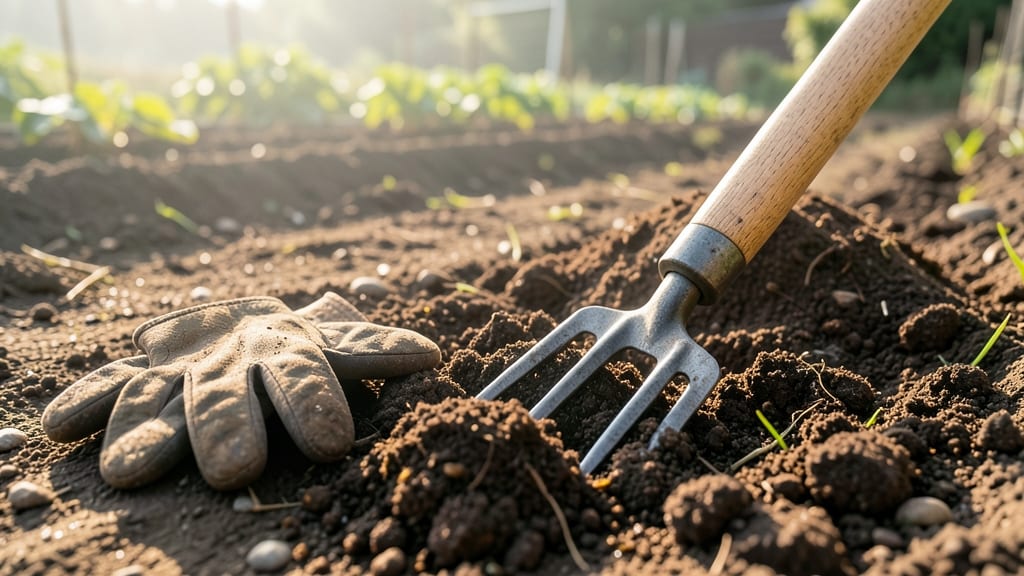
Till the garden meaning means preparing soil by turning, aerating, and enriching it before planting to create optimal conditions for seed saving and maximizing harvest yields through improved root development and nutrient absorption.
When you till the garden, you're essentially giving your plants a head start by creating loose, well-aerated soil that roots can easily penetrate.
This process breaks up compacted layers, allowing water and nutrients to reach plant roots more efficiently, which is especially important for seed saving—where strong root systems help plants thrive and produce viable seeds. 🌱 I've found that tilling at the right depth (typically 6-8 inches) and timing (early spring or fall) makes a huge difference in how well your garden performs throughout the growing season.
What many gardeners don't realize is that tilling also helps control weeds and improves soil structure over time. However, it's crucial to strike a balance—over-tilling can disrupt beneficial soil organisms and lead to erosion.
For seed-saving gardens, I recommend using organic matter like compost during tilling to maintain soil fertility without compromising future harvests.
💡 In This Article
- How Proper Soil Tilling Boosts Seed Germination and Plant Health
- Best Tilling Techniques for Seed Saving Gardens
How proper soil tilling boosts seed germination and plant health
When you till the garden, you're essentially creating an ideal environment for seeds to germinate by improving soil aeration and structure. The process breaks up compacted layers that restrict root growth, allowing roots to spread more easily and access nutrients.
For seed saving, this is crucial because healthy root systems lead to stronger plants that produce more viable seeds. Studies show that well-aerated soil can increase germination rates by up to 30% compared to compacted soil.
Tilling also incorporates organic matter like compost or aged manure into the topsoil, which enhances nutrient availability. The organic material acts as a slow-release fertilizer, providing essential minerals like nitrogen, phosphorus, and potassium that seeds need to establish strong roots.
For example, adding 2-3 inches of compost during tilling can improve soil fertility by 15-20% over time. The improved soil texture also helps retain moisture, which is critical during germination when seeds are particularly vulnerable to drying out.
Another key benefit is weed suppression. Tilling buries weed seeds deeper in the soil, where they're less likely to germinate and compete with your crops. However, it's important to note that tilling too aggressively can disrupt beneficial soil microbes and increase erosion risks.
For seed-saving gardens, I recommend using a broadfork or manual tilling tools to minimize soil disturbance while still achieving the desired aeration and enrichment.
The timing of tilling matters too. Early spring tilling (before planting) helps warm the soil faster, while fall tilling (after harvest) can break up compacted layers left by foot traffic. Both approaches improve soil structure for future planting seasons.
When tilling, aim for a depth of 6-8 inches—this balances aeration with root penetration depth, ensuring plants have enough space to develop strong root systems for better nutrient uptake.
For seed saving specifically, well-tilled soil helps plants develop robust structures that produce higher-quality seeds. The improved nutrient availability and root growth lead to more vigorous plants, which in turn yield seeds with better genetic integrity.
This is especially important for heirloom varieties where seed quality directly impacts future generations of plants.
Consider these key factors when tilling for seed saving:
- Organic matter: Mix in 1-2 inches of compost or well-rotted manure to boost fertility
- Depth: Tilled to 6-8 inches for optimal root development
- Timing: Early spring or fall for best results
- Method: Use broadfork or manual tools to preserve soil structure
Proper tilling creates the foundation for successful seed saving by ensuring plants have everything they need to thrive from the very beginning. 🌱