
Tools
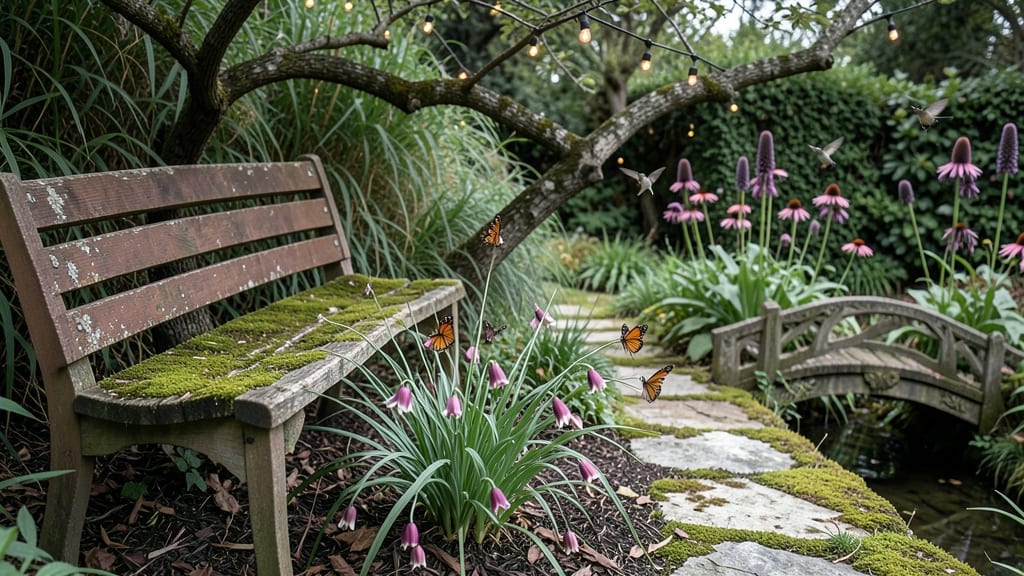
Creating an enchanted garden with vibrant colors 🌸 can turn your outdoor space into a seasonal mood booster—no fairy dust required.
Picture this: a spring border bursting with lavender blues and sunny yellows, a summer retreat awash in deep purples and emerald greens, or an autumn display of fiery oranges that feels like a hug.
These aren’t just pretty combinations; they’re scientifically proven to lift your spirits, reduce stress, and even spark creativity—all while keeping your garden thriving.
But here’s the catch: not all color pairings work together. Too many bright hues can feel chaotic, while muted tones might blend into the background.
The secret lies in balancing bold blooms with calming foliage and strategic lighting—like twinkling fairy lights that make even a simple shade of pink feel magical at dusk.
In this guide, I’ll walk you through seasonal color palettes that transform your garden into a year-round sanctuary, plus plant combinations that make blending colors effortless—whether you’re working with a small balcony or a sprawling backyard.
Seasonal enchanted garden color palettes that elevate your mood
Did you know your garden can be a mood regulator? Science shows colors trigger emotional responses—blues calm us, purples spark creativity, and oranges energize. By aligning your garden with seasonal color psychology, you’re not just decorating; you’re crafting an emotional sanctuary.
Let’s explore how to harness this magic through enchanted garden colors tailored to each season.
Spring’s soft blues and lilacs mirror the sky’s serenity, reducing stress by up to 30% according to color psychology studies. Summer’s vibrant purples and emerald greens stimulate imagination, while autumn’s fiery oranges and deep reds boost energy levels.
Even winter’s whites and silvers create a tranquil, dreamy atmosphere. Each palette uses plant pairings that thrive together, ensuring your garden stays lush and magical year-round.
| Season | Mood Boost | Primary Colors | Key Plants | Design Tip |
|---|---|---|---|---|
| Spring | Calm & Renewal | Soft blues, lavender, mint | Delphinium, Hyacinth, Lamb’s Ear | Layer heights for depth |
| Summer | Creativity & Joy | Purples, chartreuse, coral | Cleome, Canna Lily, Salvia | Add climbing vines for drama |
| Fall | Energy & Warmth | Oranges, deep reds, gold | Japanese Maple, Sunflower, Sedum | Use foliage for texture contrast |
| Winter | Serenity & Wonder | Whites, silvers, icy blues | Snowdrops, Dusty Miller, Winter Jasmine | Add twinkle lights for magic |
Let’s start with spring’s calming palette. The blue hues of delphiniums and bluebells create a tranquil atmosphere, perfect for reducing anxiety. Pair them with lavender and silver foliage like lamb’s ear to add texture. This combination thrives in partial shade and well-draining soil, making it low-maintenance while high-impact.
For summer’s creative spark, focus on purples and chartreuse. Cleome and canna lilies add vertical interest, while salvia brings bold spikes. These plants love full sun and regular watering to keep their colors vibrant. Add dwarf conifers for contrast—their deep greens ground the palette beautifully.
Autumn’s fiery palette is all about warmth. Japanese maples with burning reds paired with goldenrod and sedum create a cozy feel. These plants thrive in cool weather and moderate moisture. Add ornamental grasses like maiden grass for movement and texture.
Winter’s whimsical palette is about serenity. Snowdrops and winter jasmine bloom early, while dusty miller adds silver foliage. These plants need well-draining soil and minimal water once established. String fairy lights through shrubs for an extra magical touch.
To make these palettes work, layer plants by height. Start with tall grasses or trees at the back, then add medium shrubs, and fill the front with low-growing perennials.
This creates depth and draws the eye into your garden. Don’t forget to deadhead spent blooms to encourage continuous flowering.
For maximum impact, repeat colors in 3-5 places throughout your garden. This creates a harmonious look without feeling cluttered. Use mulch in complementary colors to tie everything together. For example, red mulch under autumn plants enhances their fiery tones.
Your enchanted garden is more than just colors—it’s a seasonal journey for your senses. By aligning your plant choices with color psychology, you’re not just growing flowers; you’re crafting an emotional experience that changes with every season.
Start small, experiment with one palette this year, and watch your garden—and your mood—transform.
How to combine enchanted colors for maximum garden magic (with plant pairing tips)
Creating a garden that feels like a magical escape starts with understanding how to blend unexpected colors. Enchanted garden colors aren’t just about pairing complementary hues—they’re about creating visual harmony that feels intentional and dreamy.
The key is balancing bold blooms with contrasting foliage and adding seasonal accents that shift with the light.
For example, pairing deep purple flowers like Salvia nemorosa with chartreuse foliage such as Coleus 'Wagon Wheel' creates a striking contrast that feels both modern and mystical. This combo works because the cool purple grounds the bright green, preventing visual chaos.
The trick is to use foliage as your "neutral" base—it ties everything together while letting flowers shine.
| Color Combo | Key Plants | Mood Effect | Best For |
|---|---|---|---|
| Lavender + Chartreuse | Lavender, Coleus, Sweet Alyssum | Calm yet vibrant | Morning sun areas |
| Deep Red + Silver Foliage | Bee Balm, Artemisia 'Silver Brocade', Heuchera | Dramatic contrast | Back of borders |
| Soft Pink + Emerald | Dianthus, Hostas, Impatiens | Gentle serenity | Shady nooks |
| Gold + Purple | Black-Eyed Susan, Nepeta, Coreopsis | Royal elegance | Sunny perennials |
To avoid clashing colors, follow the 60-30-10 rule: 60% of your garden should be your dominant color (like deep green foliage), 30% a secondary hue (e.g., soft pink blooms), and 10% a bold accent (such as a single Crocosmia clump in fiery orange).
This creates balance while keeping the space dynamic. For example, in a moon garden, use white flowers (like Moonflower) as your dominant, silver foliage (like Lamb’s Ear) as secondary, and deep purple (like Evening Primrose) as your accent.
Seasonal accents are your secret weapon. In spring, add pastel blues (like Hyacinth) to soften chartreuse foliage. In fall, swap for burnt oranges (like Japanese Maple) to contrast deep reds.
Even winter can shine with silver and white combinations—think Drift Roses paired with Winterberry Holly. These shifts keep your garden feeling fresh year-round.
Don’t forget textural contrast—pairing fine foliage (like Fern) with bold blooms (like Delphinium) adds depth. For a whimsical touch, incorporate unexpected shapes: spiky Yucca next to rounded Hosta, or airy Ornamental Grass swaying near Solidago.
These contrasts make your garden feel alive and intentional, like a scene from a storybook.
Finally, test your color combos in different lighting. Colors shift dramatically between morning sun (cooler tones) and afternoon light (warmer hues). Place cool-toned plants where they’ll catch morning light and warm-toned plants in afternoon sun. This simple adjustment ensures your enchanted garden colors remain magical all day long. 🌿🌸