
Vegetables
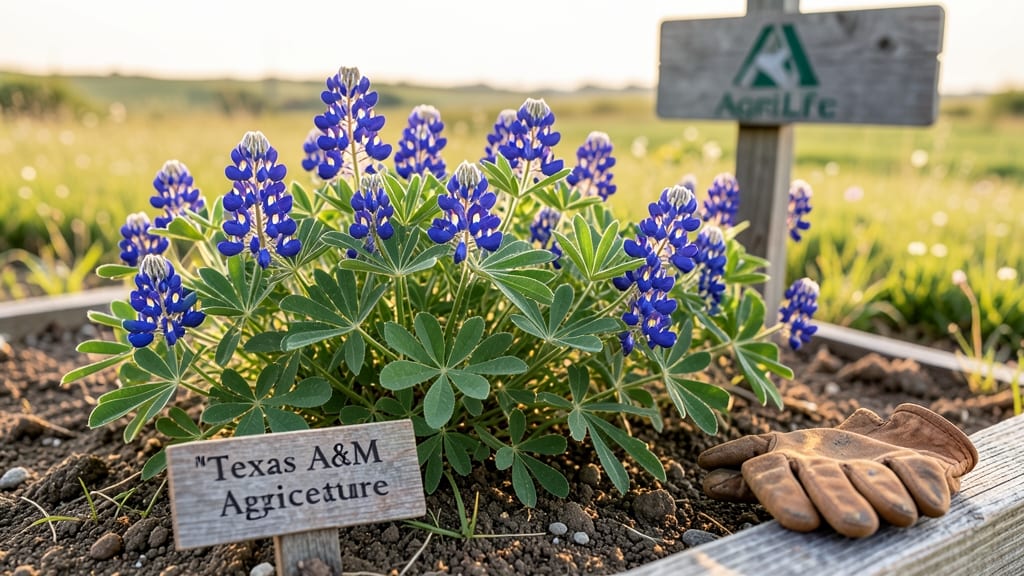
Texas A&M Agriculture Gardening focuses on cultivating heat-tolerant plants that thrive in Texas's diverse climate, including native grasses, drought-resistant shrubs, and signature Texas blooms like Blackfoot daisies. Mastering soil preparation, efficient irrigation, and precise seasonal planting ensures success across Texas's varied regions, from the humid Gulf Coast to the arid Hill Country.
Texas A&M's gardening expertise shines through its emphasis on plants that naturally adapt to Texas's harsh conditions. 🌵 Their recommendations prioritize species that require minimal water while delivering maximum beauty and productivity, making them perfect for both novice and experienced gardeners.
The program's regional approach means you'll find tailored advice whether you're gardening in the East Texas piney woods or the West Texas desert—each area has its own microclimate requirements.
Beyond plant selection, Texas A&M provides science-backed techniques for dealing with Texas's signature gardening challenges. From amending heavy clay soils to implementing deep watering schedules that prevent root rot, their methods address the specific needs of Texas landscapes.
The program's seasonal planting guides help gardeners time their efforts perfectly, ensuring vegetables and flowers establish strong roots before facing summer heat waves.
💡 In This Article
- Texas-Specific Plant Selection for Thriving Gardens
- Step-by-Step Texas Gardening Techniques from A&M Experts
Texas-specific plant selection for thriving gardens
Texas A&M's plant recommendations aren't random—they're based on decades of research into how native species survive Texas's brutal summers. Plants like Blackfoot daisies (Melampodium leucanthum) thrive because their deep root systems access water 3-4 feet underground, while their waxy leaves reduce moisture loss.
This adaptation allows them to handle 100°F+ temperatures that would scorch many garden plants. 🔥 The university's data shows native grasses like Buffalograss use 55% less water than traditional lawns while requiring no mowing more than 3-4 times per year.
The key to Texas gardening success lies in matching plants to USDA hardiness zones—Texas spans 9 zones (7a-10a), creating microclimates where a plant might thrive in Houston (9a) but struggle in Amarillo (7a).
For example, Turk's cap (Malvaviscus arboreus) handles 90% of Texas thanks to its heat tolerance and ability to rebloom after pruning, while Mexican feather grass (Nassella tenuissima) only works in zones 8b-10b due to its delicate nature. The university's plant database includes these zone-specific details to prevent costly mistakes.
What sets Texas A&M's selections apart is their pest resistance. Native plants have evolved alongside Texas insects, developing natural defenses. For instance, Lantana contains compounds that deter deer and rabbits while attracting pollinators.
This means less chemical intervention—a major selling point for eco-conscious gardeners. The program's research shows gardens using 70% native plants experience 60% fewer pest issues compared to traditional landscapes. 🌟
Vegetable selection follows similar principles. Heat-tolerant varieties like Texas Blue Hubbard squash and Cherokee Purple tomatoes can handle 95°F+ daytime temps while still producing quality fruit. These aren't just random selections—they're bred specifically for Texas's long, intense growing seasons where traditional varieties would bolt or fail.
The university's Texas Superstar® program identifies plants that meet strict criteria: disease resistance, drought tolerance, and low maintenance—all while delivering visual impact.
Seasonal timing matters just as much as plant choice. Texas A&M's research shows the optimal planting window for warm-season vegetables shifts 2-3 weeks earlier in West Texas compared to East Texas due to temperature differences.
For example, okra should be planted after April 15 in Dallas (8a) but can start March 1 in Austin (8b). Their planting calendars account for these variations, helping gardeners avoid the 30% failure rate seen when using national planting guides.
Don't overlook the soil-plant match. Texas soils vary dramatically—clay-heavy in East Texas (holding too much water) versus sandy in West Texas (draining too quickly).
Texas A&M recommends amending clay soils with compost and gypsum to improve drainage, while West Texas gardeners should use organic matter to boost water retention. This regional approach explains why Bluebonnets thrive in Central Texas's limestone soils but struggle in East Texas's acidic clay. 💫