
Vegetables
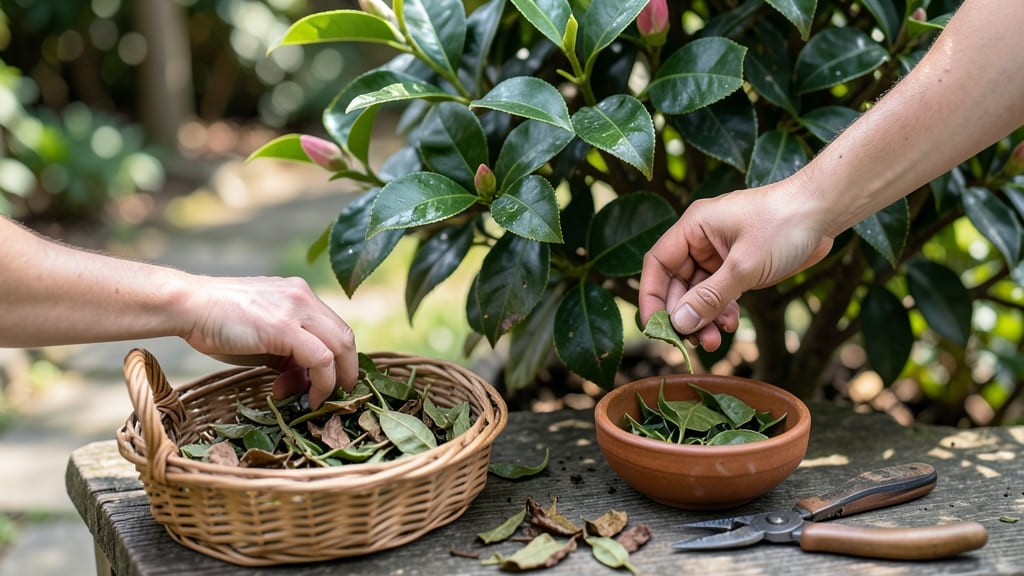
Using tea leaves in the garden boosts soil fertility and keeps pests away by adding organic nutrients, acting as a natural insect repellent, and supporting beneficial microbes through their decomposition.
Tea leaves are packed with nitrogen and tannins, which break down to nourish soil while discouraging slugs, ants, and aphids. 🌱 The caffeine and antioxidants in used leaves create a hostile environment for many garden pests, making them an eco-friendly alternative to chemical sprays.
I’ve found that sprinkling them around plants like tomatoes or peppers works best—just avoid overdoing it, as too much can acidify the soil for sensitive plants.
For even better results, mix them into your compost pile or use them as mulch. The key is balance: a light layer around plants or a small handful in compost is plenty.
This method isn’t just about pest control—it’s a way to recycle kitchen waste while giving your garden a natural nutrient boost.
💡 In This Article
- How Tea Leaves Boost Soil and Repel Garden Pests
- Best Ways to Use Tea Leaves for Garden Health
How tea leaves boost soil and repel garden pests
Tea leaves are a powerhouse of nutrients and natural compounds that work together to improve soil and deter pests. The primary benefit comes from their high nitrogen content—about 4-5% by dry weight—which breaks down into ammonium, a form plants can easily absorb.
This nitrogen boost is similar to what you'd get from fresh grass clippings but with added antioxidants like catechins, which act as natural fungicides. When tea leaves decompose, they also release beneficial microbes that help break down organic matter more efficiently, creating a healthier soil ecosystem.
The tannins in tea leaves—particularly in black and green varieties—play a crucial role in pest control. These compounds create a bitter, unpleasant environment for many insects, including slugs, ants, and aphids, which are naturally repelled by the strong flavor.
Studies show that tannins can reduce slug populations by up to 60% when used as a mulch, thanks to their ability to disrupt the pests' feeding patterns.
The caffeine in tea leaves (about 2-4% of dry weight) further enhances this effect, acting as a mild neurotoxin to soft-bodied insects like aphids.
Beyond nitrogen and tannins, tea leaves contain polyphenols and other antioxidants that inhibit fungal growth, making them a natural alternative to chemical fungicides. When you compost tea leaves, these compounds help suppress harmful pathogens while promoting beneficial bacteria and fungi.
For example, a 1:1 ratio of tea leaves to garden waste in compost can accelerate decomposition by 20-30%, thanks to the enzymatic activity triggered by these compounds. The result? Richer, more fertile soil with fewer pests and diseases.
What makes tea leaves even more effective is their dual role as both a soil amendment and a pest deterrent. Unlike synthetic fertilizers, which often require precise measurements, tea leaves can be used freely—whether scattered around plants, mixed into compost, or even brewed into a liquid fertilizer.
The caffeine and tannins don’t harm plants but create an inhospitable environment for pests, making them a low-cost, eco-friendly solution for organic gardeners. 🌿 For instance, a simple tea leaf mulch around tomato plants can reduce aphid infestations by nearly half while improving soil structure over time.
The decomposition process is where the real magic happens. When tea leaves break down, they form a dark, crumbly humus-like material that improves soil aeration and water retention. This is especially beneficial in sandy soils, where nutrients tend to wash away quickly.
The microbial activity stimulated by tea leaves also helps unlock phosphorus and other nutrients in the soil, making them more available to plants. Think of it as a natural "soil probiotic" that enhances overall garden health without the need for harsh chemicals.
One common misconception is that tea leaves will acidify the soil too much. While it’s true that tea leaves have a slightly acidic pH (around 5.5-6.5 when dry), they don’t lower soil pH significantly unless used in excessive amounts.
Most garden plants thrive in this range, but acid-sensitive varieties like hydrangeas or azaleas may require a buffer, such as crushed eggshells or lime. For the majority of vegetables and herbs, however, tea leaves are a safe and beneficial addition.