
Tools
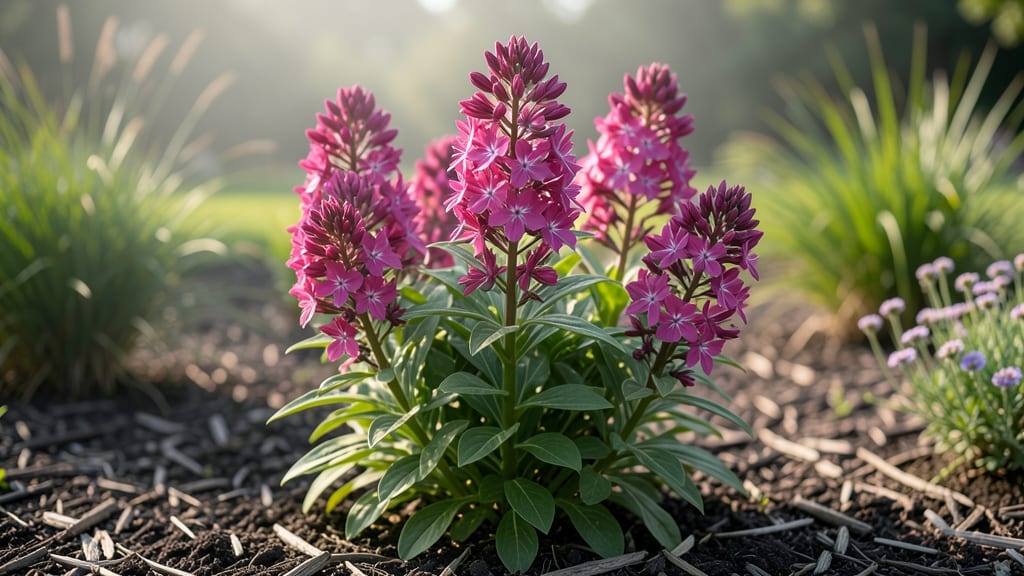
Growing the tallest garden phlox 🌸 varieties like 'David' or 'Lipstick' can turn your garden into a stunning vertical display, reaching heights of 5 to 6 feet with the right care.
If you dream of dramatic vertical gardens that turn heads and attract pollinators, these towering beauties could be your secret weapon—but only if you know the tricks to keep their stems sturdy and blooms abundant.
Most gardeners underestimate how much soil prep and sunlight truly matter for maximizing height, or they don’t prune at the right time, leaving stems weak and flopping over by midsummer.
In this guide, I’ll walk you through the exact steps—from soil amendments to staking techniques—that have helped me grow record-breaking phlox, plus the best companion plants to pair with them for a show-stopping display.
Tallest garden phlox varieties: height records and growing conditions
If you're chasing that wow factor in your garden, the tallest garden phlox varieties deliver with heights up to 6 feet. These stunners create vertical drama while attracting hummingbirds and butterflies. The key to their impressive stature lies in proper growing conditions—from soil prep to sunlight exposure.
Let's dive into the top 5 tallest phlox and how to coax them to their full potential.
Garden phlox (Phlox paniculata) thrives in USDA zones 4-9, making them versatile for most gardeners. Their late-summer blooms (July-September) provide color when many other perennials fade.
The tallest varieties often need supportive care to prevent flopping stems, but the rewards—dramatic height and abundant flowers—are worth the effort.
Here's a quick comparison of the tallest phlox varieties and their ideal growing conditions:
| Variety | Max Height | Bloom Time | USDA Zones | Sun Needs |
|---|---|---|---|---|
| 'David' | 5-6 ft | Late July-August | 4-9 | Full sun |
| 'Lipstick' | 4-5 ft | August-September | 4-8 | Full sun |
| 'Blue Paradise' | 3-4 ft | July-August | 4-9 | Full sun |
| 'Jeana' | 4-5 ft | August-September | 4-8 | Full sun-part shade |
| 'White Delight' | 4-5 ft | August-September | 4-9 | Full sun |
'David' currently holds the height record among garden phlox, reaching 6 feet with proper care. This variety produces dense flower clusters in shades of deep pink and white, making it a standout in any border.
For maximum height, plant in well-draining soil with 6+ hours of sunlight daily.
The 'Lipstick' variety earns its name with bold magenta blooms that contrast beautifully against green foliage. It's slightly shorter than 'David' but equally vigorous. These tall phlox varieties all share similar soil preferences: moist but well-drained soil with a pH between 6.0-7.0.
Amend heavy clay with compost or sand to improve drainage.
All tall phlox varieties benefit from regular deadheading to encourage continuous blooming. Remove spent flowers by pinching them off just above a set of leaves. This simple step can extend the bloom season by 3-4 weeks.
For extra stability, consider installing support stakes at planting time—especially for varieties like 'David' that can topple in wind.
Watering needs vary by season and climate. During active growth (spring-summer), aim for 1-1.5 inches of water weekly. In hotter zones, you may need to water every 3-4 days to prevent bud drop.
Mulch around the base with 2-3 inches of organic mulch to retain moisture and regulate soil temperature.
Fertilizing tall phlox properly is critical for height. Use a balanced fertilizer (10-10-10) in early spring when new growth appears. Apply again after the first flush of blooms to support stem strength.
Avoid high-nitrogen fertilizers, which promote leafy growth at the expense of flowers. A light feeding of bone meal in early spring can also strengthen stems.
For container growing, choose large pots (18+ inches deep) with drainage holes. Use a lightweight potting mix blended with perlite to prevent root rot. Container-grown phlox may need more frequent watering and staking since their roots have less anchorage.
Place containers in full sun and protect them from strong winds that can damage stems.
In USDA zones 4-5, provide winter protection by adding a 4-6 inch layer of mulch after the first frost. This helps insulate roots during cold snaps. In warmer zones (7-9), watch for powdery mildew—a common issue with tall phlox in humid climates.
Improve air circulation by spacing plants 18-24 inches apart and avoid
How to maximize height and stability in tall phlox stems
Tall garden phlox varieties like Phlox paniculata 'David' or 'Lipstick' can reach impressive heights of 5 to 6 feet, but their floppy stems often disappoint gardeners.
The key to maintaining upright growth lies in a combination of proper staking, strategic pruning, and soil amendments that strengthen stems from the ground up.
Many gardeners make the mistake of treating tall phlox like delicate annuals, but these perennial powerhouses thrive with structured support and seasonal care.
Whether you're dealing with windy conditions or simply want to create a dramatic vertical display, these techniques will help your phlox stand tall and proud all season long.
While feeding your phlox encourages blooms, excess nitrogen produces soft, floppy stems that can't support themselves. Use a balanced 10-10-10 fertilizer sparingly—once every 4-6 weeks during the growing season—and always follow up with well-draining soil to prevent root rot.
Start by amending your soil with organic compost or a sand-perlite mix to improve drainage and stem strength. Aim for well-draining soil that's rich in organic matter—this prevents waterlogged roots that weaken stems.
I like to mix 2 inches of compost into the top 6-8 inches of soil before planting, then top with 1 inch of mulch to retain moisture without smothering roots.
For staking tall phlox, I recommend using flexible bamboo stakes or soft garden twine instead of rigid metal supports. Insert stakes 3-4 inches deep beside each plant, then loosely tie stems with twine as they grow.
This allows stems to move naturally in the wind without snapping. Avoid tight ties that can girdle stems as they thicken.
Pruning plays a crucial role in maintaining height and stability. In early spring, cut back last year's stems to 6 inches tall to encourage new, sturdy growth. Then, in late summer, deadhead spent blooms but leave 2-3 inches of stem to support next year's growth.
This two-step approach prevents leggy, weak stems while maintaining your phlox's dramatic height.
Watering habits also impact stem strength. Always water at the base of the plant in the early morning to prevent fungal diseases that weaken stems. Avoid overhead watering, which can cause stem rot and encourage flopping.
During hot summer months, I increase watering to every 3-5 days but reduce frequency as temperatures cool.
With these techniques, your tallest garden phlox will stand proudly in your garden, attracting pollinators and turning heads. The secret is consistency—proper soil, gentle support, and smart pruning will keep those stems strong and your phlox reaching for the sky! 🌸