
Tools
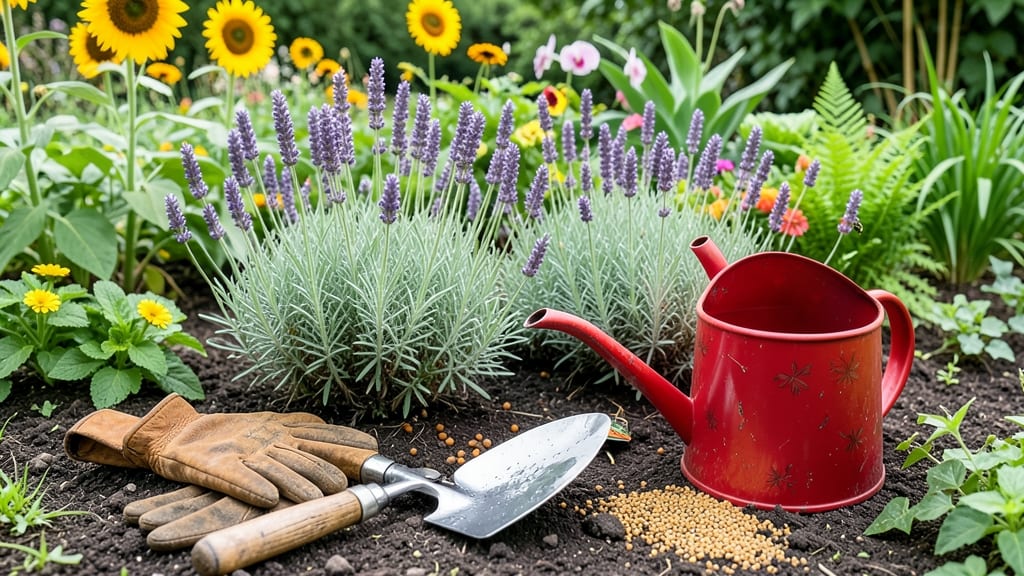
Synonyms for gardening include horticulture, cultivation, and floriculture, each describing different aspects of plant care, from soil preparation to flower growing. These variations help gardeners communicate specific techniques or preferences clearly.
When you're talking about gardening, the right term can make all the difference—especially if you're discussing specific techniques or plant types. Horticulture refers to the science of growing plants, while cultivation focuses on the hands-on work of tending soil and crops.
Floriculture narrows it down to flower-growing, but terms like arboriculture (tree care) or pomology (fruit cultivation) further refine the conversation. 🌱 These distinctions help gardeners, landscapers, and botanists collaborate more precisely, whether planning a backyard garden or managing a large-scale farm.
Beyond the basics, regional and historical terms add depth to gardening discussions. For example, allotment gardens (common in Europe) or community gardens (popular in the U.S.) describe shared growing spaces, while kitchen gardens highlight practical, food-focused plots.
Niche terms like permaculture or biodynamic farming reflect specialized approaches, each with its own philosophy and methods. Understanding these variations lets you tailor your language to the context—whether you're chatting with a neighbor or consulting with a professional.
💡 In This Article
- Horticulture vs Cultivation: Key Differences in Gardening Terms
- Regional and Historical Gardening Vocabulary to Elevate Your Green Space
Horticulture vs cultivation: key differences in gardening terms
The term horticulture goes beyond mere gardening—it's the scientific study of plant cultivation, encompassing botany, genetics, and sustainable practices. When you hear horticulturists discuss micropropagation (growing plants from tissue cultures) or pollination techniques, they're applying specialized knowledge to optimize growth.
This field even includes postharvest physiology, which explains why your tomatoes stay fresher longer when stored at 55-60°F rather than room temperature.
Cultivation, on the other hand, refers to the practical, hands-on work of preparing soil, planting, and maintaining crops. Think of it as the "doing" part of gardening—turning compost, pruning roses, or hand-weeding. While horticulture might analyze soil pH levels (ideal range: 6.0-7.0 for most vegetables), cultivation focuses on the physical labor to achieve those conditions. For example, no-till farming is a cultivation technique that preserves soil structure while reducing erosion.
Specialized terms like floriculture (flower-growing) or arboriculture (tree care) further refine the conversation. Floriculture involves techniques like deadheading (removing spent blooms) to encourage continuous flowering, while arboriculture deals with pruning methods like crown thinning to improve tree health.
These distinctions matter when discussing specific needs—like how arborists use cable systems to support large trees, a concept foreign to most home gardeners.
Here's where it gets interesting: pomology (fruit cultivation) and oenology (wine grape growing) are horticulture subsets with their own jargon.
A pomologist might discuss chilling hours (the number of hours below 45°F needed for fruit trees to produce fruit), while an oenologist focuses on grape varieties like Cabernet Sauvignon that thrive in 1,500-2,000 chilling hours annually. These terms help professionals communicate precisely about plant behaviors and environmental needs.
The key difference lies in scope: horticulture is the science behind plant growth, while cultivation is the practice of applying that science. For instance, understanding photosynthesis (how plants convert sunlight to energy) falls under horticulture, but actually positioning plants to maximize sunlight exposure is cultivation.
This duality explains why gardeners might say they're cultivating a vegetable patch while a professional might describe the same activity as practicing horticultural techniques.
Consider this analogy: Horticulture is like having a master's degree in plant science, while cultivation is your hands-on gardening experience. Both are valuable—one provides the theory, the other delivers the results.
For example, knowing that companion planting (growing basil near tomatoes) deters pests is cultivation, but understanding why it works through allelopathy (chemical interactions between plants) is horticulture. 🌿