
Tools
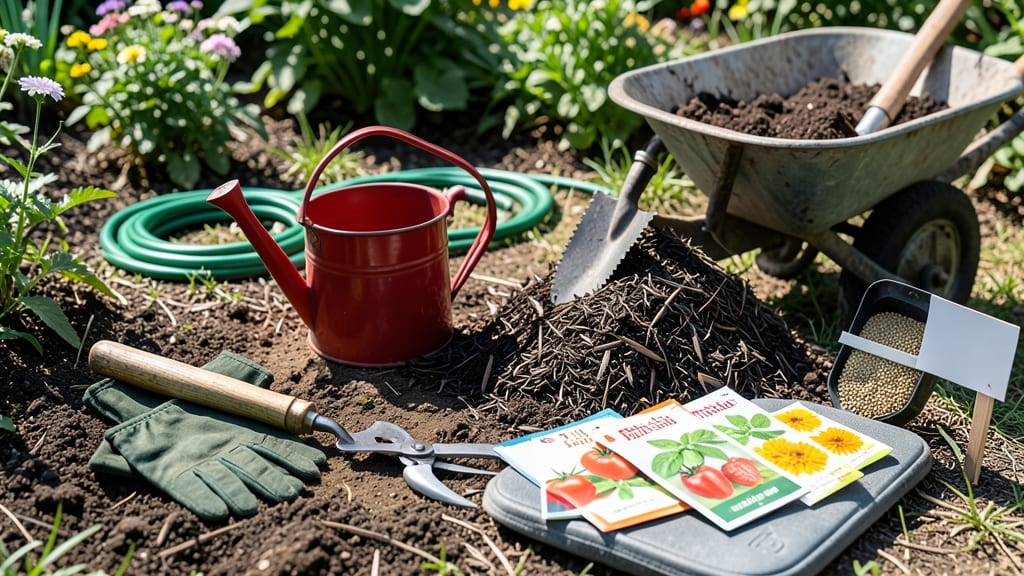
Gardening steps turn empty soil into a thriving oasis—whether you’re growing veggies, herbs, or flowers, these simple stages make the difference between wilting disappointment and a lush harvest.
Picture this: you’ve prepped your soil, planted with care, and then—nothing grows. The truth? Most gardeners miss just one critical step, like watering at the wrong time or skipping soil tests. I’ve made those mistakes (and learned from them), so you don’t have to.
From testing your dirt to harvesting your first tomatoes, this guide breaks down the 10 essential gardening steps in plain terms—no green thumb required. Whether you’re working in pots on a balcony or tilling a backyard plot, these tips adapt to your space and goals.
You’ll learn how to time your planting, feed your plants the right way, and troubleshoot problems before they start. By the end, you’ll have a season-long plan that keeps your garden vibrant, productive, and stress-free.
10 Essential steps for gardening success: a seasonal blueprint
Every thriving garden starts with a clear plan and consistent care. The 10 essential steps for gardening create a roadmap for success, whether you're cultivating vegetables, flowers, or herbs. By following this seasonal blueprint, you'll avoid common mistakes and maximize your garden's potential year-round.
The key is balancing preparation with ongoing maintenance—like testing soil in early spring or mulching before winter.
I’ve learned that skipping even one step—like proper spacing or regular pruning—can lead to stunted growth or pest infestations. For example, tomatoes planted too close will compete for nutrients, while roses need deadheading to encourage more blooms.
This guide breaks down each phase with actionable timing, so you can adapt to your climate and plant types. Start with site selection, then move through soil prep, planting, and seasonal upkeep.
| Step | Action | Best Time | Key Tip |
|---|---|---|---|
| 1 | Site Selection | Early Spring | Choose 6+ hours of sun for veggies; partial shade for flowers. |
| 2 | Soil Testing & Prep | 4-6 Weeks Before Planting | Amend with compost or aged manure for nutrients. |
| 3 | Planting Schedule | After Last Frost (Spring) or Early Fall | Follow seed packet or plant tags for depth and spacing. |
| 4 | Watering Routine | Morning (Daily in Summer) | Water at soil level, not leaves, to prevent disease. |
| 5 | Fertilizing Plan | Every 4-6 Weeks (Spring-Fall) | Use balanced fertilizer (10-10-10) or organic options. |
| 6 | Pest & Disease Monitoring | Weekly (Spring-Summer) | Remove affected leaves immediately to stop spread. |
| 7 | Pruning & Deadheading | Spring & Summer | Encourages new growth in perennials and flowers. |
| 8 | Seasonal Mulching | Spring & Fall | Use 2-3 inches of mulch to retain moisture. |
| 9 | Harvesting Techniques | Morning (Peak Freshness) | Pick regularly to encourage continuous production. |
| 10 | Winter Prep | Late Fall | Protect tender plants with row covers or mulch. |
Let’s start with site selection, the foundation of your garden. I always scout my yard in late winter to identify sunny spots and avoid low-lying areas where water pools. For example, zucchini and peppers need full sun, while lettuce tolerates partial shade.
Sketch a rough layout to visualize plant placement and pathways. Remember, 3-4 feet of walking space between rows makes maintenance easier.
Next, soil testing is non-negotiable. I use a simple pH test kit ($10 at garden centers) to check acidity or alkalinity. Most vegetables prefer a 6.0-7.0 pH, while blueberries thrive in acidic soil (pH 4.5-5.5).
Amend your soil 4-6 weeks before planting with compost or peat moss. For heavy clay soil, mix in sand or perlite to improve drainage—this is a game-changer for root health.
Once your soil is ready, planting becomes the exciting next step. I always follow the seed packet guidelines for depth and spacing. For instance, carrots need loose soil and 2-inch spacing, while marigolds can handle closer planting.
Water thoroughly after planting to settle the soil and remove air pockets. Pro tip: Plant fast-growing crops like radishes first to mark your rows while slower plants establish.
Consistent watering is where many gardens fail. I water deeply in the morning to reduce evaporation and fungal risks. Most plants need 1-2 inches of water per
Critical mistakes to avoid in each gardening step (and how to fix them)
Even experienced gardeners sometimes fall into common traps that stifle plant growth or invite pests. Skipping soil testing or overwatering are just two examples of gardening mistakes that can derail your entire season.
The good news? Most issues have simple fixes if you catch them early. I’ve seen wilted seedlings recover with proper spacing and yellowing leaves revive after adjusting watering habits.
Let’s break down the most frequent errors at each stage—from soil prep to harvest—and how to correct them before they spiral. Think of this as your gardening first-aid kit for quick problem-solving.
Whether you’re battling fungal diseases or struggling with poor germination, these solutions will keep your plants thriving all season long.
⚠️ Top 3 Irreversible Gardening Mistakes
- Ignoring soil pH: Plants like blueberries need acidic soil (pH 4.5-5.5), while tomatoes thrive at pH 6.0-6.8. Test your soil before planting—amendments can fix imbalances in weeks.
- Overcrowding seedlings: Cramped roots compete for nutrients, leading to stunted growth. Space seedlings 2-3x their mature width apart (check seed packets for exact measurements).
- Neglecting pest prevention: Waiting until aphids appear means they’ve already weakened your plants. Start with neem oil sprays or companion plants like marigolds to deter pests proactively.
💡 Pro Tip: Keep a gardening journal to track mistakes—note what worked (and what didn’t) for next season!
One of the earliest mistakes gardeners make is skipping soil preparation. Simply digging a hole and dropping in seeds often leads to poor root development and nutrient deficiencies. Instead, loosen the soil 12 inches deep and mix in compost or aged manure.
This improves drainage and aeration, giving roots room to grow. I once had carrots grow crooked because the soil was too compacted—adding sand and compost fixed the issue for the next planting.
Watering is another area where well-meaning gardeners go wrong. Overwatering suffocates roots by cutting off oxygen, while underwatering stresses plants and attracts pests. The key is deep, infrequent watering: Aim for 1-2 inches of water per week, delivered in the early morning to reduce evaporation.
Use a moisture meter to check soil levels—most plants prefer slightly dry soil between waterings rather than soggy conditions.
Incorrect plant spacing is a sneaky problem that often goes unnoticed until harvest time. Overcrowded plants compete for sunlight and nutrients, leading to smaller yields and increased disease risk.
Always follow seed packet guidelines for spacing—tomatoes need 18-24 inches between plants, while lettuce can grow happily 6-12 inches apart. Thin seedlings early to avoid root-bound stress.
Finally, many gardeners overlook seasonal maintenance, assuming once plants are in the ground, they’re set for the season. But mulching, pruning, and fertilizing at the right times make all the difference.
For example, side-dressing nitrogen-rich fertilizer mid-season boosts leafy greens like spinach, while deadheading flowers encourages more blooms. A little effort now prevents bigger problems later.
By avoiding these common pitfalls, you’ll save time, money, and frustration—plus, your plants will reward you with healthier growth and bigger harvests. Start with soil and watering, then refine your spacing and maintenance routines. Before you know it, your garden will be the envy of the neighborhood! 🌱