
Advice
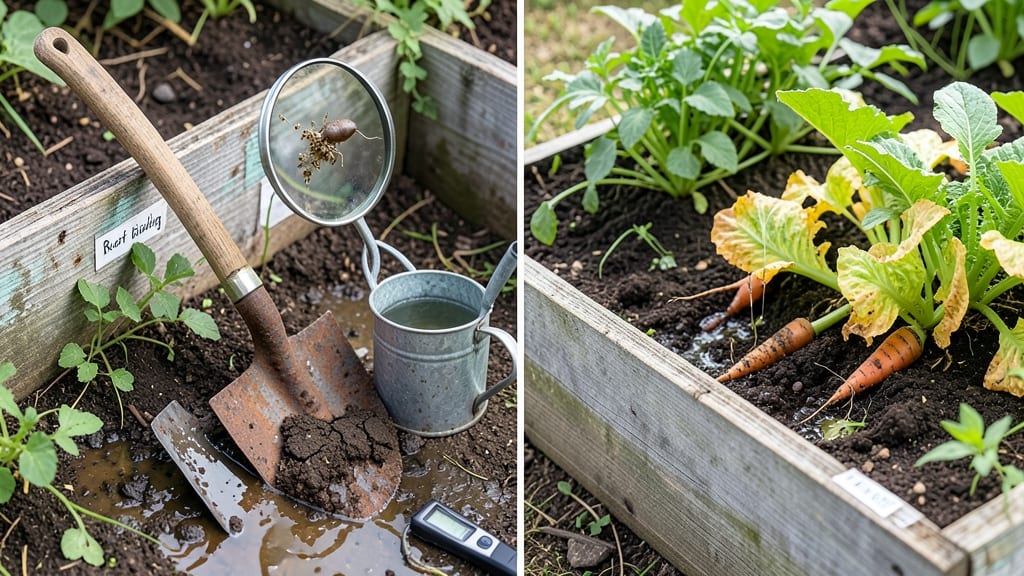
The disadvantages of raised bed gardening include higher upfront costs for materials, drainage problems if soil layers aren't properly balanced, and soil that dries out faster than in-ground beds. Space constraints and accessibility can also become issues for some gardeners.
While raised beds offer many benefits, their unique structure creates specific challenges.
The soil composition often requires more frequent watering since it heats up faster and loses moisture quickly, especially in hot climates. 💧 Many gardeners also find that maintaining proper drainage—without letting nutrients wash away—takes extra attention to soil amendments and layering techniques.
Plus, the initial investment in quality lumber or composite materials can add up, particularly when building multiple beds.
Another consideration is how raised beds limit root space compared to traditional in-ground plots. This can affect larger plants like tomatoes or squash, which need deeper soil to thrive.
For those with mobility limitations, bending over tall beds may also become uncomfortable over time, making accessibility a genuine drawback for some gardeners.
💡 In This Article
- Common Soil and Moisture Challenges in Raised Beds
- Cost and Space Considerations for Raised Garden Beds
Common soil and moisture challenges in raised beds
Raised beds lose moisture at a rate 30-50% faster than in-ground soil due to their exposed structure. The lack of surrounding earth means the soil heats up more quickly under sunlight, accelerating evaporation.
In hot climates, this can mean watering 2-3 times daily during peak summer months, especially for shallow-rooted plants like lettuce or herbs.
The texture of raised bed soil—often a mix of compost, peat, and perlite—creates larger air pockets that help drainage but also make water retention harder compared to clay-heavy in-ground soil.
The soil composition in raised beds undergoes rapid changes due to organic matter breakdown. Compost and aged manure decompose faster in the contained space, releasing nutrients quickly but also causing pH fluctuations.
Without proper amendments, the soil can become too acidic (pH <6.0) or alkaline (pH >7.5) within a season, affecting plant uptake of essential minerals like nitrogen or phosphorus. For example, tomatoes thrive in 6.0-6.8 pH—if your bed drifts to 7.0+, blossom-end rot becomes a common issue despite adequate watering.
Improper layering creates drainage dilemmas that stunt root growth. A common mistake is using too much coarse material like gravel at the bottom, which prevents beneficial microbes from colonizing the root zone.
The ideal setup uses 2-3 inches of coarse wood chips or landscape fabric for drainage, topped with a 12-inch layer of balanced soil mix. Too little drainage causes waterlogging, while too much creates dry pockets where roots can't access moisture.
This is why many gardeners report stunted growth in vegetables like carrots or potatoes, which need consistent moisture throughout their root zones.
Nutrient depletion happens faster in raised beds because the contained soil volume is smaller. A typical 4'x8' bed holds about 1 cubic yard of soil, which plants consume quickly.
Unlike in-ground gardens where nutrients replenish naturally from surrounding soil, raised beds require annual top-dressing with compost (2-3 inches) and balanced fertilizer. Without this, you'll notice leaf yellowing (chlorosis) in heavy feeders like corn or squash, even when watering seems adequate.
Seasonal temperature swings worsen these challenges. In winter, raised beds cool faster than ground soil, potentially delaying spring planting by 2-3 weeks. In summer, the enclosed soil can reach 90°F+ at surface level, shocking delicate seedlings.
Mulching with 3-4 inches of straw helps regulate temperatures, but it's an extra step most in-ground gardeners don't face. The trade-off between faster warming (good for early spring) and rapid drying (bad for summer) creates a maintenance balancing act.
Consider these solutions to mitigate these challenges:
- Watering strategy: Use drip irrigation on a timer to deliver 1-1.5 inches per week, avoiding surface evaporation
- Soil testing: Test pH and nutrient levels twice yearly to adjust amendments before problems appear
- Root zone protection: Add 1 inch of compost every 3 months to maintain fertility
- Temperature control: Install black plastic mulch** in summer to reduce heat spikes