
Tools
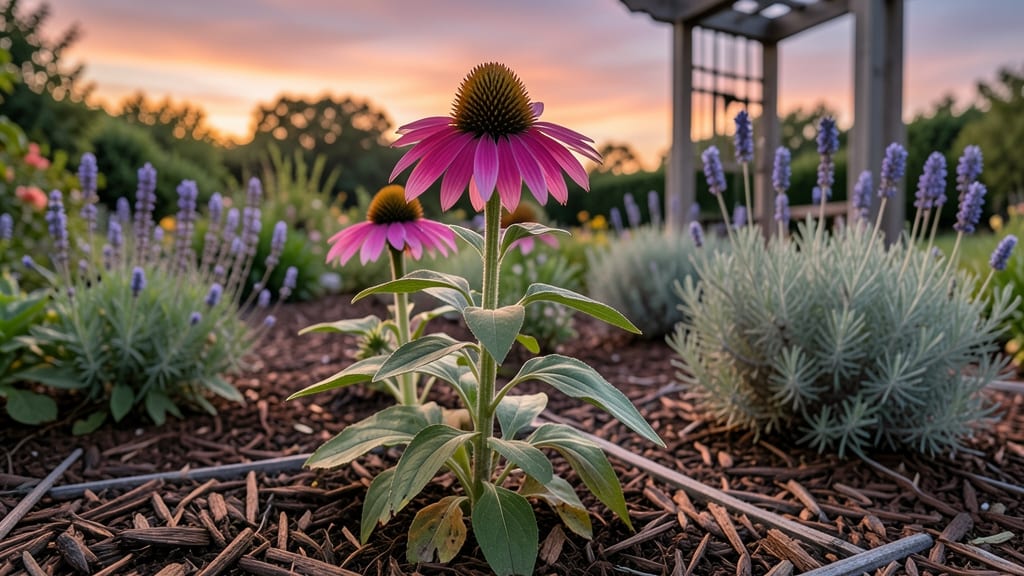
Sunset garden zones help you select plants that will thrive in your exact local growing conditions, accounting for factors like elevation, soil types, and unique regional climates such as coastal fog or desert heat. The Sunset Western Garden Book provides tailored plant lists for each of the 24 zones.
These zones go beyond the USDA's hardiness map by factoring in microclimates—like urban heat islands or mountain slopes—that dramatically affect plant success. 🌿 For example, a Zone 7 garden in the Pacific Northwest might handle different plants than one in the Midwest, even with similar temperatures.
The key is matching your zone number to the book's recommendations, which include drought-resistant options for arid areas or cold-tolerant varieties for high-altitude regions.
What sets Sunset zones apart is their focus on practical performance rather than just survival. The book even suggests seasonal adjustments, like mulching in Zone 14's intense heat or protecting tender plants in Zone 1's coastal winds.
This precision ensures your garden not only survives but thrives in its specific conditions.
💡 In This Article
- How Sunset Zones Differ from USDA Hardiness Zones
- Top Plants for Each Sunset Zone (With Planting Tips)
How Sunset zones differ from USDA hardiness zones
The Sunset Western Garden Book's system goes beyond the USDA's temperature-based approach by incorporating 14 key climate factors, including fog, wind exposure, and soil types.
While USDA zones focus solely on average annual minimum temperatures (e.g., Zone 7 ranges from -10°F to 0°F), Sunset zones account for how these microclimates affect plant health.
For instance, a coastal Zone 7 garden in California may experience 50% more humidity than one in Colorado, drastically altering which plants thrive. 🌊
Take lavender as an example: in Zone 14 (desert climates), it needs well-draining soil and minimal water to survive summer temps reaching 110°F. But in Zone 7 (Pacific Northwest), the same plant benefits from morning sun and afternoon shade to avoid coastal fog's dampness.
The Sunset system even adjusts for elevation—what grows at sea level in Zone 9 may fail 1,000 feet higher5°F per 1,000 feet. This precision explains why a plant might succeed in two USDA Zones 8 but only in Sunset Zones 12 and 19.
Soil composition plays a critical role too. Sunset zones highlight three primary soil types: sandy (Zone 12), clay-heavy (Zone 1), and loamy (Zone 15). A rosemary plant that thrives in sandy Zone 12 soil would struggle in clay-heavy Zone 1 without amendments.
The system also flags urban heat islands, where city concrete can raise temps by 5-10°F compared to rural areas—critical for heat-sensitive plants like basil in Zone 17.
What's fascinating is how Sunset zones address seasonal extremes that USDA zones ignore. For example, Zone 1's coastal winds require windbreaks for delicate plants, while Zone 14's desert zones need mulch to retain moisture during 120°F+ days.
The book even suggests seasonal adjustments, like planting heat-tolerant varieties in Zone 14's summer or cold-hardy ground covers in Zone 1's winter. This level of detail ensures your garden isn't just surviving—it's optimized for its exact microclimate.
Here's a concrete comparison: A hydrangea might survive in both USDA Zone 6 and Sunset Zone 1, but in Zone 1's coastal climate, it needs afternoon shade and acidified soil to prevent leaf burn.
In contrast, the same plant in Zone 14's desert would require drip irrigation and shade cloth to prevent dehydration. These distinctions explain why Sunset zones have 24 unique categories while USDA has just 13—each accounting for local growing realities.
The takeaway? Sunset zones provide a localized, science-backed framework that considers what actually works in your backyard, not just what might survive. This is why gardeners in Zone 7 might choose different lavender varieties than those in Zone 14, even though both areas have similar temperature ranges.
The system's attention to microclimates, soil, and seasonal patterns makes it the gold standard for Western gardeners seeking precision in plant selection. 🌱