
Planting
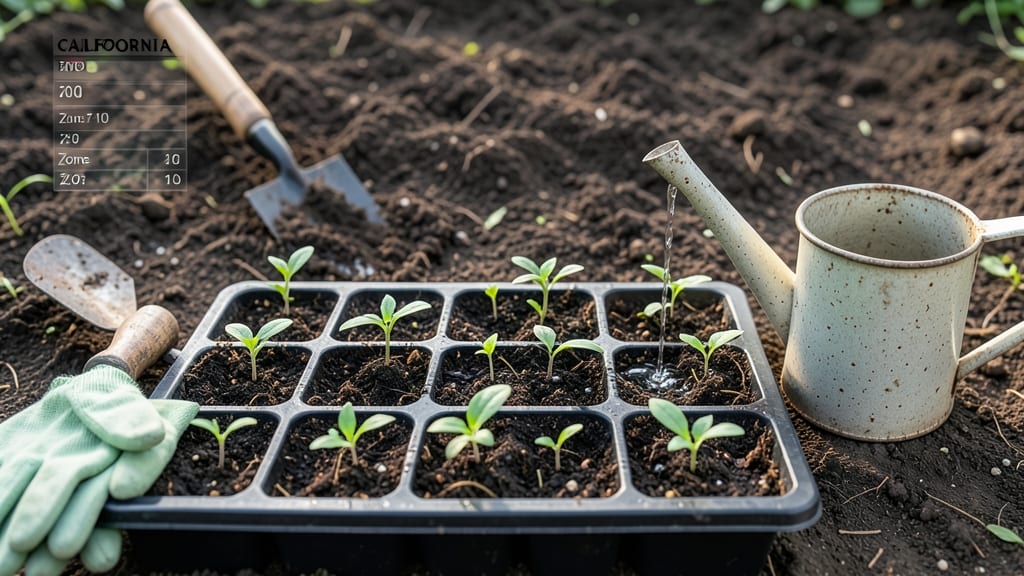
To plant a vegetable garden in California, timing is everything—especially when coastal fog clashes with inland heat and desert droughts.
California’s diverse climates—from coastal fog to desert heat—can make planting vegetables a high-stakes guessing game. But with the right timing, you can grow zero-risk crops year-round without the usual trial-and-error frustration.
Whether you’re in USDA Zone 7b or the Mediterranean hills, knowing when to start seeds or transplant seedlings means the difference between a thriving garden and a sad, wilted disappointment.
Here’s how to pinpoint the perfect planting window for your microclimate, plus seasonal strategies to keep your garden productive all year.
California’s 5 planting zones: when to start seeds & transplants by microclimate
California’s gardening calendar isn’t one-size-fits-all—it’s more like five different calendars packed into one state. Whether you’re in the coastal fog belt, the Central Valley’s heat sink, or the desert’s high-altitude oases, your planting timeline should match your microclimate.
Understanding these zones helps you avoid the heartbreak of frost-nipped seedlings or wilting transplants in summer heat. Let’s break down the five key planting zones and their zero-risk windows for lettuce, tomatoes, and beans—three crops that thrive with precise timing.
The USDA’s 11 planting zones simplify things, but California’s microclimates demand local adjustments. For example, San Francisco’s coastal zone (Zone 9b-10a) has no frost risk year-round, while Death Valley’s desert (Zone 9a-10b) can see soil temps over 100°F in summer.
Even within the same USDA zone, elevation changes of just 1,000 feet can shift planting windows by 3-4 weeks. That’s why I’ve tailored these guidelines to California’s five distinct growing regions, complete with frost-free dates and soil temperature triggers.
Key to success: Start seeds indoors when soil temps are 50-60°F for cool crops (like lettuce) and wait until 60-70°F for warm crops (like tomatoes). Transplant outdoors only after three consecutive days above 55°F for most vegetables. Below is a comparison of California’s five planting zones, including last frost dates, ideal transplant windows, and zero-risk seed-starting times for your top three crops.