
Tools
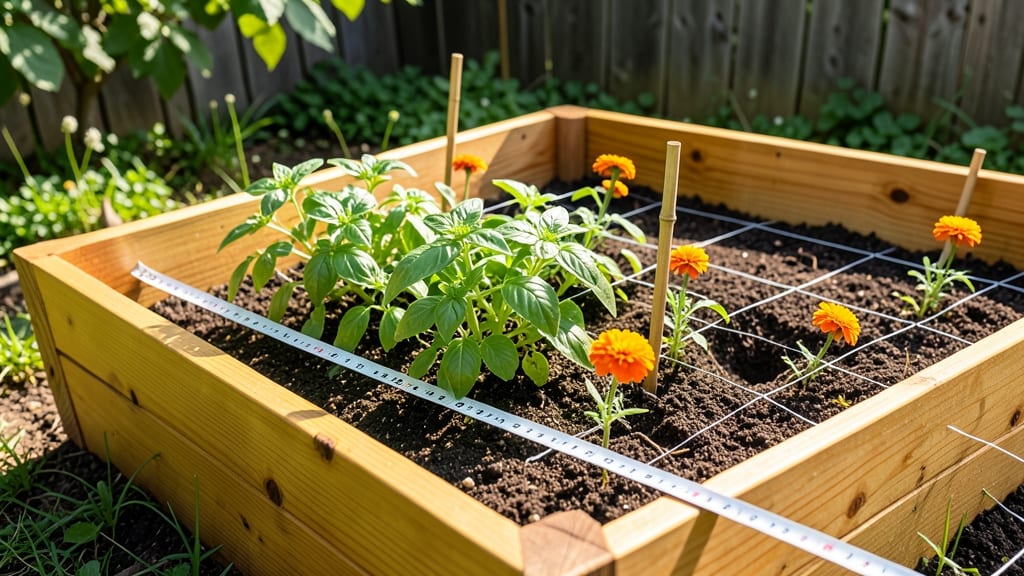
The standard garden bed size is typically 4 feet wide and 8–12 feet long, with plant rows spaced 18–36 inches apart to balance growth, ease of maintenance, and soil quality while boosting small-space yields.
The 4-foot width is ideal because it lets you reach the center of the bed without stepping on the soil, which prevents compaction and keeps pathways clear. 🌱 Longer beds (8–12 feet) maximize row space while staying manageable for most gardeners.
Proper row spacing—18–36 inches—reduces competition for nutrients and improves airflow, which cuts down on pests and diseases. I’ve found that adjusting spacing based on plant type (like 12 inches for lettuce vs. 24 inches for tomatoes) makes a huge difference in both yield and plant health.
For raised beds, these dimensions work even better because they warm up faster in spring and drain well. If you’re working with in-ground beds, consider adding 12-inch pathways between rows for easier access.
Tools like string lines and measuring tapes help maintain consistent spacing, and I always mark my beds with stakes to avoid confusion when replanting.
💡 In This Article
- Why Standard Garden Bed Dimensions Improve Plant Health and Harvests
- Designing Your Garden Bed: Layout Tips for Different Plant Types
Why standard garden bed dimensions improve plant health and harvests
The 4-foot width of a standard garden bed isn’t arbitrary—it’s rooted in ergonomics and soil science. When you reach across a 4-foot bed, your arm spans comfortably without stepping on the soil, which prevents compaction from foot traffic. Compacted soil reduces root growth and oxygen flow, stunting plants.
Studies show that soil in walked-on areas can lose up to 30% of its porosity, making it harder for roots to expand. This width also ensures even moisture distribution, as water and nutrients spread uniformly without creating dry or soggy pockets at the edges.
Length matters just as much, with 8–12 feet striking the perfect balance between space efficiency and manageability. Shorter beds (4 feet) can feel cramped for taller plants like tomatoes or corn, while beds longer than 12 feet become difficult to reach the center without disturbing the soil.
The length-to-width ratio of 3:1 (e.g., 12 feet long × 4 feet wide) mimics the natural spacing of wild plant communities, where competition for sunlight and nutrients is minimized. This ratio also aligns with the 18–36 inch row spacing that reduces weed growth by blocking sunlight from reaching weed seeds.
Row spacing of 18–36 inches isn’t just about fitting more plants—it’s about airflow and root competition. Plants in tight rows compete aggressively for water and nutrients, leading to stunted growth and increased susceptibility to fungal diseases like powdery mildew.
Wider spacing improves air circulation, which helps leaves dry faster after rain or watering, reducing fungal spores. For example, leafy greens like lettuce thrive in 12-inch rows, while larger plants like peppers or eggplants need 24–36 inches to avoid shading their neighbors.
This spacing also makes it easier to spot pests early, like aphids on the undersides of leaves.
Soil health benefits from these dimensions too. In a 4-foot-wide bed, the edges warm up faster in spring because they receive more direct sunlight, giving you a 2–3 week head start on planting compared to wider beds.
The length allows for contouring to slopes, preventing erosion and water runoff. For raised beds, these dimensions create a higher surface area-to-volume ratio, which means the soil warms up 10–15% faster than in-ground beds, extending the growing season.
Even in-ground beds benefit from this structure, as the defined edges prevent soil from spilling into pathways, keeping weeds at bay.
What most gardeners overlook is how these dimensions interact with companion planting. For instance, pairing 12-inch rows of carrots with 24-inch rows of tomatoes
The 4-foot width ensures you can easily access both crops without disturbing the other, while the 8–12 foot length allows you to interplant rows of basil between tomato plants to improve flavor and deter pests. This layered approach maximizes every inch of space while reducing the need for chemical interventions. If you’re working with limited space, like a balcony or small yard, these dimensions still apply—just scale down proportionally. A 2-foot-wide × 6-foot-long bed (half the standard size) maintains the same reachability and spacing principles, just for a smaller yield. The key is consistency: whether you’re growing herbs in containers or vegetables in a full-sized bed, the science of spacing remains the same. 🌱