
Tools
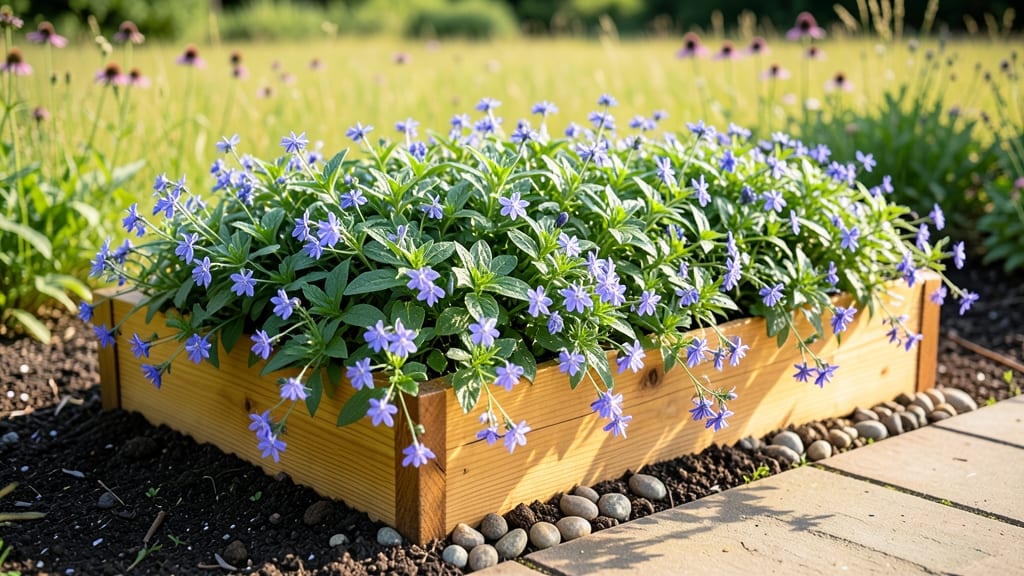
Determining the right garden bed height depends on balancing plant needs and accessibility, with most vegetable and flower beds performing best between 6 and 12 inches deep. Raised beds typically range from 12 to 18 inches to enhance drainage and reduce physical strain, though deeper setups may require more frequent watering and heavier construction materials.
Getting the garden bed height right isn't just about aesthetics—it directly impacts how well your plants thrive. 🌱 Shallower beds (6–8 inches) work for shallow-rooted plants like lettuce or herbs, while deeper beds (10–12 inches) support root crops like carrots or potatoes.
The key is matching depth to your plants' needs while keeping the bed accessible for weeding and harvesting.
I've found that adding a few inches of extra depth in raised beds can make a huge difference for plants that need more room to spread their roots without competing with weeds at the surface.
For accessibility, consider your own comfort—knee-high beds (12 inches) reduce bending, while waist-level raised beds (18 inches) are ideal for gardeners with mobility challenges.
Just remember, the taller the bed, the more you'll need to monitor moisture levels, as deeper soil can dry out faster or become waterlogged during heavy rains. The right height balances both plant health and your gardening experience.
💡 In This Article
- How Garden Bed Height Affects Plant Growth and Soil Health
- Choosing the Right Height for Accessibility and Plant Types
How garden bed height affects plant growth and soil health
The depth of your garden bed directly influences how plants access nutrients and water. Shallow-rooted plants like lettuce, radishes, or herbs thrive in beds just 6 inches deep, as their roots rarely extend beyond that.
The top 6 inches of soil contain the highest concentration of organic matter and microbial activity, which is why most vegetables and flowers don't need more than this.
For root vegetables like carrots or beets, you'll want at least 10–12 inches to accommodate their taproots, which can grow up to 12 inches long.
Drainage becomes a critical factor as bed height increases. Raised beds with 12–18 inches of depth allow excess water to drain away from roots more efficiently, preventing rot in plants like tomatoes or peppers that dislike soggy conditions.
The soil in deeper beds also warms up faster in spring because it's less insulated by surrounding ground soil, which can give early-season plants a 2–3 week head start. However, this warmth comes at a trade-off: deeper beds dry out faster, requiring 20–30% more frequent watering during hot months.
Soil temperature regulation is another key benefit of raised beds. The air pockets between the bed's base and surrounding soil create a natural insulating layer, keeping roots warmer in winter and cooler in summer. This is especially valuable for heat-sensitive crops like spinach or peas.
In contrast, in-ground beds maintain more stable temperatures but risk compaction from foot traffic, which can restrict root growth. The ideal bed height for most gardeners balances these factors—12 inches offers enough depth for most vegetables while keeping construction manageable.
Weed suppression is another advantage of taller beds. A 12-inch raised bed blocks most weeds from establishing along the edges, as their seeds struggle to reach the surface light. The mulch layer at the top also retains moisture longer, reducing the need for frequent watering.
However, deeper beds (over 18 inches) can become challenging to maintain, as they require heavier materials and more frequent soil amendments to prevent nutrient depletion in the lower layers.
Consider the soil composition when choosing height. Sandy soils drain too quickly in shallow beds, while clay soils can become waterlogged. A 10–12 inch raised bed with a mix of compost and topsoil provides the perfect balance for most gardeners, offering enough depth for root crops while keeping maintenance manageable.
The key is observing how your plants respond—if leaves yellow or growth stalls, it may signal insufficient root space or drainage issues.
For perennials and shrubs, deeper beds (up to 18 inches) can support their extensive root systems, but they require careful planning. The extra depth means you'll need to incorporate more organic matter to maintain fertility, as deeper soil layers often lack nutrients.
Always start with a 6-inch layer of compost at the bottom to jumpstart microbial activity in the lower zones.