
Tools
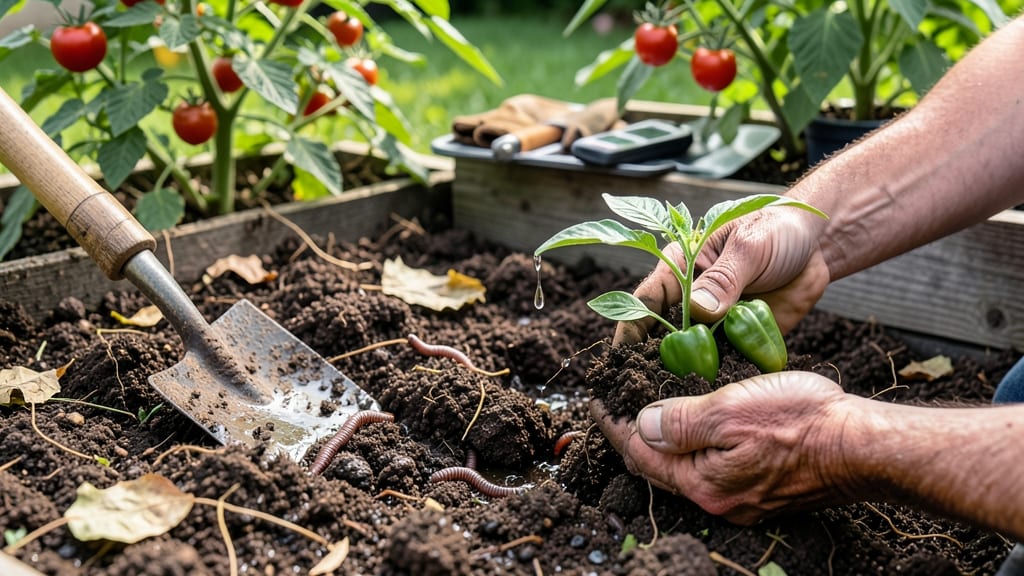
Garden soil is used as a nutrient-rich growing medium that supports root development, retains moisture, and provides essential minerals for healthy plant growth while improving drainage and aeration in garden beds and containers.
Garden soil serves as the foundation for thriving plants by creating an ideal environment where roots can spread and access vital nutrients. 🌱 The right mix of organic matter, minerals, and microorganisms helps regulate moisture levels while preventing waterlogging—critical for both vegetables and ornamental plants.
Unlike sterile potting mixes, garden soil naturally evolves over time, becoming more fertile as it breaks down plant debris and supports beneficial microbial life.
For container gardening, I always recommend blending garden soil with compost to boost nutrient density, especially for heavy feeders like tomatoes or peppers.
The key difference between garden soil and topsoil lies in its organic content—garden soil is specifically amended to support plant life, while topsoil often lacks the microbial activity needed for optimal growth.
Testing your soil's pH and adjusting with lime or sulfur can make a world of difference in how well your plants perform.
💡 In This Article
- How Garden Soil Supports Plant Nutrition and Root Health
- Best Practices for Using Garden Soil in Landscaping Projects
How garden soil supports plant nutrition and root health
Garden soil acts like a living ecosystem that nourishes plants through a perfect balance of organic matter, minerals, and microbial activity.
The organic components—like decomposed leaves, compost, and plant residues—provide essential nutrients such as nitrogen, phosphorus, and potassium, which are the building blocks for strong stems, vibrant foliage, and abundant blooms.
For example, compost alone can contain up to 5% nitrogen by weight, a critical nutrient for leafy greens like lettuce or spinach, while phosphorus promotes root development and flowering in plants like roses or tomatoes.
The texture of garden soil plays a crucial role in how well roots can access both water and oxygen. Loamy soil, often considered ideal, combines the best of sandy and clay textures—it drains well like sand but retains moisture and nutrients like clay.
Sandy soil, with its large particles, drains too quickly and may require frequent watering, while clay soil can become compacted, restricting root growth and oxygen flow. 🌱 A well-amended garden soil typically contains 40-60% mineral particles, 25-30% water, 20-30% air, and 5-10% organic matter, creating the perfect balance for most plants.
Microorganisms in garden soil—such as bacteria, fungi, and earthworms—break down organic matter into forms plants can absorb. These tiny workers also help suppress harmful pathogens and improve soil structure by creating channels that enhance aeration.
For instance, a single teaspoon of healthy garden soil can contain billions of bacteria, which decompose organic material and release nutrients like ammonium and nitrate that plants can use immediately. Without this microbial activity, even nutrient-rich soil would fail to support robust plant growth.
The pH level of garden soil determines which nutrients are available to plants. Most vegetables thrive in slightly acidic to neutral soil (pH 6.0-7.0), while blueberries and azaleas prefer more acidic conditions (pH 4.5-5.5).
Testing your soil's pH is essential because extreme pH levels can lock out critical nutrients—like phosphorus becoming unavailable in highly alkaline soils. For example, tomatoes grown in soil with a pH above 7.5 may develop deficiencies in iron or manganese, even if the soil appears rich in these minerals.
Another key function of garden soil is its ability to regulate temperature. The organic matter and moisture content act as insulators, protecting plant roots from extreme heat or cold.
During summer, garden soil can stay 10-15°F cooler at the surface compared to bare ground, while in winter, it retains heat better than sandy or rocky soils.
This temperature stability is particularly important for tender plants like basil or peppers, which can suffer root damage if exposed to sudden temperature fluctuations.
For container gardening, garden soil must be blended with other materials to prevent compaction and improve drainage. A typical mix might include 60% garden soil, 30% compost, and 10% perlite or vermiculite to enhance aeration.
This combination ensures that roots have access to both water and oxygen while preventing the soil from becoming waterlogged—a common issue in pots where drainage is limited.