
Watering
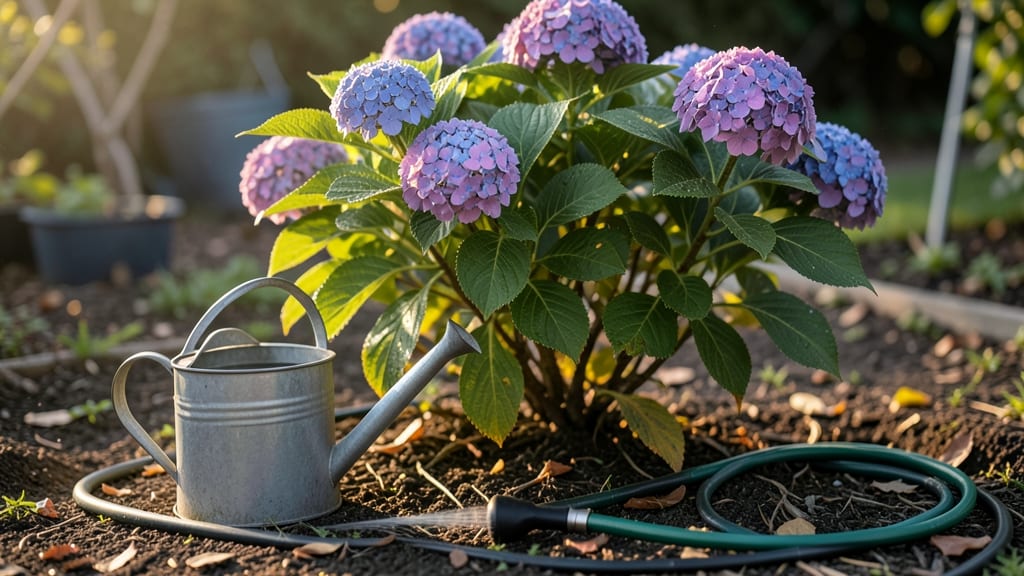
Watering your garden in the morning or evening makes a surprising difference in how your 🌱 plants grow—and which timing could be wasting your water.
Struggling to decide whether morning or evening watering is best? The timing of your watering routine can make the difference between thriving plants and wasted effort—here’s what science says.
Morning watering lets roots soak up moisture before the heat, while evening sessions can reduce evaporation but may invite fungal problems. The best choice depends on your climate, plant types, and even the time of year.
Below, I break down the science-backed pros and cons, plus actionable tips to optimize your schedule for lush, healthy growth—no guesswork required.
Morning vs evening watering: how climate and plant type affect growth
The debate over morning vs. evening watering isn’t just about convenience—it’s about plant health, water efficiency, and disease prevention. In my USDA Zone 6a garden, I’ve seen firsthand how a simple shift in timing can transform struggling plants into thriving ones.
The key lies in understanding how climate, soil type, and plant biology interact with your watering schedule. Let’s break down the science so you can make the best choice for your garden.
Most gardeners assume evening watering keeps plants hydrated overnight, but this can backfire in humid climates by promoting fungal diseases like powdery mildew. Meanwhile, morning watering allows foliage to dry quickly, reducing pest and disease risks.
However, in arid regions, evening watering might be the smarter move to combat rapid evaporation during scorching days. The truth? There’s no one-size-fits-all answer—it depends on your local climate, plant types, and even soil composition.
| Factor | Morning Watering (6-9 AM) | Evening Watering (6-9 PM) |
|---|---|---|
| Evaporation Rate | High (sun heats soil) | Low (cooler temps) |
| Fungal Risk | Low (foliage dries fast) | High (moisture lingers) |
| Root Development | Encouraged (deep absorption) | Surface moisture only |
| Best For Climates | Humid, temperate | Arid, hot |
| Plant Types | Vegetables, flowers, herbs | Succulents, cacti, drought-tolerant plants |
In humid climates like Zone 7 or 8, I always opt for morning watering between 6-9 AM. This gives plants a full day to dry out, which is critical for preventing powdery mildew on my roses and tomatoes.
The 6-9 AM window also aligns with nature’s rhythm—dew naturally evaporates by mid-morning, mimicking what happens in the wild. Plus, watering early means you’re not competing with competing weeds that soak up moisture before your plants get a chance.
For drought-prone areas or desert gardens, evening watering becomes the smarter strategy. In my friend’s Zone 9 garden, she waters at 6 PM to preserve moisture in the sandy soil. The cooler temps reduce evaporation by up to 30%, meaning less water waste.
This works especially well for succulents and cacti, which store water efficiently but need deep hydration when it’s available. Just remember: never water after sunset if your area has high humidity—that’s when fungal spores thrive.
Your plant types also dictate the best time. Leafy greens like lettuce and spinach benefit from morning watering because their broad leaves dry quickly, reducing rot risks. Meanwhile, deep-rooted plants like carrots or asparagus can handle evening watering better—they absorb moisture slowly over time.
Even herbs like basil and cilantro prefer morning hydration to prevent leaf scorch from sitting water during hot afternoons.
Don’t overlook soil type either. Clay soils hold moisture longer, so evening watering might lead to root rot. In contrast, sandy soils drain fast, making morning watering ideal to ensure roots get enough.
I test my soil’s moisture by sticking my finger 2 inches deep—if it’s dry, it’s time to water, regardless of the time of day. This simple check beats guessing and saves water long-term.
One common mistake I see is watering at peak sun hours (10 AM–4 PM). This causes leaf burn as water droplets act like magnifying glasses, focusing sunlight onto foliage. Instead, aim for early morning or late evening, when the sun is lower.
Pro tip: Use a soaker hose or drip irrigation to deliver water directly to roots, minimizing waste and evaporation regardless of timing.
If you’re still unsure, start with a two-week experiment. Water half your garden in the morning and the other half in the evening, keeping all other conditions identical. Track leaf health, growth rate, and water usage.
You’ll quickly see which method works best for your specific microclimate and plant mix. For me, the results were clear: my tomatoes thrived with morning watering, while my succulents needed evening hydration to survive the summer heat.
Ultimately, the best watering time is the one that aligns with your plants’ needs and local conditions. Whether you choose morning or evening, consistency is key—plants prefer <
Best watering times for specific plants: a science-backed guide
Not all plants thrive on the same watering schedule—some love the crisp morning air, while others prefer the cooler evenings. Your tomatoes and peppers might need morning hydration to prevent fungal diseases, but your succulents and lavender could suffer from evening moisture.
Let’s break down the best times to water based on plant type and biological needs.
The key to effective watering lies in understanding how each plant absorbs moisture and its susceptibility to stress. For example, leafy greens like lettuce and spinach need consistent moisture to stay crisp, while root vegetables like carrots and beets benefit from deep, infrequent watering.
Even the time of day matters—morning watering reduces evaporation and fungal risks, while evening watering can help plants recover from daytime heat.
Here’s a quick reference for optimal watering times based on plant categories, including moisture retention tips to keep your garden thriving:
| Plant Type | Best Watering Time | Frequency | Moisture Tip |
|---|---|---|---|
| Vegetables (Tomatoes, Peppers, Cucumbers) | Morning (before 10 AM) | Every 2-3 days (deep water) | Avoid wetting leaves to prevent blight |
| Leafy Greens (Lettuce, Spinach, Kale) | Evening (after sunset) | Daily (light watering) | Keep soil consistently moist |
| Herbs (Basil, Mint, Parsley) | Morning (early) | Every 2-4 days | Water at soil level, not foliage |
| Flowers (Roses, Lavender, Petunias) | Morning or Evening | Every 3-5 days | Deep water at base, avoid petals |
| Succulents & Cacti (Aloe, Jade, Snake Plant) | Morning (infrequent) | Every 2-3 weeks | Let soil dry completely between waterings |
For vegetables like tomatoes and peppers, morning watering is ideal because it allows foliage to dry quickly, reducing the risk of fungal diseases like early blight. Watering in the evening can trap moisture on leaves, creating a damp environment that encourages mold.
Aim to water at the base of the plant and avoid wetting the leaves whenever possible.
Herbs like basil and mint also prefer morning hydration. These plants are sensitive to overwatering, so allowing the soil to dry slightly between waterings prevents root rot.
If you must water in the evening, do so early enough for the foliage to dry before nightfall. Succulents, on the other hand, thrive on neglect—water them sparingly in the morning to mimic their natural desert conditions.
Regional climate plays a huge role in watering schedules. In hot, dry climates, like the Southwest U.S., morning watering is a must to minimize evaporation. In humid regions, like the Southeast, evening watering might be safer to avoid fungal issues.
Always adjust your schedule based on weather—droughts call for deeper watering, while rainy seasons require less frequent hydration.
Pro tip: Use a moisture meter or the "finger test" to check soil moisture before watering. Stick your finger an inch into the soil—if it feels dry, it’s time to hydrate. This simple trick helps you avoid overwatering or underwatering, no matter the plant type or time of day.