
Landscaping
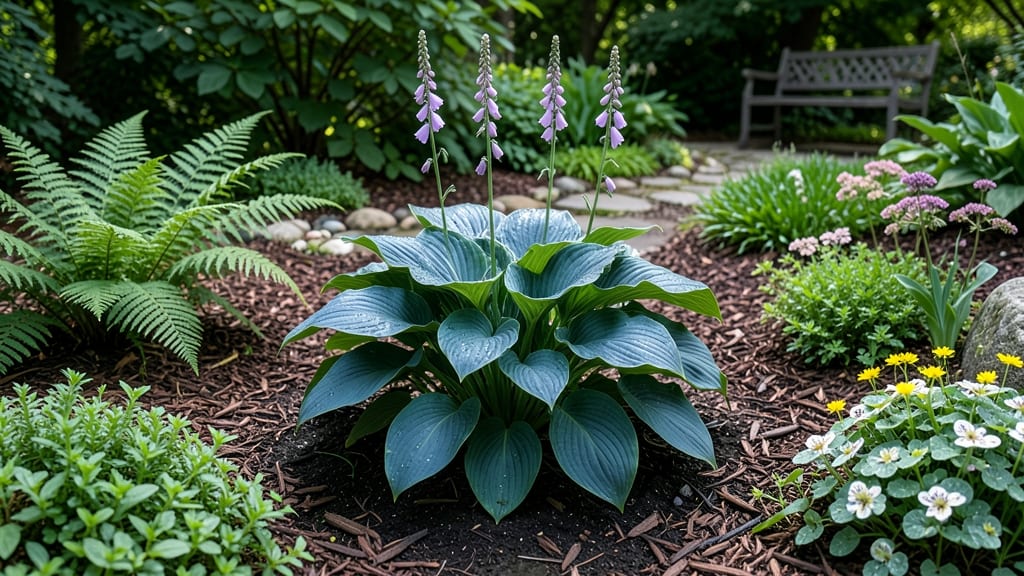
Zone 6 shade garden ideas can turn even the darkest corners into a vibrant, low-maintenance oasis with the right plant choices and design tricks.
Struggling to create a vibrant garden in Zone 6’s partial shade? You’re not alone—many gardeners assume dark corners mean dull landscapes. But the right shade-tolerant plants can transform your gloomiest spots into lush, thriving havens with minimal sunlight.
From hostas and ferns to astilbes and impatiens, there are plenty of hardy perennials and annuals that thrive in 3–6 hours of indirect light. The key is layering plants by height, texture, and bloom time to create depth and year-round interest—without overcrowding or poor drainage mistakes.
In this guide, you’ll discover top plant picks, soil prep tips, and seasonal care strategies to maximize beauty in low-light conditions. Ready to bring life to your shade garden?
 Best Window Placement
Top 10 shade-loving plants that flourish in Zone 6’s partial light
Zone 6 gardeners often face the challenge of transforming shady corners into vibrant spaces. With 3–6 hours of indirect sunlight, these areas can still support a thriving garden—you just need the right shade-tolerant plants.
Whether you're working with deep shade under trees or dappled light from nearby structures, these perennials, annuals, and ground covers will bring life to your garden with minimal sunlight.
I’ve selected plants that not only thrive in partial shade but also offer year-round interest, from lush foliage to delicate blooms. Many of these varieties are low-maintenance and disease-resistant, making them perfect for busy gardeners.
Let’s dive into my top 10 picks, each with care tips tailored to Zone 6’s climate.
Summary Table: Here’s a quick reference for the best shade-loving plants in Zone 6, including their sunlight needs, mature size, and care essentials.
| Plant Name | Sunlight Needs | Mature Size | Bloom Time | Care Tips |
|---|---|---|---|---|
| Hostas | 3–6 hrs indirect light | 1–3 ft tall, 1–2 ft wide | Summer | Keep soil moist; divide every 3–4 years |
| Astilbes | 3–6 hrs indirect light | 1–4 ft tall, 1–2 ft wide | Summer–Fall | Deadhead spent blooms; rich, moist soil |
| Ferns (e.g., Maidenhair) | 2–4 hrs indirect light | 1–3 ft tall, 1–2 ft wide | Year-round foliage | Keep soil consistently moist; mulch heavily |
| Impatiens | 2–4 hrs indirect light | 6–18 in tall, 1–2 ft wide | Summer–Fall | Annual; pinch back for bushier growth |
| Hellebores (Lenten Rose) | 2–4 hrs indirect light | 1–2 ft tall, 1–2 ft wide | Late Winter–Spring | Drought-tolerant once established; deadhead spent blooms |
| Lungwort (Pulmonaria) | 3–6 hrs indirect light | 1–2 ft tall, 1–2 ft wide | Spring | Tolerates dry shade; divide every 3–4 years |
| Coral Bells (Heuchera) | 3–6 hrs indirect light | 1–2 ft tall, 1–2 ft wide | Summer (foliage year-round) | Well-draining soil; prune in early spring |