
Landscaping
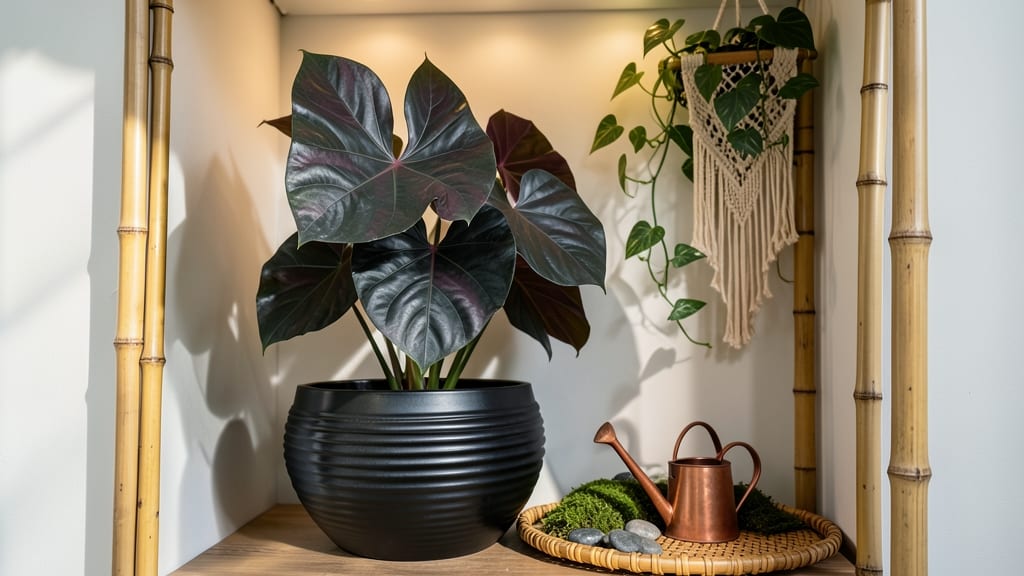
Alocasia garden ideas can turn even a modest space into a dramatic tropical retreat with its bold, elephant-ear leaves that thrive in partial shade.
Picture this: a shady corner bursting with vibrant foliage, where every leaf feels like a splash of living art. The trick?
Pairing Alocasia 🌿 with the right companions—think ferns, calatheas, or even a splash of purple from a nearby begonia—to create layers of texture and color that keep your garden exciting year-round.
Whether you’re working with a small balcony container or a sprawling backyard, these plants adapt beautifully to different spaces. In frost-free zones, they’ll grow tall and lush; in cooler climates, container gardening keeps them safe and stylish.
The key is balancing their moisture-loving roots with the right soil and light, so they stay vibrant without fuss.
Ready to dive in? I’ll show you how to mix varieties, design for impact, and keep your Alocasia garden thriving—no green thumb required.
Creative Alocasia planting layouts for different garden spaces
Alocasia plants bring dramatic tropical flair to any garden space, whether you're working with a shady courtyard, a sun-dappled patio, or a full-sun backyard.
Their bold, elephant-ear leaves create instant focal points, but their placement matters—too crowded, and they compete for nutrients; too sparse, and they lose visual impact. The key is balancing height layering, spacing, and companion plants to maximize their stunning foliage year-round.
Start by assessing your garden’s light conditions—most Alocasia varieties thrive in partial shade but tolerate bright indirect light. In low-light areas, opt for Alocasia polly or Alocasia zebrina, which handle dimmer spots better.
For sunnier spots, choose Alocasia reginula or Alocasia macrorrhizos, though you’ll need to protect their leaves from harsh afternoon rays with shade cloth or nearby trees.
Here’s how to tailor your Alocasia planting layout to your space, complete with spacing guidelines, height pairings, and companion plants to elevate the drama.
| Garden Space | Best Alocasia Varieties | Spacing | Height Layering | Companion Plants |
|---|---|---|---|---|
| Shady Garden Corners | Alocasia polly, Alocasia zebrina | 18-24 inches apart | Pair with ferns (3-4 ft) and Calatheas (2-3 ft) | Hostas, Astilbes, Begonias |
| Tropical Backyard Borders | Alocasia reginula, Alocasia macrorrhizos | 30-36 inches apart | Layer with Philodendrons (vining) and Dracaenas (4-5 ft) | Bird of Paradise, Canna lilies, Banana plants |
| Container Gardens | Alocasia 'Black Stem,' Alocasia 'Portora' | 1 plant per 12-inch pot | Top with trailing Pothos or Fittonia | Peperomia, Fittonia, Moss |
| Indoor Jungle Rooms | Alocasia 'Freddie,' Alocasia 'Dracunculus' | 12-18 inches apart | Group with Monstera deliciosa (6-8 ft) | Snake plants, ZZ plants, Peace lilies |
| Water Feature Edges | Alocasia 'Giant Taro,' Alocasia 'Cucullata' | 36-48 inches apart | Surround with Papyrus (5-6 ft) and Iris | Water lilies, Lotus, Cattails |
For shady garden corners, create a lush understory by planting Alocasia polly 18-24 inches apart, surrounded by hostas and ferns for texture. Use mulch to retain moisture—Alocasia roots thrive in consistently damp soil but hate soggy conditions.
Add light-colored gravel around the base to reflect light upward and enhance leaf vibrancy.
In tropical-themed backyards, go bold with Alocasia reginula as a border plant, spacing them 30-36 inches apart to allow their large leaves to fan out dramatically. Pair them with bird of paradise and canna lilies for a jungle-like vibe.
To protect leaves from wind damage, plant them near a sheltered fence or wall where they can grow unobstructed.
Container gardens are perfect for small spaces—opt for Alocasia 'Black Stem' in 12-inch pots and pair it with trailing Fittonia or Peperomia to create a mini tropical oasis. Use a well-draining mix with orchid bark and perlite to prevent root rot. Place containers near east-facing windows for gentle morning light that won’t scorch their leaves.
If you’re designing an indoor jungle room, group Alocasia 'Freddie' with Monstera deliciosa and ZZ plants for a layered, high-impact display. Use humidity trays beneath pots to mimic their tropical habitat, and mist leaves daily to keep them lush.
Avoid placing them near drafty windows or heating vents, which can cause leaf browning from temperature fluctuations.
For water feature edges, Alocasia 'Giant Taro' thrives in moist, rich soil—plant it 36-48 inches from the water’s edge to prevent roots from sitting in standing water. Combine it with Papyrus and Iris for a natural, aquatic feel.
The reflective surface of the water will amplify their glossy leaves, creating a mirror-like effect that’s pure magic at sunset.
Pro tip: Rotate your containers every few weeks to ensure even light exposure—Alocasia leaves grow toward the light, and uneven growth can make them look lopsided.
If you notice yellowing leaves, it’s often a sign of overwatering or low humidity; adjust your care routine immediately to keep them thriving.
Best Alocasia varieties for stunning foliage contrasts
Creating a stunning foliage display with Alocasia starts by selecting varieties that complement each other in color, texture, and size. My top picks include Alocasia zebrina with its bold zebra-striped leaves, Alocasia polly for compact elegance, and Alocasia reginula for delicate, lace-like patterns.
These varieties create visual harmony when paired thoughtfully.
For maximum impact, mix large-leafed varieties like Alocasia sanderiana with smaller ones like Alocasia odora. This creates dynamic height variations while maintaining a cohesive tropical aesthetic. Pairing them with Calatheas or Philodendrons adds depth and contrast to your garden design.
| Variety | Leaf Features | Size Range | Best Pairings |
|---|---|---|---|
| Alocasia zebrina | Black/purple veins on green leaves | 2-3 ft tall | Calathea orbifolia, Philodendron hederaceum |
| Alocasia polly | Small, heart-shaped green leaves | 1-2 ft tall | Fittonia albivenis, Syngonium podophyllum |
| Alocasia reginula | Delicate, lace-like purple leaves | 1.5-2.5 ft tall | Nephrolepis exaltata, Peperomia caperata |
| Alocasia sanderiana | Massive, glossy green leaves | 3-5 ft tall | Monstera deliciosa, Anthurium clarinervium |
| Alocasia odora | Fragrant, arrowhead-shaped leaves | 2-3 ft tall | Hoya carnosa, Epipremnum aureum |
To create visual contrast, group dark-leaved varieties like Alocasia zebrina with lighter ones like Alocasia polly. This contrast makes each plant stand out while maintaining a unified tropical theme. For textural variety, combine broad-leaved types with finer foliage like ferns or Fittonia.
In container gardens, use tiered pots to showcase different Alocasia heights. Place taller varieties like Alocasia sanderiana in the back and smaller ones like Alocasia odora in front. This creates depth perception while maximizing your space efficiently.
For seasonal adaptability, pair Alocasias with evergreen tropical plants like Calatheas or Philodendrons. These combinations ensure your garden remains visually exciting year-round, even during cooler months when growth slows.
Don’t forget to rotate your containers occasionally to ensure even light exposure. This helps maintain symmetrical growth and keeps your Alocasia display looking its best throughout the seasons.