
Tools
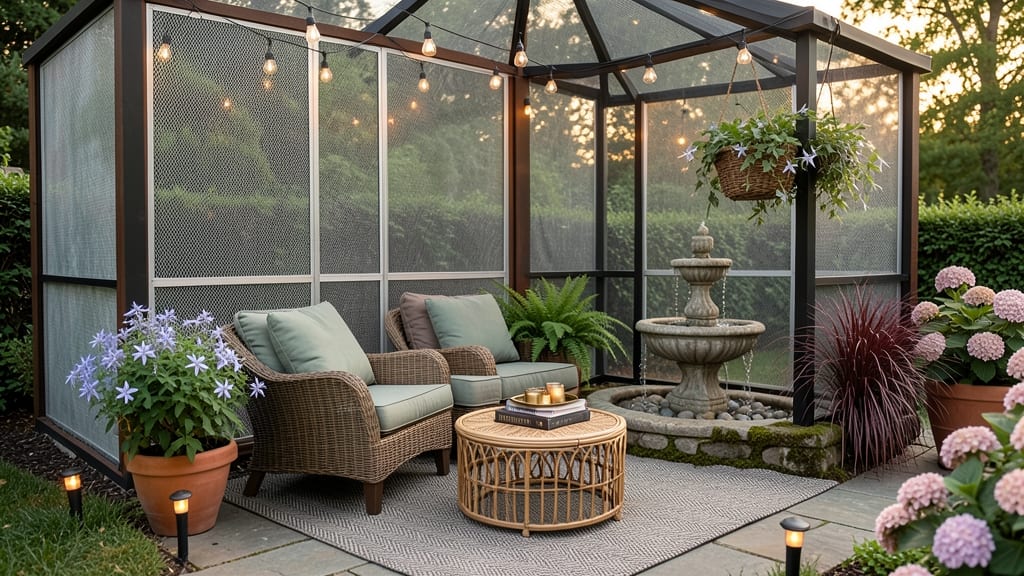
A screened-in garden combines the best of indoor comfort and outdoor beauty, shielding you from pests, wind, and prying eyes while keeping nature’s charm intact.
Picture this: You’re sipping your morning coffee surrounded by lush greenery, birds chirping just outside your mesh barrier, and no bugs to swat away. That’s the magic of a screened-in garden—it’s like having a private oasis without sacrificing airflow or sunlight.
Beyond privacy, these spaces are perfect for year-round gardening, whether you’re growing delicate flowers or hardy shrubs like bamboo or arborvitae, which thrive in enclosed areas. The right plants can transform your screened space into a thriving, low-maintenance retreat.
In this guide, I’ll share five top privacy plants that grow fast, need minimal fuss, and keep your screened garden looking stunning no matter the season. Let’s get started!
How to choose fast-growing privacy plants for screened gardens
A screened-in garden transforms your outdoor space into a private oasis while allowing airflow and natural light. The key to success lies in selecting fast-growing, dense plants that thrive in enclosed conditions. These plants should provide instant privacy while requiring minimal maintenance.
Whether you prefer evergreen year-round coverage or deciduous seasonal beauty, the right choices will make your screened garden feel like a secluded retreat.
When choosing plants, prioritize growth rate, foliage density, and adaptability to enclosed spaces. Fast-growing varieties like bamboo, arborvitae, and privet can create a lush screen in just a few seasons. Consider your sunlight exposure—some plants thrive in partial shade, while others need full sun.
Additionally, think about seasonal performance: evergreens offer year-round privacy, while deciduous plants may provide seasonal color changes.
Here’s a quick comparison of top fast-growing privacy plants tailored for screened gardens, including their growth speed, sunlight needs, and maintenance levels to help you make the best choice.
| Plant | Growth Rate | Sunlight Needs | Maintenance | Seasonal Performance |
|---|---|---|---|---|
| Bamboo (Clumping) | 1-3 ft/year | Partial Sun to Full Sun | Low (clumping types) | Evergreen |
| Arborvitae (Thuja) | 1-2 ft/year | Full Sun to Partial Shade | Low | Evergreen |
| Privet (Ligustrum) | 2-3 ft/year | Full Sun to Partial Shade | Medium | Deciduous (some evergreen varieties) |
| Leyland Cypress | 3-5 ft/year | Full Sun | Low | Evergreen |
| Hornbeam (Carpinus) | 1-2 ft/year | Partial Shade to Full Sun | Medium | Deciduous |
For instant privacy, bamboo and Leyland cypress are top choices due to their rapid growth and dense foliage. If you prefer lower maintenance, arborvitae is a classic evergreen that thrives in most screened garden conditions.
Meanwhile, privet and hornbeam offer versatility with options for both evergreen and deciduous varieties, depending on your climate and design preferences.
Sunlight is a critical factor in your screened garden. Plants like arborvitae and Leyland cypress thrive in full sun, while hornbeam and some bamboo varieties can tolerate partial shade. If your screened area receives limited sunlight, opt for shade-tolerant evergreens like dwarf pittosporum or inkberry holly to maintain year-round coverage.
Maintenance levels vary widely among privacy plants. Low-maintenance options like arborvitae and bamboo require minimal pruning, while privet and hornbeam may need occasional trimming to maintain shape. Plan for seasonal tasks like pruning in late winter or early spring to encourage healthy growth and dense foliage.
Consider seasonal performance when selecting plants. Evergreens like arborvitae and Leyland cypress provide year-round privacy, while deciduous plants like hornbeam offer seasonal interest with autumn foliage. Mixing both types can create a dynamic screened garden that feels lush in every season.
To maximize privacy quickly, layer your plants with taller varieties in the back and shorter ones in front. For example, pair Leyland cypress (15-20 ft tall) with dwarf arborvitae (3-6 ft tall) to create a gradual privacy screen.
This approach also enhances visual appeal and ensures your garden remains functional and beautiful as the plants mature.
Before planting, test your soil’s drainage and pH—most privacy plants prefer well-draining, slightly acidic soil.
Amend heavy clay soil with compost or sand to improve drainage. Mulch around the base of your plants to retain moisture, suppress weeds, and regulate soil temperature, which is especially important in enclosed spaces where conditions can shift quickly.
With the right fast-growing privacy plants, your screened garden will transform into a serene, secluded retreat in no time. Start with one or two varieties to test what thrives best in your space, then expand as you gain confidence.
Soon, you’ll enjoy the perfect blend of privacy, beauty, and low maintenance—all while keeping your outdoor space connected to nature.
Top 5 evergreen plants that thrive in screened garden conditions
A screened-in garden creates a perfect microclimate where evergreen plants can flourish year-round. These plants provide privacy and structure without needing seasonal replacements. The key is selecting low-maintenance varieties that tolerate partial shade and enclosed spaces while thriving in most climates.
Evergreens are ideal because they maintain their foliage through winter, ensuring your screened garden stays lush and private even during colder months. Plus, their dense growth habits block wind, noise, and prying eyes while allowing airflow. Let’s explore the top 5 evergreen plants that excel in these conditions.
🌿 Best Evergreen Plants for Screened Gardens
-
1. Emerald Green Arborvitae
📏 Mature Height: 12-15 ft | 🌡️ Hardiness: Zones 3-8 | ✂️ Pruning: Minimal -
2. Green Giant Arborvitae
📏 Mature Height: 30-40 ft | 🌡️ Hardiness: Zones 5-9 | ✂️ Pruning: Annual tip trimming -
3. Dwarf Japanese Garden Juniper
📏 Mature Height: 2-3 ft | 🌡️ Hardiness: Zones 4-9 | ✂️ Pruning: Optional shaping -
4. Boxwood (Buxus)
📏 Mature Height: 3-6 ft | 🌡️ Hardiness: Zones 5-9 | ✂️ Pruning: Regular for shape -
5. Clumping Bamboo (e.g., Fargesia)
📏 Mature Height: 6-12 ft | 🌡️ Hardiness: Zones 5-9 | ✂️ Pruning: Remove dead canes
For quick privacy, Green Giant Arborvitae is my top pick—it grows 3-5 feet per year and forms a dense, wind-resistant screen. If you prefer a lower-profile option, Boxwood or Dwarf Juniper create elegant, structured borders that work beautifully in smaller screened spaces.
When planting, space tall evergreens like arborvitae 3-5 feet apart for a solid barrier. For medium-height plants like boxwood, 2-3 feet apart ensures full coverage. Always plant in well-draining soil and water deeply after planting to establish roots—this is critical for long-term health in enclosed areas.
Evergreens in screened gardens need moderate watering—about 1-2 inches per week during growing seasons. Mulch around the base to retain moisture and suppress weeds, which is especially helpful in shaded or enclosed spaces where airflow is limited.
Fertilize lightly in spring and fall with a balanced 10-10-10 formula to encourage steady growth.
With these evergreen staples, your screened garden will offer year-round privacy, low maintenance, and a serene retreat from the elements. The key is choosing plants that match your space’s size and sunlight conditions—then sit back and enjoy the view! 🌳