
Landscaping
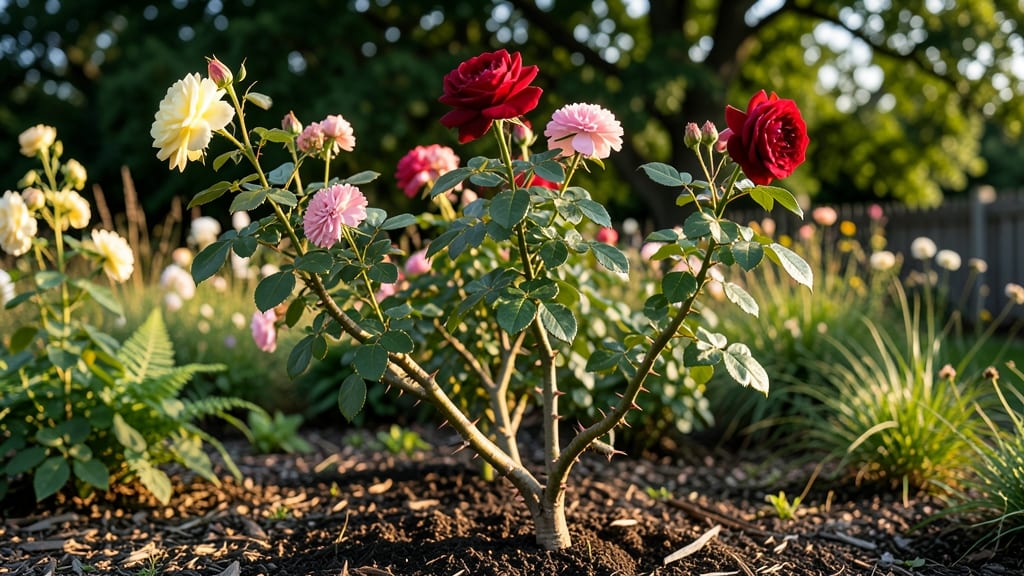
Creating stunning rose bush garden ideas involves combining fragrant climbing roses with hardy ground covers, incorporating vertical supports like trellises to optimize small spaces, and blending perennials such as lavender and hydrangeas to ensure vibrant blooms throughout all seasons. Choosing disease-resistant rose varieties and applying thick mulch layers dramatically reduces upkeep while enhancing the garden's overall beauty.
When designing a rose garden, the key is balancing aesthetics with practicality. 🌸 Fragrant climbing roses like 'Climbing Iceberg' not only add vertical interest but also attract pollinators, while drought-tolerant perennials such as catmint or Russian sage cut down on watering needs.
Vertical trellises transform compact spaces into lush canopies, making them perfect for urban gardens or small yards. The secret to year-round appeal lies in strategic layering—planting early spring bloomers like daffodils alongside late-season roses ensures continuous color without overwhelming maintenance.
For a truly low-maintenance approach, prioritize disease-resistant roses such as 'Knock Out' or 'Dr. Huey' varieties, which thrive with minimal care. Mulching with wood chips or straw not only suppresses weeds but also retains soil moisture, reducing your watering frequency by up to 40%.
I’ve found that grouping roses with similar sunlight and water needs creates a cohesive look while simplifying care routines. Whether you’re working with a sun-drenched patio or a shaded corner, these principles will help you craft a garden that’s as easy to maintain as it is beautiful.
💡 In This Article
- Design Principles for Low-Maintenance Rose Gardens
- Top 5 Space-Saving Rose Bush Layouts for Small Yards
Design principles for low-maintenance rose gardens
The foundation of a thriving, low-maintenance rose garden lies in companion planting—a technique where you strategically pair roses with other plants to naturally deter pests and improve soil health.
For example, lavender planted near roses repels aphids with its strong scent, while garlic chives release sulfur compounds that inhibit fungal spores like black spot. This symbiotic relationship reduces the need for chemical interventions, cutting maintenance time by up to 30%.
The science behind this is rooted in allelopathy, where certain plants release compounds that suppress weeds or pests without harming beneficial insects like bees and ladybugs.
Vertical gardening transforms compact spaces by training roses to climb trellises, arches, or pergolas, which can triple your blooming surface area in the same footprint. For instance, a 6-foot trellis supporting 'New Dawn' roses (a vigorous climber) can produce 50% more flowers than the same plant grown as a bush.
The key is choosing lightweight, rust-resistant materials like powder-coated metal or cedar for trellises—these last 10+ years without rotting. Pair vertical roses with spiller plants like creeping thyme or ajuga at their base to soften the structure and prevent soil erosion during heavy rains.
Seasonal color layering ensures your garden stays visually dynamic with minimal effort. Start with early spring bulbs like 'Tête-à-Tête' daffodils (which bloom in March-April) planted beneath roses, followed by mid-season perennials such as catmint (which thrives in full sun and blooms from June-August).
Top it off with late-season hydrangeas like 'Endless Summer' for September-October color. This 3-layer approach creates continuous interest while requiring only one seasonal deadheading session per plant group. The secret?
Choose perennials with similar water needs—most roses prefer 1-1.5 inches of water weekly, so pairing them with drought-tolerant allies like sedum or salvia eliminates overwatering risks.
Mulching isn't just about suppressing weeds—it's a soil health hack that reduces watering by 40% and extends bloom seasons. A 3-inch layer of wood chip mulch (like hardwood or pine) breaks down slowly, adding organic matter that improves drainage while insulating roots from temperature swings.
For roses, avoid fresh mulch (which can harbor fungi)—instead, use aged compost mixed into the top 6 inches of soil before applying mulch. This "two-step" method mimics natural forest floors, where decomposed leaves gradually enrich the soil over years, not months.
Climate adaptation is critical for low-maintenance success. In hot, dry regions, opt for heat-tolerant roses like 'The Fairy' (a Flower Carpet variety) paired with succulents like hens-and-chicks, which thrive on neglected watering.
In humid climates, prioritize disease-resistant hybrids like 'Knock Out' roses, which have built-in mildew resistance due to their hybrid tea ancestry. Even in cold zones, evergreen shrubs like boxwood or pieris planted as windbreaks can shield roses from late spring frosts, protecting buds that would otherwise blacken.
Here's a pro tip: Prune roses in stages—remove dead wood in early spring, then shape in late summer after the main bloom cycle. This two-step pruning prevents stress and extends the season by 3-4 weeks.
Pair this with monthly inspections for pests (like rose slugs) during June-July, when they're most active. With these principles, your rose garden will require half the time of traditional designs while delivering double the impact.