
Tools
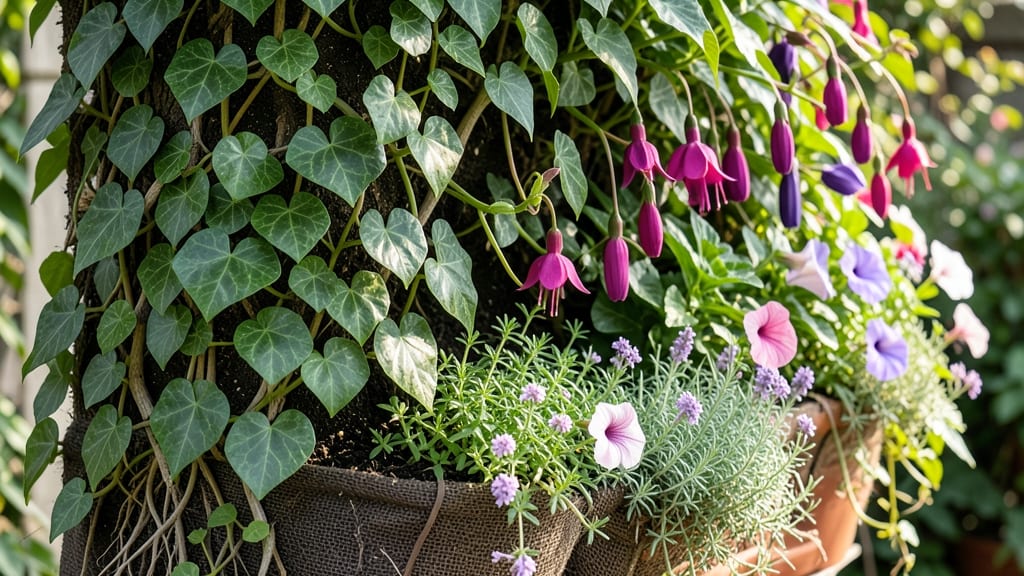
An outdoor wall garden transforms even the smallest balcony or yard into a thriving green space without taking up precious floor room.
Picture this: your morning coffee on the patio, surrounded by fragrant herbs and blooming flowers—all growing vertically along your wall. It’s not just about saving space; it’s about creating a functional, beautiful oasis that fits your lifestyle.
Whether you’re working with a cramped urban balcony or a narrow backyard, vertical gardening opens up endless possibilities. From cascading vines to modular planters, the right setup can turn bare walls into lush, productive gardens that require minimal ground space.
In this guide, I’ll walk you through the best designs, plant pairings, and DIY tips to build a wall garden that’s as practical as it is stunning—so you can enjoy fresh greenery without the footprint.
Best outdoor wall garden designs for small spaces
Small spaces don’t mean small gardens! With the right outdoor wall garden design, you can transform even the tiniest balcony or narrow yard into a thriving green oasis.
The key lies in vertical solutions that maximize growing space without taking up valuable floor area. Whether you're growing herbs, flowers, or vegetables, these designs offer practicality and style.
I’ve tested five of the most effective wall garden layouts over the years, each suited for different space types and gardening goals. From urban balconies to cozy backyards, there’s a perfect vertical solution waiting for you.
Let’s explore the pros, cons, and ideal scenarios for each design to help you choose what works best for your space.
| Design Type | Best For | Materials | Sunlight Needs | Pros | Cons |
|---|---|---|---|---|---|
| Tiered Shelves | Urban balconies, small patios | Cedar wood, metal, or plastic | Partial to full sun | Easy to assemble, customizable levels, great for herbs/veggies | Requires regular watering, limited root depth |
| Hanging Pockets | Balconies, fences, railings | Fabric pockets, coconut coir | Partial to full sun | Lightweight, portable, ideal for trailing plants | Dries out quickly, limited to small plants |
| Modular Panels | Narrow yards, garden walls | Recycled plastic, bamboo, or metal | Partial to full sun | Durable, expandable, good for heavy plants | Higher initial cost, requires secure mounting |
| Trellis Systems | Vertical space along walls/fences | Wood, metal, or PVC | Full sun preferred | Supports climbing plants, adds privacy, long-term growth | Needs sturdy structure, slower initial growth |
| Pallet Gardens | Budget-friendly backyards | Wooden pallets, landscape fabric | Partial to full sun | Low-cost, repurposed materials, great for beginners | Less durable, requires weatherproofing |
Each of these outdoor wall garden designs offers unique advantages depending on your space constraints and gardening goals. For example, tiered shelves are perfect for urban balconies where you need to maximize growing area without taking up floor space.
Their modular nature lets you adjust the number of levels based on your needs, making them ideal for growing herbs, leafy greens, or small vegetables.
If you’re working with a narrow yard or limited wall space, consider modular panels. These systems attach directly to walls or fences and can be expanded as your gardening needs grow.
They’re particularly useful for growing heavier plants like tomatoes or peppers, as they provide more stability than hanging options. Plus, many modular systems come with built-in irrigation, reducing your maintenance workload.
For those who love the idea of climbing plants but lack horizontal space, trellis systems are a game-changer. They’re perfect for growing vining plants like beans, cucumbers, or even decorative flowers like morning glories.
A trellis not only saves space but also adds a touch of elegance and privacy to your outdoor area. Just ensure your trellis is securely mounted to handle the weight of mature plants.
When selecting materials, consider your climate and maintenance preferences. Cedar wood is a classic choice for tiered shelves and trellises due to its natural resistance to rot and insects. For a more modern look, metal or recycled plastic panels offer durability and low maintenance.
If you’re on a budget, wooden pallets can be transformed into rustic yet functional wall gardens with a little creativity and weatherproofing.
Optimizing sunlight is critical for the success of your outdoor wall garden. Most designs work well in partial to full sun, but the placement matters. For example, south-facing walls in the Northern Hemisphere receive the most sunlight, making them ideal for sun-loving plants like tomatoes or succulents.
If your space only gets partial sun, opt for shade-tolerant plants like ferns, pothos, or leafy greens like lettuce.
Don’t overlook the importance of drainage and irrigation in your design. Poor drainage can lead to root rot, while inconsistent watering can stress your plants. Many modular systems and hanging pockets come with built-in drainage holes, but if you’re DIY-ing, ensure your setup includes these features.
For convenience, consider adding a drip irrigation system or self-watering pockets to keep your plants happy with minimal effort.
Start small if you’re new to wall gardening. A single tiered shelf or a few hanging pockets can help you test what works best in your space before committing to larger installations.
Over time, you can expand your vertical garden to include more plants and even incorporate lighting for low-light areas. The beauty of wall gardens is their flexibility—you can adapt them as your needs and skills grow.
With the right design, your small outdoor space can become a vibrant, productive garden that brings joy and fresh produce year-round. Whether you’re growing food, flowers, or foliage, vertical gardening is a rewarding way to make the most of limited space. Happy planting! 🌱
How to choose plants for your outdoor wall garden
Creating a thriving outdoor wall garden starts with selecting the right plants for your space. Since vertical gardens have unique growing conditions, I focus on plants that thrive in shallow root zones while requiring minimal maintenance.
The key is balancing trailing vines, edible herbs, and drought-resistant varieties to maximize both beauty and functionality.
Your wall garden’s success depends on two critical factors: sunlight exposure and water access. Most wall systems have limited soil depth, so I recommend shallow-rooted plants that won’t outgrow their containers. Additionally, grouping plants with similar water needs together ensures efficient irrigation and prevents overwatering or drought stress.
Here’s my curated list of top-performing plants for outdoor wall gardens, organized by category for easy planning:
-
🌿 Trailing Vines (Shallow Roots, Fast Growth)
- Pothos (Epipremnum aureum) – Thrives in low light, needs moderate watering (every 7-10 days)
- English Ivy (Hedera helix) – Prefers partial shade, drought-tolerant once established
- Sweet Potato Vine (Ipomoea batatas) – Loves full sun, water daily in summer
-
🌱 Edible Herbs (Compact, High-Yield)
- Basil (Ocimum basilicum) – Requires 6+ hours of sun, water daily in pots
- Thyme (Thymus vulgaris) – Drought-resistant, needs full sun, water every 5-7 days
- Chives (Allium schoenoprasum) – Tolerates partial shade, water weekly
-
🌵 Drought-Resistant Succulents (Zero Maintenance)
- Sedum (Sedum spp.) – Needs full sun, water every 2-3 weeks
- Echeveria (Echeveria elegans) – Thrives in bright light, water monthly
- Haworthia (Haworthia attenuata) – Ideal for indoor-outdoor walls, water every 4-6 weeks
-
🌸 Flowering Annuals (Seasonal Color)
- Petunias (Petunia spp.) – Loves full sun, water daily in bloom season
- Nasturtiums (Tropaeolum majus) – Edible flowers, needs partial sun, water every 3-4 days
- Begonias (Begonia spp.) – Prefers shade, water every 2-3 days
For maximum efficiency, I pair plants with complementary needs. For example, place thyme and sedum together—they both thrive in dry conditions and full sun. Conversely, group basil and pothos near a drip irrigation system since they need consistent moisture.
When selecting plants, always check your wall garden’s root depth (most systems support only 6-12 inches). Avoid deep-rooted plants like tomatoes or sunflowers, as they’ll struggle in shallow pockets. Instead, opt for varieties that mature under 18 inches tall to prevent overcrowding.
Start with 3-4 of your favorite plants to test what thrives in your microclimate. Once you’ve mastered the basics, expand with companion planting—like pairing marigolds with herbs to deter pests naturally. Happy planting! 🌱