
Tools
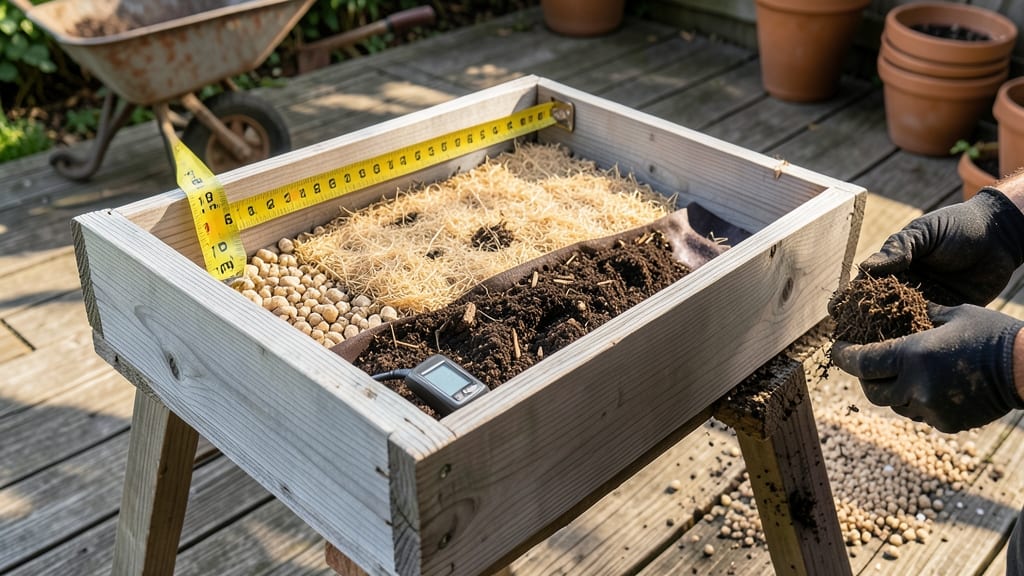
A 12-inch soil depth in your raised garden bed isn’t just a rule—it’s the secret to healthier roots, better drainage, and plants that thrive all season long.
Picture this: you’ve spent hours building the perfect raised bed, only to watch your carrots grow crooked or your tomatoes struggle to support their weight. The fix? Soil depth matters more than you think, and getting it right means the difference between a bountiful harvest and a disappointing one.
Most gardeners assume deeper is always better, but the truth is, 6-12 inches is ideal for most vegetables—carrots, potatoes, and herbs included—while deeper beds (18+ inches) are overkill unless you’re growing deep-rooted perennials.
The key lies in balancing root space, drainage, and soil composition to keep your plants happy without wasting resources.
In this guide, I’ll break down the science behind the 12-inch rule, how to adjust depth for different plants, and the common mistakes that ruin soil health—so you can grow with confidence, not guesswork.
Why 12 inches of soil depth maximizes plant growth and drainage
The 12-inch soil depth in raised garden beds isn’t arbitrary—it’s rooted in science. This depth provides the perfect balance between root development and drainage efficiency, ensuring plants thrive without waterlogging or nutrient starvation.
Shallower beds (6-8 inches) restrict root growth, while deeper beds (18+ inches) can become too compacted or costly to maintain. Let’s break down why 12 inches is the sweet spot for most vegetables and herbs.
Plants need adequate root space to access water, nutrients, and oxygen. A 12-inch depth allows roots to spread horizontally and vertically, reducing competition for resources. For example, tomatoes and carrots develop deeper roots, while leafy greens like lettuce benefit from a looser, shallower layer.
This depth also prevents the soil from drying out too quickly or becoming waterlogged during heavy rains.
Drainage is another critical factor. A 12-inch bed ensures excess water drains away from roots, preventing root rot and anaerobic conditions. Shallower beds (6-8 inches) often suffer from poor drainage, especially in clay-heavy soils, while deeper beds (18+ inches) can become too dense, slowing water movement. The ideal soil structure in a 12-inch bed—rich in organic matter and well-aerated—strikes the perfect balance.
Here’s how soil depth impacts plant yields. Studies show that vegetables grown in 12-inch beds produce 20-30% more than those in 6-inch beds due to better root development. For instance, potatoes and sweet potatoes need deeper soil to form tubers, while radishes and green onions thrive in shallower layers.
The 12-inch rule accommodates both shallow and deep-rooted plants, making it versatile for mixed gardens.
One common misconception is that deeper soil always means better growth. While deep-rooted plants like asparagus or artichokes benefit from extra depth, most annual vegetables don’t need more than 12 inches.
Over-deepening beds can lead to soil compaction, reduced aeration, and higher costs for materials like wood or compost. The key is soil quality over quantity—a well-amended 12-inch bed outperforms a poorly maintained 18-inch bed.
For drainage efficiency, a 12-inch bed allows water to permeate through the soil profile without pooling at the bottom. This is especially important in containers or raised beds, where water can escape more quickly than in-ground gardens.
To improve drainage further, I recommend adding a 1-2 inch layer of gravel or perlite at the bottom of the bed before filling with soil. This creates a drainage layer without restricting root growth.
Another advantage of the 12-inch depth is its adaptability to amendments and layering. You can customize the soil profile by adding compost, worm castings, or sand to improve texture and fertility.
For example, I often mix 50% topsoil, 30% compost, and 20% perlite to create a loose, nutrient-rich medium. This approach ensures optimal aeration and moisture retention throughout the growing season.
If you’re working with clay-heavy soil, a 12-inch bed helps mitigate drainage issues by allowing water to move downward more freely. For sandy soils, the depth helps retain moisture longer, reducing the need for frequent watering.
The ideal soil texture in a raised bed should resemble a well-draining, crumbly loam—neither too dense nor too loose. You can test your soil’s drainage by filling a jar with soil, adding water, and observing how quickly it drains.
For container gardening, a 12-inch depth is still ideal, though smaller pots may require shallower depths (6-8 inches) for herbs and greens. The principle remains the same: provide enough space for roots to grow while ensuring proper drainage.
If you’re repurposing materials like wooden crates or whiskey barrels, aim for at least 12 inches of fill depth to accommodate most vegetables. Smaller containers work well for shallow-rooted plants like basil or thyme.
In summary, the 12-inch soil depth in raised garden beds maximizes plant growth, drainage, and nutrient availability while remaining practical for most gardeners. Whether you’re growing tomatoes, carrots, or herbs, this depth provides the foundation for a productive and healthy garden.
For deep-rooted perennials, you can always extend the depth, but for annuals, 12 inches is the gold standard.
Adjusting soil depth for different plants: root-space requirements by vegetable type
Not all plants need the same soil depth in your raised garden bed. While the 12-inch rule works for most vegetables, some crops—like carrots or potatoes—require deeper soil to thrive, while herbs like basil or thyme can thrive in shallower layers.
Understanding these differences prevents stunted growth or wasted space.
Deep-rooted perennials, such as asparagus or rhubarb, need 18+ inches of soil to establish strong root systems, while shallow-rooted leafy greens like lettuce or spinach can flourish in just 6-8 inches.
The key is matching your bed’s depth to the plants you’re growing, not just following a one-size-fits-all approach.
| Plant Type | Ideal Soil Depth | Notes |
|---|---|---|
| Root Vegetables (Carrots, Beets, Radishes) | 12-18 inches | Loose, stone-free soil prevents forking. |
| Tubers (Potatoes, Sweet Potatoes) | 12-24 inches | Deeper beds encourage larger yields. |
| Herbs (Basil, Thyme, Parsley) | 6-10 inches | Well-draining soil prevents root rot. |
| Deep-Rooted Perennials (Asparagus, Rhubarb) | 18-24 inches | Establishes strong roots for longevity. |
| Leafy Greens (Lettuce, Spinach) | 6-8 inches | Shallow roots; prioritize organic matter. |
| Tomatoes, Peppers, Cucumbers | 12-18 inches | Supports sturdy stems and heavy fruit. |
For root vegetables like carrots or beets, aim for 12-18 inches of loose, stone-free soil. Compacted or rocky soil causes these crops to fork or split, ruining their shape. If your bed isn’t deep enough, plant shorter varieties like radishes or turnips, which tolerate shallower depths.
If you’re growing potatoes or sweet potatoes, deeper is always better—18-24 inches allows tubers to expand freely. I’ve found that adding a 12-inch layer of compost at the bottom of the bed gives these crops the room they need while improving soil fertility.
Shallow-rooted herbs and leafy greens are more forgiving. A 6-10 inch soil layer works perfectly for basil, parsley, or spinach. These plants prioritize nutrient-rich, well-draining soil over depth, so focus on amending the topsoil with compost and aged manure instead.
For perennials like asparagus, invest in a deeper bed or plan to divide roots every few years. These plants reward patience with decades of harvests, but they need 18+ inches of loose soil to establish their extensive root systems during the first growing season.