
Tools
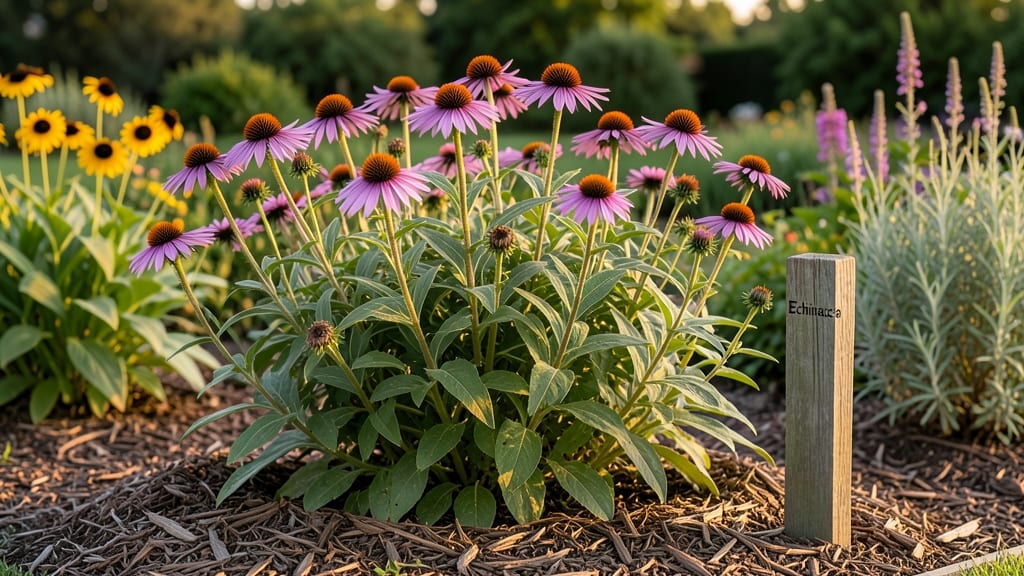
For perennial garden plants in Zone 5, focus on cold-hardy varieties that survive temperatures below 20°F, such as coneflowers, black-eyed Susans, and Russian sage. These resilient plants return each year with minimal upkeep, especially when you prioritize native species suited to your region.
Zone 5's freezing winters and variable spring temperatures demand perennials with built-in survival skills.
The plants I recommend thrive because they've evolved alongside local climates, developing deep root systems that protect against frost heave and rapid temperature swings. 🌱 Native varieties like bee balm and columbine also attract pollinators while requiring less water once established, making them ideal for low-maintenance gardens.
The key is matching your soil type—sandy soils drain too quickly for moisture-loving plants like hostas, while clay-heavy areas need amending for root health.
Spring is the best time to plant most perennials in Zone 5, giving roots time to establish before winter. I always space plants according to their mature size—crowding leads to disease—and use mulch to insulate roots during temperature fluctuations.
For example, Russian sage needs full sun and well-drained soil, while heuchera thrives in partial shade with consistent moisture.
💡 In This Article
- Understanding Zone 5 Climate and Perennial Survival
- Best Perennial Plants for Zone 5 Gardens by Season
Understanding Zone 5 climate and perennial survival
The USDA defines Zone 5 as regions where the coldest winter temperatures average between -20°F and -10°F, but actual winter lows can drop to -30°F or lower. This extreme cold forces perennials to develop specialized survival mechanisms.
True cold-hardy plants like coneflowers (Echinacea) and Russian sage (Perovskia) enter deep dormancy, reducing metabolic activity to nearly zero while storing energy in their roots. Their cell membranes contain high levels of unsaturated fats that prevent ice crystal formation, similar to how antifreeze works in car engines.
Soil temperature plays a crucial role in perennial survival. When ground temperatures drop below 32°F, moisture in the soil begins to freeze, creating a protective insulating layer. However, repeated freeze-thaw cycles can cause frost heave, where roots are pushed upward and damaged.
Native plants like black-eyed Susan (Rudbeckia) have evolved fibrous root systems that anchor deeply, resisting this upward force. The key measurement here is the soil's freeze depth, which in Zone 5 can reach 24-36 inches—deep enough to test even the hardiest perennials.
Cold tolerance varies dramatically between plant types. Deciduous perennials like hostas and peony shed their foliage to conserve energy, while evergreens like boxwood must balance moisture retention with frost resistance. The USDA hardiness zone rating only tells part of the story—actual performance depends on microclimates.
For instance, a south-facing wall can create a 5°F warmer microclimate than the surrounding area, allowing marginally hardier plants to thrive. This is why gardeners often see lavender (Zone 5b) surviving in sheltered spots when it would normally struggle.
Identifying truly cold-hardy species requires looking beyond the zone rating. Focus on plants with thick, woody stems (like Russian sage), deep taproots (such as purple coneflower), or hairy leaves that reduce water loss.
The cold acclimation process is also critical—most perennials need 4-6 weeks of gradually decreasing temperatures to build frost resistance. This is why fall-planted perennials often struggle more than spring-planted ones in Zone 5's unpredictable climate.
Consider these key survival factors when selecting plants:
- Root depth: Plants with roots below 12 inches are less vulnerable to freeze-thaw damage
- Moisture retention: Succulents like sedum survive drought better than moisture-loving plants in winter
- Leaf structure: Small, leathery leaves (like heuchera) lose less moisture than broad leaves
- Growth habit: Clump-forming plants (like daylilies) recover better from winter dieback than sprawling types
The most reliable Zone 5 perennials share one common trait: they've evolved alongside local wildlife. Native species like wild bergamot (Monarda fistulosa) have developed complex root systems that can survive three months of sub-zero temperatures while still producing vibrant blooms.
This natural adaptation means they require 30-50% less water once established compared to non-native varieties, making them both resilient and low-maintenance. 🌿