
Planting
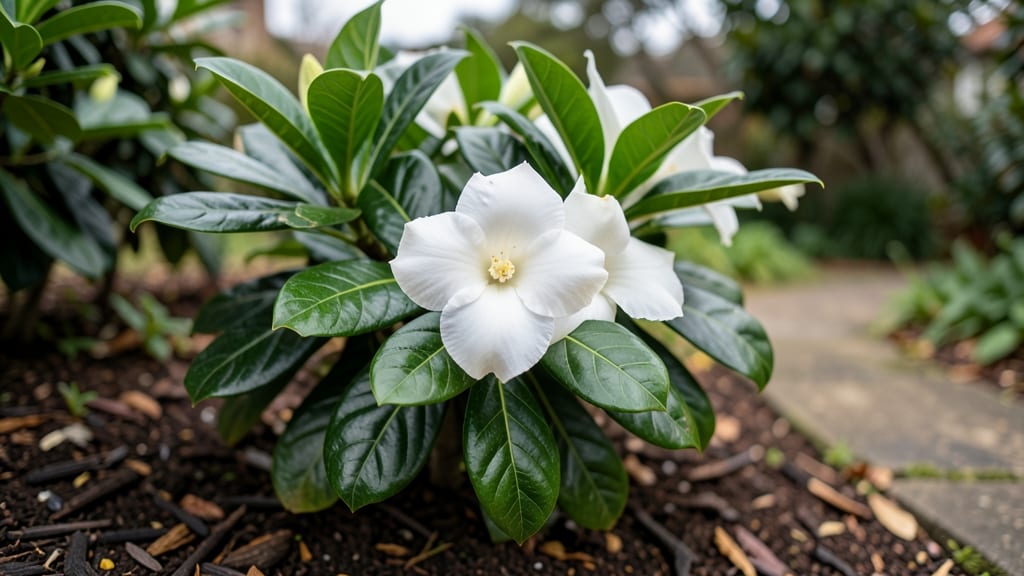
Gardenia plants in Zone 5 can thrive with cold-hardy varieties like Gardenia jasminoides 'Kleim's Hardy' or 'Radicans', which survive temperatures down to 10°F (-12°C) when properly protected. Prune in early spring, use thick mulch, and bring potted plants indoors before frost.
Cold-hardy gardenias are specifically bred to withstand Zone 5 winters, but their success depends on protecting both roots and foliage. 🌱 The key is creating a microclimate—thick mulch (at least 4-6 inches of straw or leaves) insulates roots, while burlap wraps shield tender stems from harsh winds.
I’ve seen 'Radicans' survive winters with just a simple row cover, proving these varieties are far tougher than standard gardenias. For containers, move plants to unheated garages or basements before the first frost, as even cold-hardy types struggle with prolonged freezing.
These varieties also bloom later in the season, giving them time to harden off before winter. Their glossy leaves help them recover faster from cold snaps, making them ideal for gardeners who love fragrance but live in colder regions.
Just remember: while they’re hardy, they’re not invincible—consistent care makes all the difference.
💡 In This Article
- How to Select and Grow Cold-Resistant Gardenia Varieties
- Zone 5 Winter Care: Mulching, Pruning, and Protection Tips
How to select and grow cold-resistant gardenia varieties
Cold tolerance in gardenias comes down to genetics and environmental adaptation. The hardiest varieties, like Gardenia jasminoides 'Kleim's Hardy', have been selectively bred to withstand colder temperatures by developing thicker stems and more compact growth habits.
Their leaves also contain higher levels of natural antifreeze proteins, similar to how some evergreens survive winter. These proteins prevent ice crystals from forming in cell walls, which is why 'Kleim's Hardy' can handle down to 10°F (-12°C)—a full 20°F colder than standard gardenias.
The difference between 'Kleim's Hardy' and 'Radicans' lies in their growth structure. 'Kleim's Hardy' grows as a bushy shrub reaching 3-4 feet tall, while 'Radicans' spreads horizontally with vining stems that root at nodes—a trait that helps it recover from frost damage faster.
Both varieties bloom later in summer, giving them time to establish stronger root systems before winter. 🌿 What sets them apart from tropical gardenias is their ability to go dormant in cold weather, conserving energy until spring.
This dormancy is triggered by shorter daylight hours and cooler temperatures, a survival mechanism shared with many deciduous shrubs.
When planting in Zone 5, choose a location with afternoon shade to prevent leaf scorch from intense summer sun. The soil should be slightly acidic (pH 5.0-6.5) and well-draining—gardenias hate soggy roots. Amend heavy clay with 2-3 inches of compost and mix in perlite to improve aeration.
These varieties thrive in USDA Zones 7-10 but can be pushed to Zone 5 with proper winter care, proving that with the right conditions, even cold-climate gardeners can enjoy their signature jasmine-like fragrance.
One common misconception is that all cold-hardy gardenias perform equally. 'Radicans' is more resilient to wind damage due to its sprawling growth, while 'Kleim's Hardy' produces larger, more abundant blooms.
If you live in an area with 15°F (-9°C) winters, consider adding an extra layer of frost cloth for the first few winters until the plant establishes deeper roots. The trade-off? These varieties may bloom slightly later than tropical types, but the fragrance is worth the wait.
For container growing, select pots with 10+ gallon capacity to accommodate root growth. Use a mix of 50% peat moss, 30% perlite, and 20% sand for optimal drainage.
Move containers to a sheltered spot before temperatures drop below 32°F (0°C), as even cold-hardy roots can suffer from prolonged freezing. I’ve found that wrapping pots in bubble wrap adds an extra 5-10°F of protection during freeze events.
Here’s what most gardeners overlook: cold-hardy gardenias still need consistent moisture during their active growing season (spring to fall). Their roots are shallow, so water deeply 2-3 times per week during dry spells.
In winter, reduce watering to once every 3-4 weeks unless you’re in a region with frequent freeze-thaw cycles, which can cause root heaving. The key is balancing hydration with insulation—too much water in winter can lead to rot, while too little stresses the plant.