
Tools
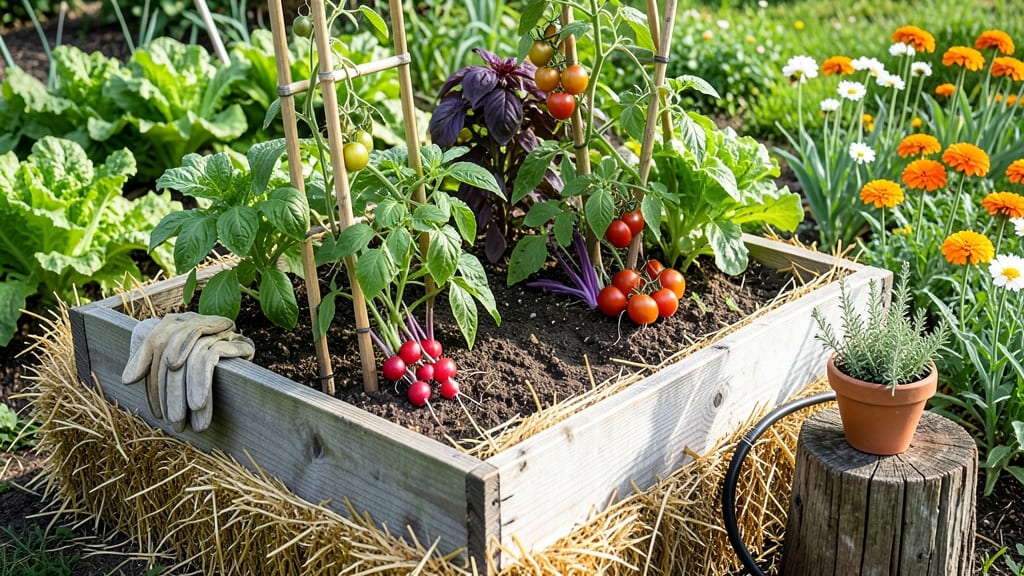
Outdoor raised garden bed ideas turn even the smallest yard into a thriving, low-maintenance green space—no sprawling plots required.
Picture this: a 4x8-foot bed tucked into a corner, overflowing with herbs and veggies, or a vertical stack of planters on a patio wall, saving square footage while maximizing harvests. These designs aren’t just practical; they’re game-changers for anyone short on space but big on gardening dreams.
From space-saving layouts that fit between sidewalks to tiered systems that climb walls, the right raised bed can slash your watering time, improve soil control, and even make weeding a breeze. Plus, you’ll discover how to pick materials that last—whether you’re DIYing with cedar or opting for lightweight composites.
Below, I’ll walk you through 10 creative designs, the best dimensions for small yards, and pro tips to keep your beds lush all season long—no green thumb required.
10 Space-saving raised garden bed layouts for small yards
Small yards don’t have to limit your gardening dreams—raised garden beds are the perfect solution for maximizing every inch of space. These layouts optimize vertical growth, use corner spaces, and ensure full sunlight exposure while keeping plants accessible.
Whether you have a balcony, patio, or narrow strip of land, these designs prove that big harvests come in small packages.
One of my favorite layouts is the vertical tiered bed, which stacks plants at different heights to create a living wall of greens, herbs, and flowers. This design not only saves space but also adds a stunning visual element to your outdoor area.
For urban balconies, consider hanging planters paired with shallow raised beds to maximize every square foot.
Here’s a quick comparison of 10 space-saving layouts—each designed for specific challenges like limited sunlight, tight corners, or narrow pathways. The table below breaks down their best use cases, materials, and plant recommendations to help you pick the perfect fit for your space.
| Layout Name | Best For | Materials | Sunlight Needs | Plant Ideas |
|---|---|---|---|---|
| Vertical Tiered Bed | Balconies, patios, small yards | Cedar wood, composite panels | Full sun to partial shade | Herbs, cherry tomatoes, lettuce |
| Corner Pocket Bed | Tight corners, alleyways | Recycled plastic, galvanized metal | Partial shade to full sun | Strawberries, radishes, spinach |
| Narrow Strip Bed | Fences, pathways, narrow plots | Bamboo, cedar slats | Full sun | Green beans, carrots, peppers |
| Hanging Raised Bed | Porches, decks, railings | Fabric grow bags, lightweight wood | Partial shade to full sun | Peppers, herbs, dwarf tomatoes |
| Spiral Herb Garden | Small circles, round patios | Stone, brick, or wood | Full sun | Basil, thyme, rosemary |
| Stacked Planter Boxes | Vertical walls, trellises | Metal crates, pallet wood | Full sun to partial shade | Lettuce, kale, microgreens |
| Window Box Garden | House windowsills, indoor-outdoor spaces | Wooden boxes, ceramic pots | Partial shade | Chives, parsley, mint |
| Keyhole Bed | td style="padding: 10px;">Small urban plots, permacultureStones, logs, compost center | Full sun to partial shade | Sweet potatoes, squash, beans | |
| Raised Planter Bench | Seating + gardening combo | Cedar, composite lumber | Full sun | Zucchini, cucumbers, flowers |
| Trellis-Integrated Bed | Vining plants, small yards | Metal trellis, wood frame | Full sun | Pole beans, cucumbers, peas |
The vertical tiered bed is ideal if you want a low-maintenance, high-yield setup. It’s perfect for herbs and compact vegetables like cherry tomatoes and lettuce, which thrive in shallow soil depths. Plus, the tiered design makes it easy to rotate crops and **
How to choose the best materials and dimensions for your raised bed
Selecting the right materials and dimensions for your raised bed is crucial for both longevity and productivity. Your choices impact drainage, accessibility, and maintenance—so let’s break down the best options for small spaces.
First, consider your budget and local climate, as these will influence durability and cost-effectiveness.
For materials, cedar and redwood are top picks because they resist rot and insects naturally.
However, they’re pricier than pine, which is budget-friendly but requires annual sealing to prevent decay. Composite lumber is another great option—it lasts 10-15 years without rotting and needs little upkeep, making it ideal for long-term gardens.
🌱
| Material | Pros | Cons | Cost (Per Bed) |
|---|---|---|---|
| Cedar | Natural rot resistance, aesthetically pleasing | Expensive, limited availability | $150–$300 |
| Redwood | Long-lasting, insect-resistant | High cost, requires sealing | $200–$400 |
| Pine | Affordable, widely available | Needs sealing, shorter lifespan | $80–$150 |
| Composite | No rot, low maintenance, eco-friendly | Higher upfront cost | $250–$500 |
| Metal | Durable, modern look, recyclable | Can heat up, may need lining | $100–$300 |
When it comes to dimensions, width is the most critical factor for accessibility. Aim for no wider than 4 feet—this lets you reach the center without stepping inside, which can compact the soil.
For depth, 6–12 inches is ideal for most vegetables, while herbs and shallow-rooted plants thrive in 6-inch beds. Length can vary, but 8 feet is a great standard for small yards.
For structural longevity, ensure your bed has sturdy corners (L-brackets or screws) and level sides to prevent warping.
If using metal, add a wooden liner to protect roots from heat transfer. Avoid pressure-treated wood unless labeled ACQ-treated, as older chemicals can leach into the soil and harm plants.
For small spaces, consider narrow beds (2–3 feet wide) placed along fences or walls to maximize sunlight. You can also stack beds vertically or use corner designs to utilize odd-shaped areas. Just remember: drainage holes are a must—add them at the bottom to prevent waterlogging, especially in rainy climates.
Finally, think about maintenance. Composite or metal beds require less upkeep, while wooden beds need seasonal inspections for rot or pests. If you’re on a tight budget, start with pine and upgrade to cedar or composite as your garden grows.
The right materials and dimensions will set your raised bed up for years of success—without the hassle.