
Tools
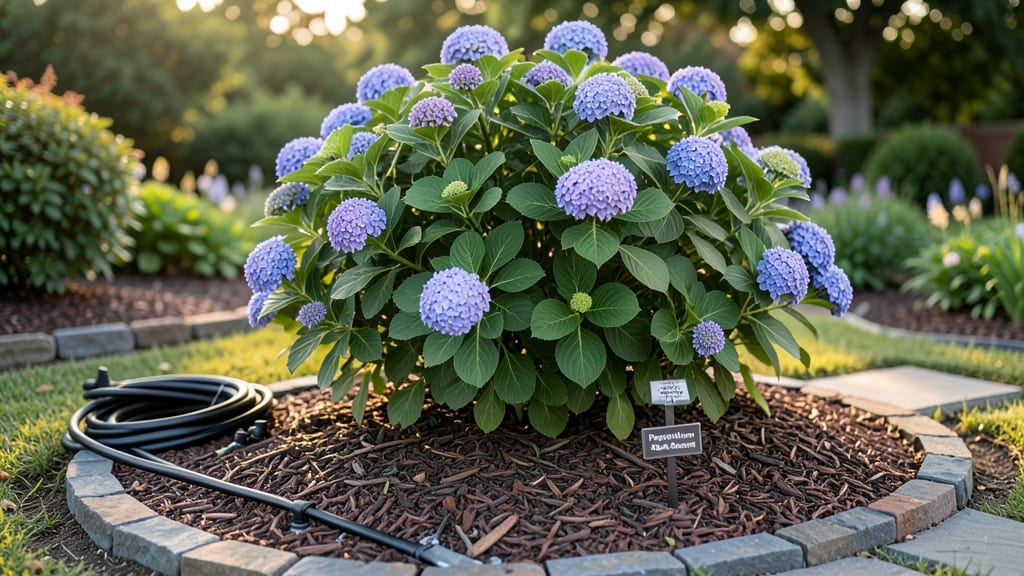
Creating mound garden bed ideas that work for your space can transform soggy soil into a thriving, high-drainage oasis for your plants 🌱—no heavy lifting or expensive materials required.
Picture this: your garden’s problem spots—low areas that stay waterlogged after rain or compacted from foot traffic—suddenly become the most productive patch. That’s the magic of mound beds, a clever way to raise plants just enough to improve airflow, prevent erosion, and make harvesting a breeze.
Whether you’re dealing with clay soil, limited mobility, or simply want to reduce weeding, mound beds offer a low-cost, flexible alternative to traditional raised beds. They’re perfect for vegetables, herbs, or flowers, and you can shape them to fit even the trickiest corners of your yard.
Below, I’ll walk you through design principles, plant pairings, and step-by-step building tips—so you can start shaping your own elevated garden this spring without breaking the bank.
How to build mound garden beds for optimal drainage & soil health
Mound garden beds are a game-changer for gardeners dealing with clay soil or waterlogged areas. By elevating your plants, you create better drainage and root aeration while avoiding the heavy lifting of traditional raised beds.
The best part? You can build them directly on your existing soil with minimal tools—just a shovel, compost, and some elbow grease!
Before you start, choose a location with at least 6 hours of sunlight daily. Avoid low spots where water pools after rain. The ideal mound height is 12-18 inches, but adjust based on your plants—shallow-rooted herbs thrive at 12 inches, while deep-rooted perennials need 18 inches.
Let’s break this down into simple, actionable steps.
Step-by-Step Guide to Building Your Mound Bed
- Step 1: Mark Your Space Use a garden hose or string to outline a 3-4 foot wide rectangle. Mounds should be no wider than 4 feet to avoid deep soil compaction in the center. For long beds, leave 18-inch pathways between rows for easy access.
- Step 2: Remove Turf or Weeds Cut or flip sod and remove weeds from the area. Loosen the top 6 inches of soil with a shovel or broadfork to improve aeration. This prevents smothering roots and encourages healthy growth.
- Step 3: Build the Base Pile soil into a pyramid shape, mounding it to your desired height (12-18 inches). Use a mix of your existing soil and 50% compost or aged manure for nutrient-rich foundation. Avoid fresh manure—it can burn plants!
- Step 4: Create a Gentle Slope Shape the mound with a 1:10 slope (1 inch of rise for every 10 inches of width). This ensures water runs off instead of pooling. Test by pouring water—it should drain within 10-15 minutes.
- Step 5: Layer Soil for Depth Top the mound with a 4-inch layer of finished compost mixed with 1 part perlite or coarse sand for drainage. This layer supports microorganisms and prevents compaction over time.
- Step 6: Mulch to Retain Moisture Apply 3 inches of organic mulch (straw, wood chips, or shredded leaves) to the surface. Mulch keeps soil cool, reduces erosion, and suppresses weeds. Replenish every 3-4 months.
- Step 7: Plant Strategically Place shallow-rooted plants (like thyme or lettuce) on top and deeper-rooted plants (like carrots or tomatoes) at the base. Space them 12-24 inches apart depending on maturity size.
One of the biggest mistakes I see is using compacted soil without amending it. Always mix in organic matter—like leaf mold or worm castings—to improve structure.
For clay-heavy soils, add sand or grit to break up particles and boost drainage. Test your soil’s pH before planting; most vegetables prefer a 6.0-7.0 range.
Mulching is non-negotiable for mound beds. Without it, rain can erode the sides, turning your neat pyramid into a muddy mess. I recommend straw mulch for vegetables and wood chips for perennials.
Avoid plastic mulch—it traps heat and can suffocate roots. Instead, opt for living mulches like clover to add nitrogen naturally.
Watering mound beds requires a different approach than flat gardens. Since water runs off the slopes, use a soaker hose or drip irrigation to deliver moisture directly to the roots. Water in the early morning to reduce evaporation and fungal risks.
Aim for 1 inch of water per week, adjusting for rainfall. A moisture meter helps avoid over- or under-watering.
For long-term success, rotate crops annually to prevent soil depletion and disease buildup. Mound beds are perfect for succession planting—sow fast-growing crops like radishes, then replace them with slower growers like broccoli. This keeps your mound productive year-round without replanting the entire bed.
If you’re in a high-rainfall area, consider adding a swale at the base of your mound to capture runoff. A swale is a shallow trench filled with mulch or rocks, designed to slow water flow and recharge the soil.
It’s a simple way to turn a potential problem into a benefit for your garden ecosystem.
Finally, don’t overlook the aesthetic appeal of mound beds. Frame them with native stones, gravel paths, or ornamental grasses to blend them into your landscape.
They’re not just functional—they can be stunning focal points in your garden design. With the right plants and placement, your mound beds will look intentional and thriving!
10 Best plants for mound garden beds by climate & sunlight needs
Mound garden beds create the perfect elevated ecosystem for plants that thrive with improved drainage and aerated roots. The key is selecting shallow-rooted, drought-tolerant varieties that won’t outgrow the space or require constant watering.
I’ve curated this list based on sunlight needs, climate zones, and low-maintenance traits—so you can create a self-sustaining mound that flourishes with minimal effort.
For full-sun lovers, lavender, thyme, and sedum dominate thanks to their heat resistance and minimal water demands. These plants not only survive but thrive in the elevated, well-draining conditions of mound beds.
In partial shade, heuchera, ferns, and hostas add textural contrast while requiring less frequent watering than their sun-hungry counterparts.
🌱Pro Tip: Layer plants by height and bloom time—tall varieties like Russian sage at the back, mid-height catmint in the middle, and creeping thyme as a ground cover. This creates a natural cascading effect while maximizing space efficiency.
🌿 Top 10 Mound Garden Bed Plants by Sun & Climate
- 1. Lavender (Drought-Proof) – Full sun, USDA Zones 5-9, 36" tall. Repels pests and attracts pollinators. Water once established.
- 2. Sedum (Succulent-Like) – Full sun, Zones 3-11, 12-18" tall. Thrives in rocky, dry soil. Perfect for xeriscaping.
- 3. Catmint (Low-Maintenance) – Full sun/partial shade, Zones 4-9, 24-36" tall. Blooms June-September. Deer-resistant!
- 4. Heuchera (Shade Tolerant) – Partial shade, Zones 4-9, 12-18" tall. Stunning foliage colors. Great for containers or borders.
- 5. Russian Sage (Drought-Resistant) – Full sun, Zones 5-9, 36-48" tall. Fragrant blooms from summer to fall. Minimal pruning needed.
- 6. Creeping Thyme (Ground Cover) – Full sun, Zones 5-9, 3-6" tall. Edible, aromatic, and drought-tolerant. Walkable paths!
- 7. Ferns (Partial Shade) – Partial shade, Zones 4-10, 12-24" tall. Adds texture and moisture to mound beds. Prefers humid conditions.
- 8. Hostas (Shade-Loving) – Partial shade, Zones 3-9, 12-36" tall. Low-maintenance foliage. Mulch to retain moisture.
- 9. Yarrow (Pollinator Magnet) – Full sun, Zones 3-9, 18-36" tall. Long bloom season. Self-seeds easily—great for wildlife gardens.
- 10. Oregano (Edible & Hardy) – Full sun, Zones 5-10, 12-24" tall. Perennial herb with medicinal uses. Spreads gently over time.
💡 Layering Tip: Place tall perennials (like Russian sage) at the back, mid-height shrubs (catmint) in the middle, and ground covers (thyme) at the front for a balanced, natural look.
When planning your mound garden bed, consider succession planting—swap out annuals like marigolds in early summer for fall-blooming asters to extend your seasonal interest. This keeps the bed visually dynamic while reducing maintenance.
For dry climates, prioritize sedum, lavender, and yarrow—they’ll survive on rainfall alone once established. In humid regions, ferns, hostas, and heuchera prevent soil erosion and retain moisture better than flat-ground plantings.
🌿 Final Tip: Mulch with pine needles or straw to retain moisture, suppress weeds, and regulate soil temperature. Replenish every spring and fall for long-term success.