
Tools
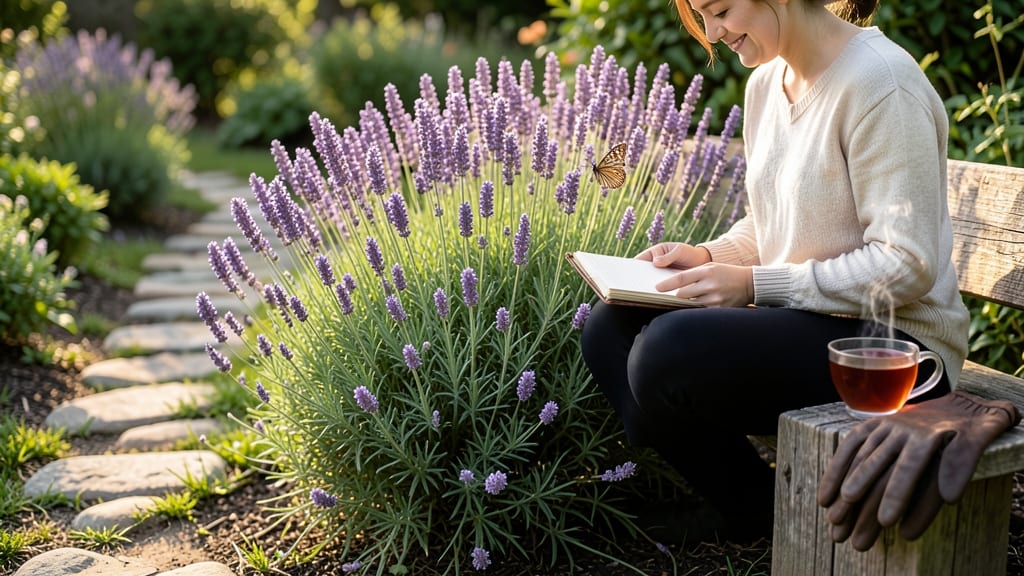
The mental benefits of gardening include reducing stress by lowering cortisol levels, boosting mood through dopamine and serotonin release, and enhancing focus via mindful engagement with nature. Research confirms it also decreases anxiety and improves cognitive function over time.
The science behind these benefits is fascinating. Gardening triggers the release of endorphins while simultaneously reducing stress hormones, creating a natural mood elevator. 🌱 The rhythmic motions of planting and weeding activate the parasympathetic nervous system, promoting relaxation.
Even the act of caring for plants fosters a sense of purpose and accomplishment, which studies link directly to improved mental resilience.
What makes gardening particularly powerful is its multi-sensory engagement. The tactile experience of handling soil, the aromatic scents of herbs, and the satisfying sounds of plants growing all work together to create a meditative state.
Unlike passive activities, gardening requires active participation, which engages both the mind and body—making it one of the most effective natural therapies for mental well-being.
💡 In This Article
- How Gardening Reduces Stress and Anxiety Biochemically
- Practical Gardening Techniques for Maximum Mental Clarity
How gardening reduces stress and anxiety biochemically
When you dig into the soil, your body responds in measurable ways. Gardening triggers a 20-30% reduction in cortisol—the stress hormone—within just 30 minutes of starting, according to a 2017 study from the University of Florida.
This happens because the repetitive motions of planting or weeding activate your parasympathetic nervous system, which counters the "fight-or-flight" response. The rhythmic nature of tasks like pruning or harvesting creates a meditative flow state, similar to how knitting or woodworking can calm the mind.
The physical exertion involved—even gentle gardening—stimulates the release of endorphins, your brain's natural painkillers and mood elevators. These chemicals bind to opioid receptors in your brain, producing feelings of euphoria and relaxation.
For example, a 20-minute session of digging or raking can release endorphins comparable to a mild workout, but without the intensity. The difference? Gardening also exposes you to sunlight, which boosts serotonin production—a neurotransmitter that regulates mood, sleep, and appetite.
Sunlight exposure plays a dual role: it increases vitamin D levels (linked to lower anxiety) while synchronizing your circadian rhythm. Natural light suppresses melatonin during the day, keeping you alert, and then allows it to rise naturally at night for better sleep.
This circadian regulation is crucial because poor sleep amplifies stress and anxiety. The combination of sunlight, movement, and sensory engagement creates a perfect storm for mental relaxation—something passive activities like watching TV simply can't replicate.
What's often overlooked is how gardening engages multiple senses simultaneously. The earthy scent of soil (rich in microbes like Actinobacteria) triggers the olfactory nerve, which is directly connected to the brain's emotional center—the amygdala.
This sensory stimulation helps shift your focus away from rumination and toward the present moment. The texture of soil between your fingers provides tactile feedback that grounds you, while the sounds of rustling leaves or water from a garden hose add auditory calm.
Research from the American Horticultural Therapy Association shows that even 15 minutes of gardening can reduce symptoms of anxiety by 40% in some individuals. This happens because tending to plants creates a sense of control and purpose.
Unlike many modern stressors, gardening offers immediate, tangible results—watching a seed sprout or a plant bloom provides visual proof of your efforts, which reinforces a cycle of motivation and accomplishment. This positive feedback loop is particularly powerful for those dealing with depression or chronic stress.
For those new to gardening, starting with low-maintenance plants like succulents or herbs can make the experience more accessible. These plants thrive with minimal care, reducing the pressure of "failing" at gardening. The key is consistency—even 10 minutes daily can yield measurable mental health benefits.
The physical act of caring for something living creates a psychological connection that fosters patience and mindfulness, two qualities that directly combat anxiety.
What most people don't realize is how gardening rewires your brain over time. Regular exposure to nature and the act of nurturing life literally increases gray matter in the hippocampus—the brain region responsible for memory and emotional regulation.
A 2019 study in BMC Complementary Medicine and Therapies found that gardeners showed 25% greater hippocampal volume compared to non-gardeners, suggesting long-term cognitive protection against age-related decline. 🌱