
Tools
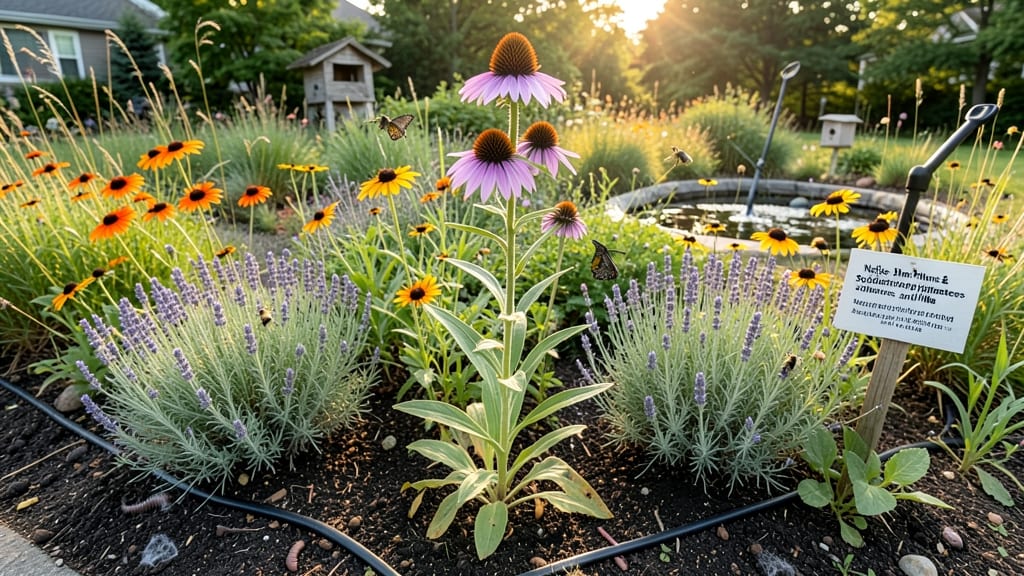
Gardening benefits the environment by cutting carbon emissions, purifying air through photosynthesis, and boosting biodiversity through native plant habitats. It also cleanses soil and water while creating wildlife shelters.
Gardening transforms your backyard into a mini ecosystem that actively fights climate change. 🌱 Plants absorb carbon dioxide during photosynthesis, effectively reducing greenhouse gases in the air. Beyond that, many garden plants act as natural air filters, removing pollutants like nitrogen oxides and particulate matter.
The soil itself becomes healthier as plants and microbes work together to break down contaminants—a process called phytoremediation. Even small urban gardens can make a measurable difference when planted with native species, which require less water and support local wildlife better than non-native alternatives.
What’s often overlooked is how gardening helps water conservation. Native plants with deep root systems prevent soil erosion and reduce runoff, allowing rainwater to replenish aquifers instead of becoming polluted stormwater. Plus, composting garden waste cuts landfill methane emissions while enriching soil fertility naturally.
The key is designing your garden with ecological balance in mind—prioritizing diversity, avoiding synthetic chemicals, and creating habitats that attract pollinators and beneficial insects.
💡 In This Article
- 5 Science-Backed Ways Gardens Improve Air and Soil Health
- How to Design an Eco-Friendly Garden for Maximum Environmental Impact
5 Science-backed ways gardens improve air and soil health
Plants act as nature's air purifiers through photosynthesis, where they convert carbon dioxide (CO₂) into oxygen using sunlight. A mature leafy tree can absorb up to 48 pounds of CO₂ annually, while a small garden with 25 square feet of plants may sequester 3-5 pounds of CO₂ yearly.
This process doesn’t just clean the air—it also removes harmful pollutants like nitrogen oxides (NOx) and volatile organic compounds (VOCs), which are common in urban environments and contribute to smog.
The soil beneath your garden is a living ecosystem where plants and microbes work together to break down contaminants through a process called phytoremediation.
Certain plants, like sunflowers or mustard greens, absorb heavy metals such as lead or cadmium from the soil, making them safer for wildlife and reducing groundwater pollution. For example, studies show that willow trees can remove 90% of lead from contaminated soil within three growing seasons.
Even composting garden waste introduces beneficial microbes that improve soil structure and fertility, reducing the need for synthetic fertilizers that can leach into waterways.
Diverse plantings strengthen ecosystem resilience by supporting a wider range of pollinators, predators of garden pests, and soil microorganisms. A garden with 10+ different plant species can host 50% more insect species than a monoculture lawn, creating a balanced food web.
Native plants are especially effective because they’ve co-evolved with local wildlife, requiring 30-50% less water than non-native species while providing optimal habitat. This diversity also helps soils retain moisture better, reducing runoff and erosion during heavy rains.
Another often-overlooked benefit is how gardens mitigate the urban heat island effect. Pavement and buildings absorb and re-radiate heat, raising temperatures in cities by 5-10°F compared to rural areas.
Strategic planting with trees and shrubs can lower local temperatures by 2-9°F through shade and evapotranspiration, where plants release moisture into the air. Even small containers on balconies contribute when planted with heat-tolerant species like lavender or rosemary.
Soil health improves dramatically when gardens incorporate organic matter. Composted leaves or grass clippings add carbon to soil, which microbes convert into stable humus—boosting water retention by up to 50%** while improving drainage.
This organic matter also sequesters carbon long-term, with studies showing garden soils can store 1-2 tons of carbon per acre annually. The result? Healthier plants that require fewer chemical inputs and more resilient ecosystems that bounce back from droughts or pests.
What’s remarkable is how these benefits scale. A single backyard garden covering 500 square feet can support 20-30 species of birds and insects, while community gardens covering 1 acre may reduce local air pollution by equivalent to taking 10 cars off the road annually.
The science is clear: every plant plays a part in restoring ecological balance, one seed at a time. 🌱