
Tools
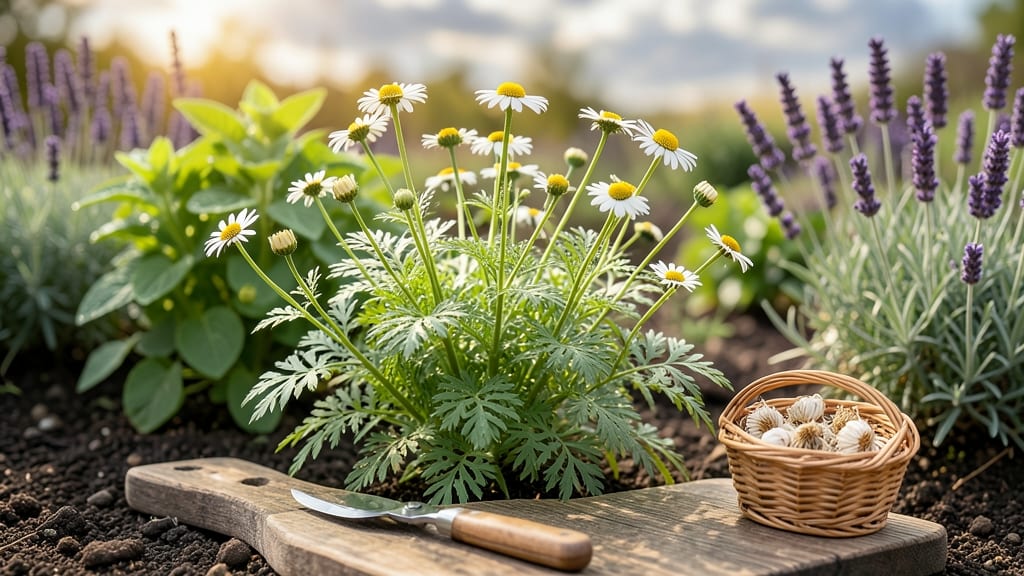
A medicinal tea garden focuses on cultivating 15 powerful herbs like peppermint, chamomile, and echinacea, each packed with natural healing properties for digestion, relaxation, and immune defense—perfect for growing at home and crafting your own therapeutic tea blends.
Building a medicinal tea garden isn't just about growing plants—it's about creating a living apothecary in your backyard or balcony. 🌿 These herbs thrive in partial sun to full sunlight, with most preferring well-draining soil rich in organic matter.
The key is spacing them properly to prevent competition while maximizing airflow, which boosts potency. For small spaces, container gardening works beautifully—just ensure pots have drainage holes and use lightweight potting mix.
Many of these herbs also pair well together (like mint with lavender), creating a symbiotic growing environment that enhances flavor and medicinal properties.
What makes this approach so rewarding is how each herb serves a specific purpose—whether it's peppermint for soothing digestion, echinacea for immune support, or lavender for calming nerves. You can harvest leaves as needed throughout the growing season, and most herbs become even more potent when dried for winter use.
The best part? You're not just growing plants; you're growing natural remedies tailored to your family's needs. 💫
💡 In This Article
- How to Design a Thriving Medicinal Herb Layout
- Top 15 Healing Herbs for Tea and Their Medicinal Benefits
How to design a thriving medicinal herb layout
The foundation of a potent medicinal tea garden starts with sunlight exposure. Most herbs thrive in 6-8 hours of direct sunlight daily, though some like peppermint tolerate partial shade.
For example, lavender demands full sun to produce its signature calming compounds, while chamomile can adapt to 4-6 hours if grown in cooler climates. Soil quality matters just as much—these herbs prefer well-draining, slightly alkaline soil (pH 6.0-7.0) rich in organic matter.
A mix of compost and perlite creates the ideal loose texture that prevents root rot while allowing nutrients to reach the plants' roots efficiently.
Spacing is often underestimated but critical for potency. Herbs like rosemary and thyme should have 18-24 inches between plants to prevent overcrowding, which can lead to fungal issues and diluted essential oils. Mint, on the other hand, spreads aggressively and needs containment—either in its own pot or with underground barriers.
Companion planting boosts yields too: basil next to tomatoes repels pests, while borage attracts pollinators that enhance flowering herbs like echinacea. Seasonal timing matters—spring is ideal for planting perennials (like lavender), while annuals (such as chamomile) can be sown in early fall for winter harvests.
Container gardening transforms small spaces into productive apothecaries. Choose pots with 6-12 inch depths for most herbs, ensuring drainage holes prevent waterlogging. Herbs like oregano and thyme thrive in shallow containers, while deeper pots suit rootier varieties like valerian.
Use lightweight potting mixes with added sand or coconut coir to improve drainage. Rotate containers every few weeks to ensure even sunlight exposure, which prevents leggy growth. The key is consistency—herbs grown in containers often need daily watering during hot months, as their roots dry out faster than in-ground plants.
Airflow and humidity create the perfect storm for potency. Most medicinal herbs prefer moderate humidity (40-60%), but tropical varieties like lemongrass need higher levels. Prune regularly to encourage bushier growth and better airflow, which reduces mold risks.
For example, cutting back peppermint stems by one-third in early summer stimulates denser foliage. Mulching with straw or wood chips retains moisture and regulates soil temperature, protecting roots during heatwaves. These small adjustments can double your harvest yield while maximizing the therapeutic compounds in your teas.
Harvesting at the right time amplifies medicinal benefits. Leafy herbs like mint and basil should be harvested in the morning after dew has evaporated but before the sun peaks. Flowering herbs (chamomile, lavender) reach their peak potency just before blooms fully open.
For roots like ginger or valerian, wait until the plant's top growth yellows—this signals energy has transferred to the roots. Always use clean, sharp scissors to avoid damaging stems, and harvest no more than one-third of the plant at a time to encourage regrowth.
Proper drying (hanging in dark, airy spaces) preserves up to 80% of the herb's volatile oils, the compounds responsible for their healing properties.
Design your layout with both aesthetics and function in mind. Place taller herbs (like lavender) at the back of beds or in the center of containers, while trailing varieties (such as thyme) spill over edges. Group herbs with similar water needs together to simplify care.
For instance, drought-tolerant rosemary and oregano can share a pot, while moisture-loving lemon balm needs separate growing conditions. This thoughtful arrangement reduces maintenance while creating a visually appealing, fragrant garden that doubles as your personal pharmacy. 🌿