
How To
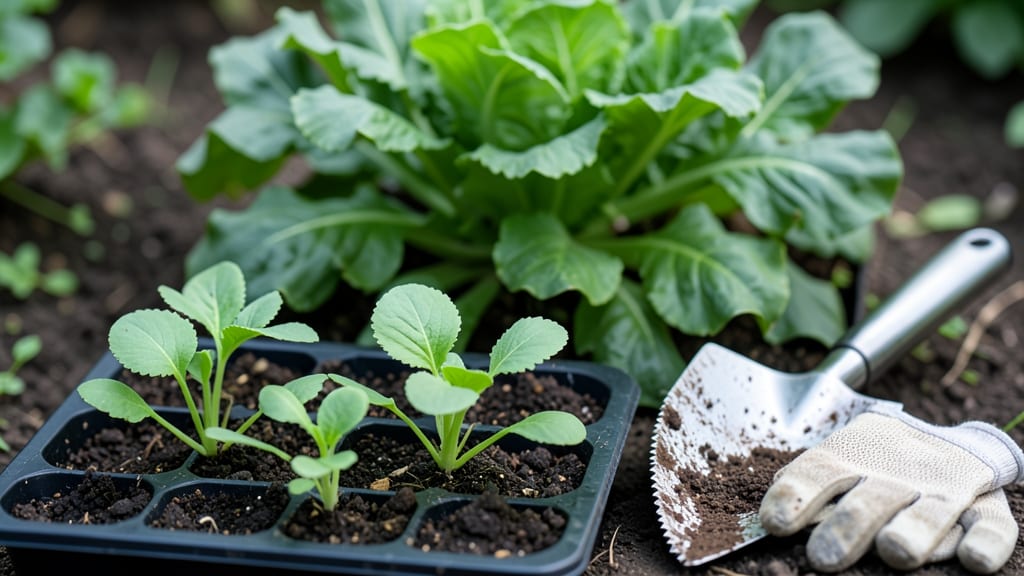
Growing a lettuce garden 🥬 is easier than you’d think, even if your space is shady or your schedule is busy.
Picture this: crisp, homegrown lettuce ready to harvest in just 30 days—no greenhouse or perfect sunshine required! The key is choosing the right shade-tolerant varieties and giving them the right care from the start.
Most gardeners assume lettuce needs full sun, but the truth is, these leafy greens thrive in partial shade too. With the right soil, watering routine, and a few simple tricks, you can grow a thriving lettuce patch in containers, raised beds, or even a small backyard plot.
In this guide, I’ll walk you through fast-harvest tips, the best varieties for shade, and how to avoid common mistakes like bolting or slug damage. Let’s get your garden growing!


Step-by-step guide to planting shade-tolerant lettuce varieties
Growing shade-tolerant lettuce like 'Black Seeded Simpson' or 'Buttercrunch' is perfect for gardeners with limited sunlight. These varieties thrive with just 4-6 hours of sun, making them ideal for partial shade gardens or container growing.
The key to success lies in proper soil prep, spacing, and planting depth—all of which I’ll walk you through in detail below.
Shade-tolerant lettuce varieties are fast-harvest crops, often ready in just 30-40 days. This makes them perfect for spring and fall planting when temperatures are mild. Unlike sun-loving varieties, these won’t bolt as quickly in cooler weather, giving you multiple harvests from a single planting.
Let’s dive into the step-by-step process to get your lettuce off to the best start.
How to Plant Shade-Tolerant Lettuce
- 🌱 Choose the Right Variety – Pick shade-tolerant types like 'Black Seeded Simpson' (loose-leaf) or 'Buttercrunch' (butterhead). These handle partial shade best and resist bolting.
- 🌿 Prepare Your Soil – Lettuce thrives in well-draining, rich soil with a pH of 6.0-7.0. Mix in 2-3 inches of compost or aged manure to improve fertility and moisture retention.
- 📍 Select Your Planting Spot – Choose a location with dappled shade (filtering sunlight) or morning sun + afternoon shade. Avoid deep shade, which can lead to leggy, pale growth.
- 🌱 Sow Seeds Indoors or Outdoors – For indoor starts, sow seeds 4-6 weeks before last frost in trays. For direct sowing, plant seeds 1/4 inch deep when soil reaches 40°F.
- 📏 Space Seeds Properly – Thin seedlings to 6-12 inches apart for loose-leaf varieties or 12-18 inches apart for head lettuce. Proper spacing prevents disease spread and improves air circulation.
- 💧 Water Gently – Keep soil consistently moist but avoid waterlogging. Use a fine mist or drip irrigation to prevent washing away seeds or disturbing seedlings.
- 🌿 Mulch for Moisture – Apply 1-2 inches of mulch (straw or shredded leaves) to retain moisture and suppress weeds. This is especially important in shaded areas where soil dries slower.
- ☀️ Monitor Sunlight – If growth looks stretched or pale, gradually increase sunlight exposure. Most shade-tolerant varieties can handle up to 6 hours of sun without bolting.
- ✂️ Harvest Outer Leaves First – Once leaves reach 4-6 inches, start harvesting outer leaves. This encourages continuous regrowth and extends your harvest season.
When planting shade-tolerant lettuce, timing is everything. For spring plantings, aim to sow seeds 4-6 weeks before your last frost date. In Zone 6, this typically means late March or early April.
If you’re planting for a fall harvest, sow seeds 8-10 weeks before the first frost, usually around late August.
One of the biggest mistakes gardeners make is overcrowding seedlings. Lettuce needs room to grow, and tight spacing leads to poor air circulation, which invites fungal diseases like downy mildew.
Always thin seedlings to the recommended spacing—6-12 inches apart for loose-leaf varieties—to give each plant the space it needs to thrive.
If your garden has deep shade (less than 4 hours of sun), consider container growing near a bright window or under grow lights. A south-facing window or a grow light setup can provide the extra light needed for healthy growth.
Just ensure containers have drainage holes to prevent waterlogged roots.
To maximize your harvest, succession plant every 2-3 weeks throughout the growing season. This ensures a continuous supply of fresh lettuce without overwhelming your garden at once. Pair lettuce with companion plants like carrots, radishes, or strawberries to make the most of your shaded space.
With these steps, you’ll be enjoying crisp, homegrown lettuce in as little as 30 days, even in shaded areas. The key is patience and consistency—lettuce may grow slower in shade, but with the right care, it’s just as rewarding as sun-loving varieties. Happy planting! 🌱
Best shade-tolerant lettuce varieties for fast harvests and low maintenance
If you're working with partial shade, you don’t have to give up on growing crisp, flavorful lettuce. The right shade-tolerant varieties thrive with just 3-4 hours of sunlight daily, making them perfect for under trees, balconies, or north-facing gardens.
I’ve grown these top 5 varieties myself and ranked them based on growth speed, flavor, and ease of care—so you can enjoy fresh salads in as little as 25 days! 🌱
For urban gardeners or those with limited sunlight, Buttercrunch and Black Seeded Simpson are my top picks. Both handle low-light conditions beautifully while delivering buttery textures and sweet flavors.
These varieties also resist bolting (premature flowering), which is crucial when growing in cooler climates or shaded spots. Let’s dive into the details! 🥬
| Variety | Shade Tolerance | Days to Harvest | Flavor Profile | Best For | Planting Time |
|---|---|---|---|---|---|
| Black Seeded Simpson | Excellent (3-4 hrs sun) | 30-40 days | Sweet, crisp, mild | Salads, sandwiches | Spring/Fall (Zones 3-9) |
| Buttercrunch | Good (4-5 hrs sun) | 28-35 days | Buttery, rich, slightly sweet | Salads, wraps | Early spring/late summer |
| Arctic King | Very Good (3-5 hrs sun) | 45-55 days | Crisp, peppery, cold-hardy | Winter salads, storage | Fall (Zones 4-8) |
| Merlot | Good (4-6 hrs sun) | 30-35 days | Deep red, mild, tender | Color salads, garnishes | Spring/Fall (Zones 5-10) |
| Oakleaf | Excellent (3-4 hrs sun) | 50-60 days | Sweet, oak-leaf shaped | Decorative salads | Spring (Zones 3-9) |
When choosing shade-tolerant lettuce, prioritize leaf varieties over head lettuces, as they adapt better to low-light conditions. For example, Oakleaf grows slowly but produces delicate, sweet leaves perfect for gourmet salads, while Merlot adds visual appeal with its deep red hues.
Both thrive in partial shade and cool temperatures, making them ideal for early spring or late fall planting. 🌿
To maximize harvest speed, plant Buttercrunch or Black Seeded Simpson in well-draining soil enriched with compost. These varieties mature in just 30 days, so succession planting every 2 weeks ensures a continuous supply.
For container gardening, use 5-gallon pots with moisture-retentive mixes—this prevents bolting caused by dry soil or heat stress. ✂️
For cooler climates (Zones 3-5), Arctic King is my go-to. It handles light frost and prolonged shade while delivering crisp, peppery leaves. Plant it 8-10 weeks before your first frost for a late-season harvest.
In warmer zones (Zones 8-10), focus on shade cloth during peak afternoon sun to prevent bolting. A 30-50% shade cloth works wonders for extending the harvest window in hot climates. 🌡️
No matter which variety you choose, consistent moisture is key. Water shade-tolerant lettuce daily in hot weather and every other day in cooler months. Mulch with straw or shredded leaves to retain soil moisture and suppress weeds. Avoid overhead watering to prevent disease