
Planting
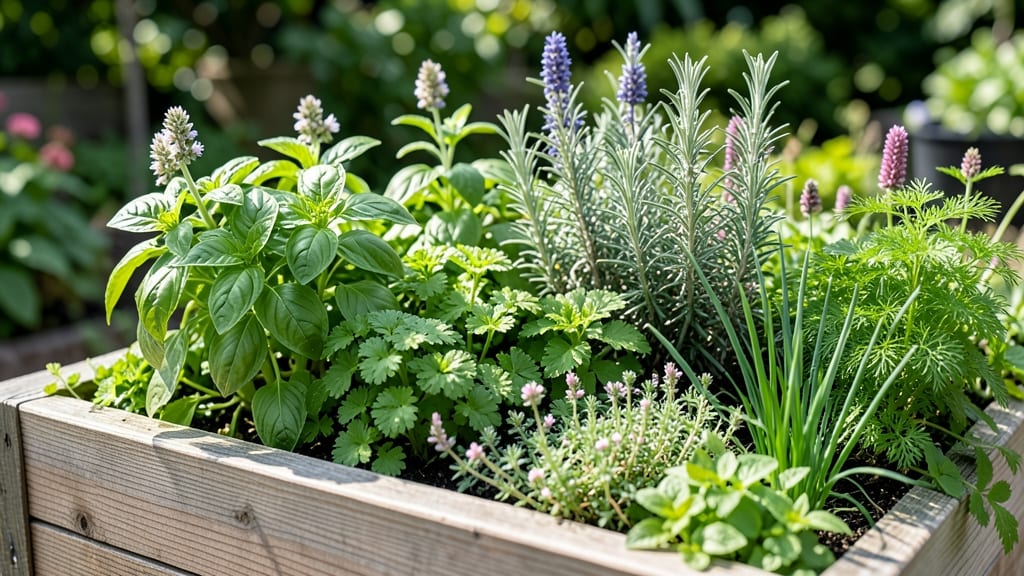
Planting herbs in the garden is the easiest way to turn your yard into a fragrant, functional kitchen hub—plus, they’ll attract pollinators while you’re at it.
Picture this: a patch of fast-growing basil, mint, and thyme thriving under the sun, their scent wafting through the air as you snip fresh leaves for meals. These aren’t just pretty plants—they’re powerhouses that repel pests, boost flavor, and even support local ecosystems.
Whether you’re a beginner or a seasoned gardener, the right herbs can transform your space with minimal effort.
But not all herbs are created equal. Some need full sun and well-draining soil, while others thrive in partial shade or cooler climates. The key is matching your garden’s conditions to the right plants—like rosemary for dry, sunny spots or cilantro for cooler, damp areas.
With the right choices, you’ll harvest flavorful greens in as little as 60 days, turning your garden into a year-round resource.
In this guide, I’ll walk you through 15 top herbs that grow quickly, their ideal conditions, and how to pair them for maximum benefits—both for your cooking and your local wildlife. Ready to turn dirt into dinner?

15 Fast-growing herbs for cooking and pollinator support
Creating a thriving herb garden that doubles as a pollinator paradise is easier than you think! These fast-growing herbs deliver bold flavors for your kitchen while attracting bees, butterflies, and beneficial insects.
Whether you're a beginner or seasoned gardener, these low-maintenance plants will transform your yard into a productive, buzzing ecosystem.
I’ve handpicked these 15 herbs for their rapid growth, culinary versatility, and ecological benefits. Many repel pests naturally, reducing your need for chemical interventions. The best part? Most thrive in partial sun or full sun, making them perfect for containers, window boxes, or in-ground beds.
| Herb Name | Culinary Use | Pollinator Value | Growth Speed | Sun Needs |
|---|---|---|---|---|
| Basil | Pesto, salads, pasta | Attracts bees | 3-4 weeks | Full sun |
| Mint | Tea, desserts, cocktails | Bee magnet | 2-3 weeks | Partial shade |
| Chives | Soups, eggs, potatoes | Butterfly-friendly | 4-6 weeks | Full sun |
| Dill | Pickles, fish, salads | Hosts swallowtail butterflies | 3-5 weeks | Full sun |
| Cilantro | Salsas, curries, tacos | Bee nectar source | 3-4 weeks | Partial shade |
| Thyme | Roasts, stews, bread | Drought-tolerant pollinator | 6-8 weeks | Full sun |
| Rosemary | Meats, bread, potatoes | Bee-friendly evergreen | 8-10 weeks | Full sun |
| Oregano | Pizza, pasta, marinades | Attracts beneficial wasps | 6-8 weeks | Full sun |
| Lavender | Tea, desserts, sachets | Top bee attractant | 8-12 weeks | Full sun |
| Borage | Salads, garnish | Bee and butterfly superstar | 3-4 weeks | Full sun |
| Parsley | Soups, garnish, pestos | Moderate bee interest | 6-8 weeks | Partial shade |
| Sage | Stuffing, sausage, butter | Drought-resistant pollinator | 6-8 weeks | Full sun |
| Chamomile | Tea, calming remedies | Bee and butterfly favorite |
How to choose the Best herbs based on garden conditionsSelecting the right herbs for your garden depends on three key factors: your local climate, the sunlight availability, and your soil type. Each herb has unique needs, so matching them to your garden’s conditions ensures thriving growth and bountiful harvests. For example, rosemary and thyme crave full sun and well-draining soil, while cilantro and parsley tolerate partial shade and richer soil. Understanding these preferences helps you avoid common mistakes like wilting basil or stunted oregano. Start by assessing your garden’s sunlight exposure. Most herbs thrive with 6-8 hours of direct sun daily, but some, like mint and chives, adapt well to partial shade. Use a sunlight map of your yard to identify hotspots and shadier areas. Next, test your soil’s pH and drainage—herbs like lavender need alkaline soil, while basil prefers slightly acidic conditions. A simple soil test kit can save you from overwatering or nutrient deficiencies. 🌱 Herb Selection Pros & Cons Based on Garden ConditionsFull Sun Lovers
🌞 Best for: Rosemary, Oregano, Thyme, Sage Partial Shade Tolerators
🌿 Best for: Cilantro, Parsley, Dill, Chives Drought-Resistant Picks
💧 Best for: Lavender, Rosemary, Thyme, Sage Rich Soil Lovers
🌱 Best for: Basil, Cilantro, Parsley, Mint Once you’ve matched herbs to your garden’s conditions, consider companion planting to boost growth and deter pests. For instance, basil and tomatoes grow better together, while rosemary and carrots repel carrot flies. Group herbs with similar needs—like sun-loving oregano and thyme—to simplify care. Avoid planting mint near other herbs as it spreads aggressively and can crowd out neighbors. For container gardening, prioritize compact herbs like thyme, chives, or dwarf rosemary. Ensure pots have drainage holes and use a well-draining potting mix. In cooler climates, opt for hardy perennials like oregano or lavender, which return yearly. If you’re in a hot, dry climate, focus on drought-tolerant herbs like rosemary or sage, which require minimal water once established. Finally, adjust your watering and fertilizing routines based on the herbs you’ve chosen. Sun-loving herbs need consistent moisture, while drought-resistant varieties thrive with less water. Use a balanced organic fertilizer in spring to encourage growth, but avoid over-fertilizing, which can lead to leafy growth at the expense of flavor. Regularly prune herbs like basil and mint to encourage bushier, more productive plants. By aligning your herb choices with your garden’s unique conditions, you’ll create a low-stress, high-reward growing space. Start with 2-3 herbs that match your environment, and expand as you gain confidence. Your garden will soon become a fragrant, functional hub that’s as beautiful as it is useful! 🌿 |