
Flowers
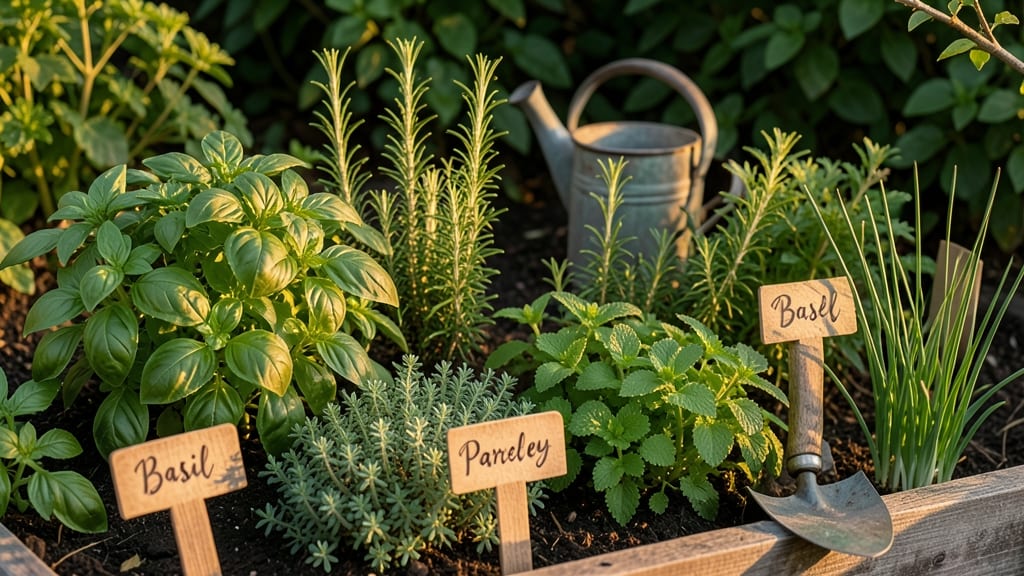
Many gardeners believe that certain edible herbs like basil, parsley, and mint are universally safe for cooking, but some—such as foxglove, larkspur, or hemlock—are highly toxic and must be avoided entirely. Always verify before harvesting or consuming wild or unknown plants.
While common kitchen herbs like rosemary and thyme are indeed safe, their toxic lookalikes can be deadly if mistaken.
For example, poison hemlock—often confused with wild carrot—contains deadly alkaloids that can cause paralysis. 🌿 I recommend cross-referencing with trusted botanical guides or local agricultural experts before consuming any wild-harvested plants, as visual similarities between species can be deceptive.
Even well-known herbs like oregano may have toxic relatives in the wild, so always double-check before using anything from your garden.
When in doubt, perform a simple scent test: toxic plants often emit a bitter or unpleasant odor, while culinary herbs typically smell aromatic and inviting. This basic safety check can save you from accidental poisoning while foraging or gardening.
💡 In This Article
- Toxic vs. Safe Edible Herbs: Key Differences
- How to Identify and Test Garden Herbs for Safety
Toxic vs. safe edible herbs: key differences
The difference between safe culinary herbs and toxic lookalikes often comes down to leaf structure and chemical compounds. Safe herbs like basil and parsley have broad, flat leaves with smooth edges and pleasant aromas, while toxic plants often feature deeply lobed or jagged leaves.
For example, poison hemlock's leaves are finely divided and grow in a triangular pattern, unlike the rounded leaves of edible parsley. 🌿 The toxic compounds—like coniine alkaloids in hemlock—can cause respiratory failure, while safe herbs contain beneficial antioxidants and essential oils.
Growth patterns also reveal key distinctions. Culinary herbs typically grow in compact, bushy formations, while many toxic plants have tall, hollow stems (like foxglove) or a strong, unpleasant odor.
Wild parsnip, for instance, grows up to 6 feet tall with yellow flowers, whereas edible parsnips are root vegetables with no toxic compounds. The chemical difference is stark: toxic plants often contain glycosides or saponins, which can cause severe digestive distress or neurological damage.
Another critical factor is the taste test—though caution is required. Safe herbs like rosemary and thyme have a warm, aromatic flavor, while toxic plants often taste bitter or soapy. For example, larkspur's bitter taste is a warning sign, as it contains toxic alkaloids.
However, never rely solely on taste: some toxic compounds (like those in foxglove) can cause delayed reactions, making immediate testing dangerous. Always cross-reference with botanical guides before consumption.
Color and texture also play a role. Safe herbs usually have soft, velvety leaves, while toxic plants may have waxy or hairy surfaces. For instance, the leaves of edible mint are smooth and bright green, whereas poison hemlock's leaves are rough and have a slightly bluish tint.
These visual cues can help distinguish safe plants from deadly imposters in the garden or wild.
Consider the root system as another clue. Many toxic plants have deep, fibrous roots, while culinary herbs often develop shallow, clustered roots. For example, wild carrot (Queen Anne's lace) has a long, slender taproot, whereas edible carrots have a shorter, stouter root.
This distinction is crucial when foraging, as roots can contain concentrated toxins.
When in doubt, consult a local agricultural extension service or a botanist. They can provide verified identification and guidance on safe harvesting practices. Many toxic plants resemble edible herbs so closely that even experienced gardeners can make mistakes—so always verify before consuming anything from your garden or the wild.