
Pests
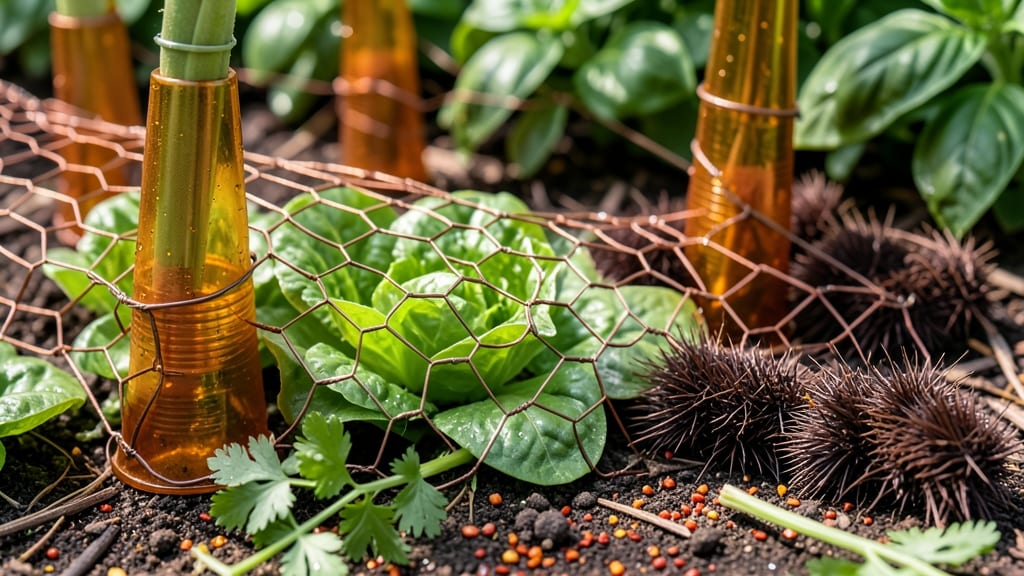
For squirrel repellent in your garden, use natural sprays containing peppermint oil, cayenne pepper solutions, or commercial capsaicin-based products applied directly to plants or soil edges. Reapply every 2-3 days and avoid harming pollinators or beneficial insects.
Squirrels have an incredibly sensitive sense of smell, which is why peppermint oil and capsaicin work so well—they create strong odors these rodents find unpleasant. 🌿 The key is consistent application, especially around high-traffic areas like bird feeders or fruit trees.
I've found that combining these natural repellents with physical barriers (like mesh netting) gives the best results without harming your garden's ecosystem.
When making homemade solutions, always dilute ingredients properly—undiluted peppermint oil or hot sauce can damage plant leaves. Commercial options often include additional ingredients like predator urine mimics, which trigger squirrels' natural avoidance instincts. The best approach depends on your garden's specific challenges and the types of plants you're protecting.
💡 In This Article
- How Natural Squirrel Repellents Deter Rodents
- Best Homemade Squirrel Repellent Recipes for Gardens
How natural squirrel repellents deter rodents
Squirrels rely on their extraordinary sense of smell—up to 10,000 times more sensitive than humans—to detect threats. That’s why peppermint oil works so effectively: its strong aroma masks scent trails they use to navigate, creating confusion.
A single drop of peppermint oil mixed with 1 quart of water creates a potent spray that squirrels avoid due to this olfactory disruption. The menthol compounds in peppermint trigger their natural aversion to unfamiliar or overwhelming scents, making them steer clear of treated areas.
Capsaicin—the compound that makes chili peppers hot—works differently by irritating their respiratory systems. When squirrels sniff or encounter capsaicin-based sprays (like cayenne pepper solutions), they experience a burning sensation that creates a strong taste aversion. Studies show squirrels remember these unpleasant experiences and avoid areas where they’ve encountered capsaicin.
For best results, apply repellents during dawn or dusk, when squirrels are most active and their senses are sharpest. This timing maximizes the repellent’s effectiveness by aligning with their natural behavior patterns.
The key to long-term success lies in consistency. Squirrels are intelligent and can adapt if repellents are applied sporadically. Reapplying every 2-3 days or after rain ensures the scent remains strong enough to deter them.
I’ve found that combining repellents with physical barriers—like chicken wire around young plants—creates a multi-layered defense that’s nearly foolproof. The combination of scent disruption and physical obstruction makes it much harder for squirrels to access your garden.
However, not all natural repellents are equal. For example, vinegar-based sprays (1:1 ratio with water) work by creating an unpleasant odor, but they may also harm certain plants if overused. Always test repellents on a small area first to check for phytotoxicity.
Commercial products often include additional ingredients like predator urine mimics, which trigger squirrels’ instinctual fear of larger animals. These formulas are convenient but may contain synthetic fragrances that could harm beneficial insects like bees.
Another critical factor is application method. Spraying directly on soil edges or plant leaves ensures squirrels encounter the repellent before digging or feeding. Avoid spraying flowers or foliage that pollinators visit, as strong scents can disorient bees and butterflies.
For fruit trees, focus on the trunk and lower branches, where squirrels climb. The goal is to create an invisible barrier that’s unpleasant but not harmful, making your garden less appealing without causing ecological damage.
What most people don’t realize is that squirrels also rely on visual cues to assess safety. Placing reflective objects (like old CDs) near treated areas can enhance repellent effectiveness by creating additional sensory disorientation.
The combination of scent, taste aversion, and visual disruption makes natural repellents a powerful tool—when used correctly. 🌿