
Advice
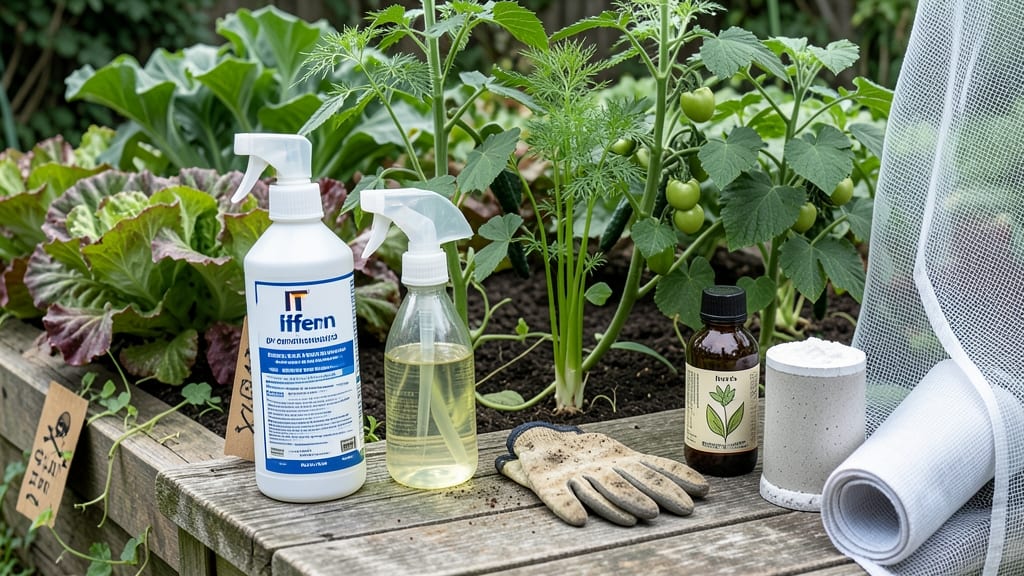
Bifen is generally safe for vegetable gardens when used according to label instructions, as it contains bifenthrin, a synthetic pyrethroid insecticide approved for organic farming in certified programs. However, it poses risks to bees and beneficial insects, requiring careful application timing and avoidance of blooming plants.
When used correctly, Bifen can be an effective tool for managing pests like aphids, flea beetles, and spider mites in your garden. 🌱 The key lies in its EPA approval for organic systems, but this doesn't mean it's risk-free—especially for pollinators.
Bifenthrin works by disrupting insect nervous systems, which is why it's potent against pests but also harmful to beneficial insects if not applied with precision. I always recommend checking the label for specific pre-harvest intervals and avoiding application during peak pollination times to minimize environmental impact.
For those concerned about chemical exposure, consider alternatives like neem oil or insecticidal soaps for less critical situations. These options are gentler on ecosystems while still providing pest control.
The trade-off? They may require more frequent applications and won't be as broad-spectrum as Bifen. Always weigh the benefits against the potential risks to your garden's overall health.
💡 In This Article
- How Bifen Works and Its Impact on Vegetable Gardens
- Safe Application Guidelines for Bifen in Organic Vegetable Gardens
How Bifen works and its impact on vegetable gardens
Bifen's active ingredient, bifenthrin, works by targeting the nervous systems of insects through a mechanism called sodium channel modulation. This synthetic pyrethroid binds to nerve cell receptors, causing uncontrolled nerve firing that leads to paralysis and death in pests like aphids and flea beetles.
The EPA classifies bifenthrin as "moderately toxic" to humans but highly effective against insects, which is why it's approved for organic systems under strict guidelines.
What makes bifenthrin unique is its dual action as both a contact and systemic insecticide. When applied to foliage, it kills insects on contact, but plants also absorb small amounts, providing residual protection.
However, this systemic behavior means bifenthrin can persist in plant tissues for up to 21 days after application, which is why pre-harvest intervals are critical. The chemical degrades in soil through photolysis (sunlight breakdown) and microbial activity, typically with a half-life of 30-60 days depending on environmental conditions.
The biggest concern with bifenthrin is its impact on pollinators. Bees exposed to bifenthrin experience impaired navigation and reduced foraging efficiency, which is why the EPA requires a 48-hour restriction on applications before bees are active. The chemical's volatility also means it can drift on air currents, affecting non-target areas.
Unlike organic pyrethrins (derived from chrysanthemums), bifenthrin is synthetic and more persistent in the environment, which is why organic certifiers allow its use only under controlled conditions.
For vegetable gardens, bifenthrin's effectiveness comes with trade-offs. While it provides 3-4 weeks of residual control against chewing and sucking insects, its broad-spectrum nature means it also eliminates beneficial predators like ladybugs and lacewings.
This is why many organic gardeners use bifenthrin as a last resort, pairing it with companion planting strategies to preserve beneficial insect populations. The key is precision timing—applying bifenthrin when pests first appear but before beneficial insects establish populations in your garden.
Consider this real-world example: In a 2018 University of California study, bifenthrin applied to broccoli plants reduced cabbage worm damage by 87% compared to untreated controls, but also caused a 60% decline in hoverfly populations (important pollinators) within a 50-foot radius of the treated area.
This demonstrates why buffer zones and careful application are essential when using bifenthrin in edible gardens.
The chemical's mechanism also explains why it's less effective against certain pests. For instance, bifenthrin works poorly against soft-bodied insects like mites that have developed resistance through genetic mutations in their sodium channels.
This is why many gardeners rotate bifenthrin with other organic options like kaolin clay or horticultural oils for comprehensive pest management.