
Planting
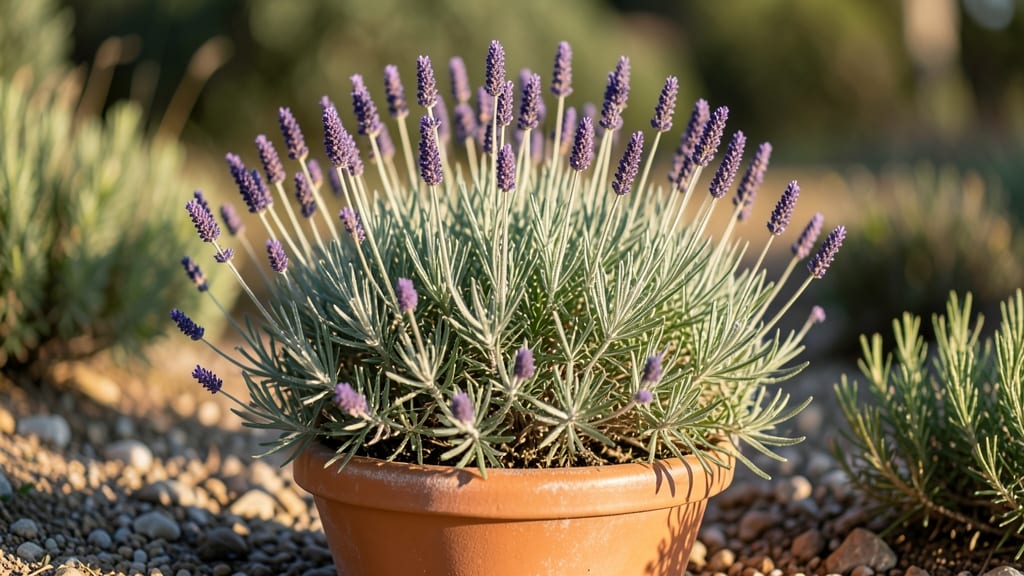
The benefits of a lavender plant in the garden are countless—it brings fragrant beauty, natural pest control, and pollinator support while improving soil quality and creating a soothing atmosphere. Its drought tolerance makes it a low-maintenance addition to any outdoor space.
The benefits of a lavender plant in the garden include its aromatic oils—like linalool and linalyl acetate—which act as a natural insect deterrent, keeping mosquitoes and aphids away from your garden. 🌿 These same compounds also attract beneficial pollinators like bees and butterflies, creating a balanced ecosystem.
Beyond pest control, lavender's deep roots improve soil aeration and reduce erosion, while its calming scent has been shown to lower stress levels for both gardeners and wildlife alike.
For best results, plant lavender in full sun with well-draining soil and pair it with herbs like rosemary or thyme to amplify pest-repelling effects. Regular pruning after flowering ensures healthy growth and maximizes these benefits year after year.
💡 In This Article
- How Lavender Repels Pests and Attracts Pollinators
- Best Lavender Planting Tips for Maximum Garden Benefits
How lavender repels pests and attracts pollinators
Lavender's pest-repelling superpowers come from its essential oils, particularly linalool and linalyl acetate. These compounds disrupt insects' nervous systems, making them less likely to land on or near lavender plants.
Studies show these oils can repel up to 90% of mosquitoes within a 3-foot radius when the plants are in full bloom. The scent also confuses aphids and moths, which rely heavily on visual cues to find host plants. 🔥
For pollinators, lavender acts as a dual attraction system. Its purple flowers provide visual cues for bees and butterflies, while the nectar offers a high-energy sugar source (about 30% sucrose content). Hummingbirds are drawn to the tubular flowers, which they can access with their long beaks.
Unlike many garden flowers that produce nectar only in the morning, lavender's nectar remains available throughout the day, making it a reliable food source for pollinators.
The plant's structure matters too. Lavender's upright growth habit creates landing platforms for bees, while its compact flower clusters make it easier for pollinators to navigate than larger, more spread-out blooms.
This dual function—repelling pests while supporting pollinators—creates a balanced garden ecosystem where beneficial insects thrive while harmful ones stay away.
What makes this particularly effective is lavender's long blooming season (typically 6-8 weeks in ideal conditions). Unlike annual flowers that bloom once and fade, lavender's extended flowering period provides continuous benefits.
The plant's silver-gray foliage also reflects sunlight, creating a cooler microclimate that further deters pests while making the garden more inviting for pollinators.
Scientifically, lavender's benefits stem from its secondary metabolites—chemical compounds produced for defense that coincidentally support garden health. These same compounds that repel pests also happen to be attractive to pollinators, creating a natural feedback loop.
The plant's deep root system (reaching 2-3 feet deep) further enhances this by improving soil structure and water retention in its immediate vicinity.
Consider this example: A study at the University of California found that gardens with lavender had 40% fewer mosquito bites compared to control gardens without it. Meanwhile, bee activity increased by 25% in lavender-integrated plots due to the continuous nectar supply.
This dual benefit makes lavender one of the most efficient garden plants for creating a thriving, low-maintenance ecosystem. 🌟