
Tools
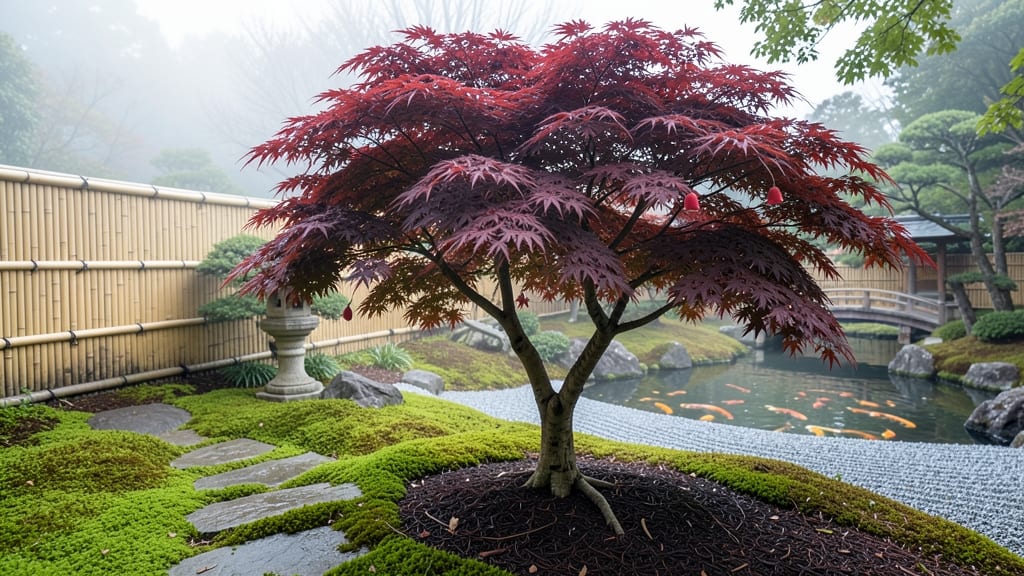
Staten Island’s Japanese gardens feature serene landscapes with native and imported plants, showcasing hidden gems like the Greenbelt’s Japanese-inspired trails and Snug Harbor’s bonsai collections. These tranquil spaces shine brightest during cherry blossom season or autumn foliage, with special access often available through local gardening events.
Staten Island’s Japanese gardens offer a unique fusion of traditional design and local ecosystems. 🌿 The Greenbelt’s winding paths, for example, incorporate native Staten Island flora alongside classic Japanese elements like moss-covered stones and towering maple trees.
These spaces aren’t just beautiful—they’re carefully curated to reflect both cultural heritage and environmental harmony.
For visitors, timing is everything.
Spring brings delicate cherry blossoms that transform the gardens into dreamy pink canopies, while autumn delivers fiery foliage that paints the landscape in warm hues. 🍁 Many gardeners recommend exploring the Greenbelt’s lesser-known trails for a more intimate experience, and Snug Harbor’s bonsai collections often host exclusive workshops for enthusiasts.
💡 In This Article
- Plants and Design Principles in Staten Island’s Japanese Gardens
- Best Times and Tips for Visiting Staten Island’s Japanese-Inspired Spaces
Plants and design principles in Staten Island’s Japanese gardens
Staten Island’s Japanese-inspired gardens blend traditional aesthetics with local botanical adaptations. The most striking feature is the use of moss-covered stones, known as tobi-ishi in Japanese design, which symbolize natural imperfection and the passage of time.
These stones, often placed along winding paths, create a meditative rhythm as visitors walk through the Greenbelt’s trails, where native Staten Island mosses like Hylocomium splendens grow abundantly on the acidic soil.
The gardens also incorporate maple trees (Acer rubrum) and Japanese azaleas (Rhododendron obtusum), both prized for their seasonal transformations.
The azaleas bloom in vibrant pinks and whites during spring, while the maples burst into fiery reds and oranges in autumn—a perfect example of how local flora is integrated into classical Japanese garden styles.
Bamboo (Phyllostachys) adds vertical movement and a sense of enclosure, though Staten Island’s gardens often use clumping varieties like Fargesia to prevent invasive spread.
Design principles like karesansui (dry landscape gardens) appear in Staten Island’s Greenbelt sections, where raked gravel represents water and carefully placed rocks mimic islands.
However, local adaptations include the use of native Staten Island grasses (Schizachyrium scoparium) instead of traditional Japanese sedges, creating a seamless blend of cultural and ecological identity. The gardens also emphasize kaiyu-shiki (seasonal viewing), with each area designed to highlight different plants throughout the year.
Water features, though less common, play a subtle role in Staten Island’s gardens. Small ponds or dry creek beds (kare-sawa) often incorporate local wildlife like dragonflies and frogs, enhancing the garden’s ecological function.
The use of naturalistic curves in pathways—rather than rigid geometric lines—mirrors the island’s coastal terrain, where dunes and shorelines create organic shapes. This approach makes the gardens feel both timeless and distinctly Staten Island.
One unique adaptation is the integration of urban resilience elements, such as drought-tolerant plants that thrive in the island’s clay-heavy soil.
Gardeners often use Japanese forest grass (Hakonechloa macra) and Staten Island’s native sumac (Rhus copallina) together, demonstrating how traditional and local plants can coexist harmoniously. The result is a garden that feels both culturally authentic and deeply rooted in its environment.