
Light Requirements
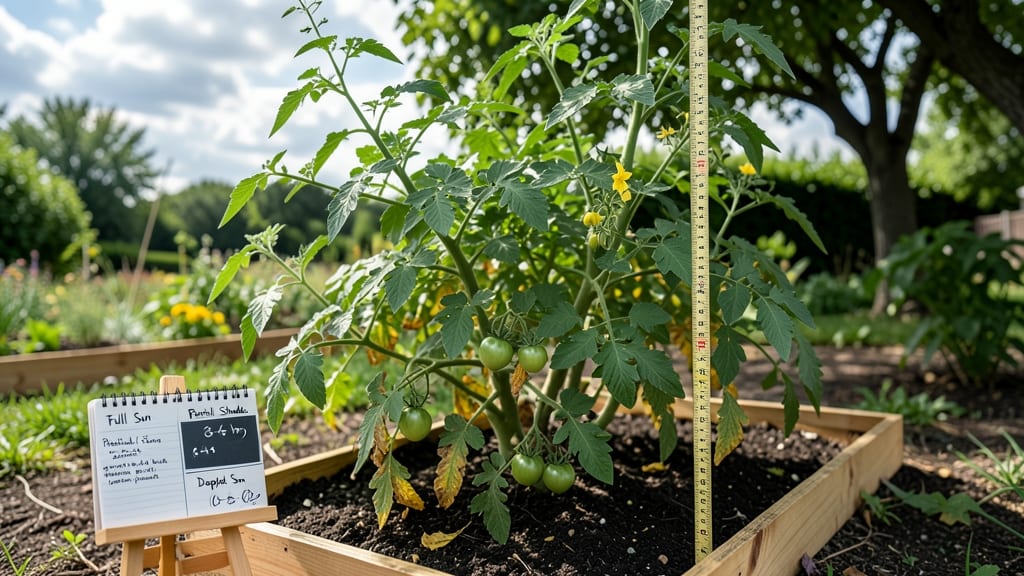
Vegetable gardens need full sun (6+ hours daily) for most crops like tomatoes, peppers, and leafy greens, but some plants thrive in partial shade (4-6 hours), such as lettuce, spinach, and green onions. Light requirements vary by plant type and climate zone.
Most vegetables absolutely crave full sun exposure to produce strong roots and abundant harvests, but not every plant follows the same rule. 🌱 Sunlight fuels photosynthesis, which determines how much energy your plants can store—think of it like their food source.
For example, tomatoes and peppers need that intense light to develop flavorful fruit, while leafy greens like kale can handle a bit less but still perform better with more.
The key is matching your garden layout to each plant's needs, especially in shadier spots where you might need to choose more tolerant varieties.
If your space only gets partial sunlight, don't panic—there are still plenty of options. Shade-tolerant plants like Swiss chard or arugula can thrive with just a few hours of morning sun, while reflective surfaces (like white walls) can bounce extra light onto your garden.
I've even seen gardeners use vertical trellises to maximize light exposure for vining plants like cucumbers, turning limited space into a productive area. The trick is working with what you have while understanding each plant's unique light preferences.
💡 In This Article
- Sunlight Requirements for Common Vegetable Plants
- Maximizing Garden Productivity in Low-Light Conditions
Sunlight requirements for common vegetable plants
Photosynthesis is the core process that determines how much light your vegetables need. Plants convert sunlight into chemical energy using chlorophyll, but different crops have varying efficiencies.
For instance, tomatoes and peppers require 6-8 hours of direct sunlight daily because they need intense light to develop strong cell walls and flavor compounds. Without enough light, their fruit becomes pale, bland, and prone to disease.
The science behind this is that these plants rely on high-energy photons to produce carotenoids—the pigments responsible for their rich colors and flavors.
Leafy greens like kale and spinach are more adaptable, thriving with 4-6 hours of sunlight. Their broad leaves capture light efficiently, but they still benefit from more exposure.
When you notice leaves turning yellow or stems stretching toward light (a condition called etiolation), it's a clear sign of insufficient light. Interestingly, lettuce and green onions can even tolerate 3-4 hours of partial shade, making them ideal for shaded garden corners.
This adaptability comes from their shorter growth cycles and lower energy demands.
Root vegetables like carrots and beets also prefer full sun (6+ hours), but they can handle slightly less if the soil stays moist. Their energy goes into developing edible roots rather than foliage, so they prioritize root growth over leaf expansion.
However, if you're growing in partial shade, expect smaller yields and less vibrant colors. For example, carrots grown with only 4 hours of sun may develop a bitter taste and forked shapes due to uneven growth patterns.
Spacing plays a critical role in light exposure, especially in dense plantings. Crowded plants cast shadows on each other, reducing overall photosynthesis. For full-sun crops, maintain 12-24 inches of spacing between plants to ensure each gets unobstructed light.
In partial shade, you can space plants slightly closer (6-12 inches) since they won't grow as vigorously. I've found that using reflective mulch (like white gravel) around plants can increase light exposure by 10-15%, making a noticeable difference in growth.
Climate also affects light requirements. In northern latitudes, where sunlight is less intense, plants may need slightly more hours of exposure to compensate. Conversely, in hot, dry climates, afternoon shade can protect delicate leaves from scorching while still allowing morning sun for photosynthesis.
For example, basil and cucumbers often perform better with afternoon shade in these regions, as their leaves can burn in direct midday sun.
Here's a quick reference for common vegetables and their light needs:
- Full Sun (6-8+ hours): Tomatoes, peppers, eggplants, squash, corn, beans, herbs (basil, oregano)
- Partial Sun (4-6 hours): Lettuce, spinach, kale, Swiss chard, green onions, radishes
- Partial Shade (3-4 hours): Arugula, mustard greens, bok choy, scallions
Understanding these distinctions helps you design a garden that maximizes productivity while working with your available space. 💫