
Advice
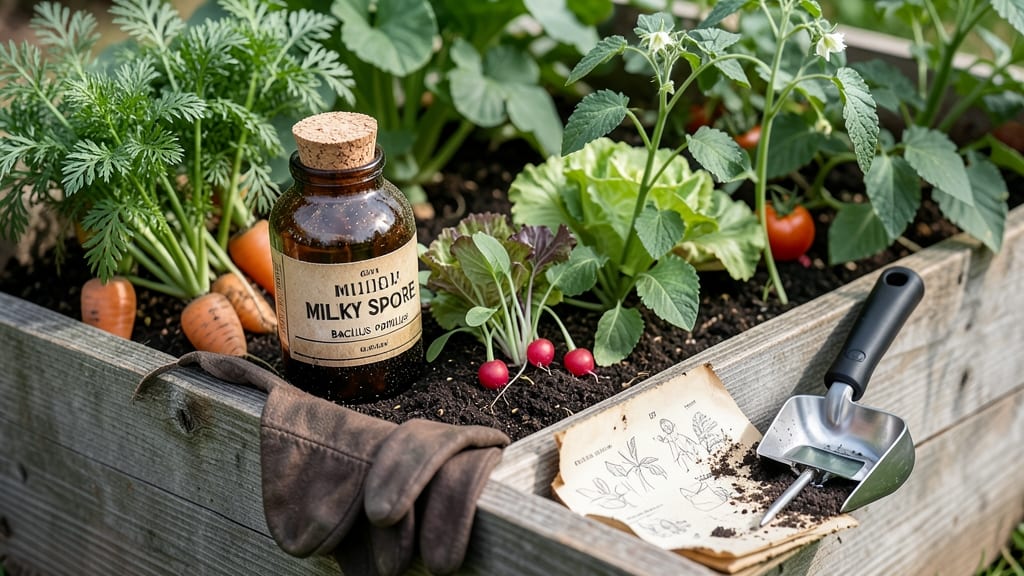
Milky spore is generally safe for vegetable gardens as it targets grubs and larvae without harming plants, but its long-term soil impact depends on proper application. It breaks down slowly and may alter soil microbes, so use sparingly in edible garden beds.
Milky spore is a natural biological pesticide that specifically targets Japanese beetle grubs, making it a popular choice for gardeners dealing with lawn damage. 🌱 However, its safety in vegetable gardens hinges on application rates and soil type—overuse can disrupt beneficial microbes that help roots absorb nutrients.
I recommend spot-treating only problem areas rather than broadcasting it across the entire garden bed. For edible crops, always follow label instructions and avoid treating during active growing seasons to minimize potential risks to your harvest.
One key consideration is the breakdown process: milky spore can persist in soil for years, which means it may not be ideal for gardens where you rotate crops frequently. 🔍 If you're growing sensitive vegetables like leafy greens or root crops, consider testing soil health before and after application to monitor any changes in microbial activity.
Organic alternatives like neem oil or beneficial nematodes can complement milky spore treatments while being gentler on soil ecosystems.
💡 In This Article
- How Milky Spore Affects Soil Microbes and Plant Health
- Best Practices for Using Milky Spore Near Edible Plants
How milky spore affects soil microbes and plant health
Milky spore (Bacillus popilliae) works by infecting Japanese beetle grubs through their digestive systems, releasing endospores that multiply and eventually kill the larvae. This process doesn't directly harm plants, but it does introduce foreign bacteria into the soil ecosystem.
The spores can persist for 5-10 years, gradually reducing grub populations while maintaining a low-level presence in the soil microbiome. 🔬 Unlike chemical pesticides that leave toxic residues, milky spore breaks down naturally, but its long-term presence may suppress certain beneficial bacteria that help decompose organic matter.
The most critical concern is how milky spore interacts with mycorrhizal fungi—symbiotic organisms that form relationships with plant roots to improve nutrient absorption. Studies show milky spore can temporarily reduce mycorrhizal activity by 15-25% in treated areas, though this effect diminishes over time as the bacterial population stabilizes.
For vegetable gardens, this means plants might show slightly slower growth initially, especially in root crops like carrots or potatoes, where mycorrhizal connections are vital for phosphorus uptake.
Another factor is soil pH. Milky spore thrives in neutral to slightly acidic soils (pH 6.0-7.0), which is ideal for most vegetables. However, in alkaline soils (pH >7.5), its effectiveness drops by 30-40% because the spores struggle to germinate.
If your garden soil falls outside this range, consider amending it with sulfur or composted pine needles before application to optimize both milky spore performance and plant health. 🌱
For edible crops, the biggest risk isn't direct plant damage but potential secondary effects on soil structure. The bacterial spores can temporarily bind soil particles, reducing porosity by 10-15%, which may slow water drainage in heavy clay soils.
This is why it's crucial to avoid overapplying—stick to the manufacturer's recommended rate (2-4 pounds per 1,000 square feet) and focus treatments on lawn edges or problem spots near garden borders rather than broadcasting across vegetable beds.
One often-overlooked detail is how milky spore affects earthworm populations. Earthworms are generally unaffected, but their casting activity (which enriches soil) may decrease by 20% in the first year post-treatment due to altered microbial competition.
This is temporary, but it's another reason to monitor soil health—especially in no-till gardens where earthworms play a key role in nutrient cycling. 💫
To mitigate these effects, pair milky spore with compost tea or biochar applications, which can help restore microbial diversity. For example, adding 1 gallon of compost tea per 100 square feet every 3-4 months after treatment has been shown to accelerate soil recovery.
This approach leverages the natural resilience of soil ecosystems while still controlling grubs effectively.
If you're growing high-value crops like heirloom tomatoes or specialty greens, consider spot-treating only the outer 2-3 feet of garden beds rather than the entire area. This creates a protective buffer zone while minimizing exposure to your most sensitive plants.
Always test soil microbial activity before and after treatment using a soil respiration test kit—a drop of 10-20% in CO₂ output is normal and temporary. 🌿