
Tools
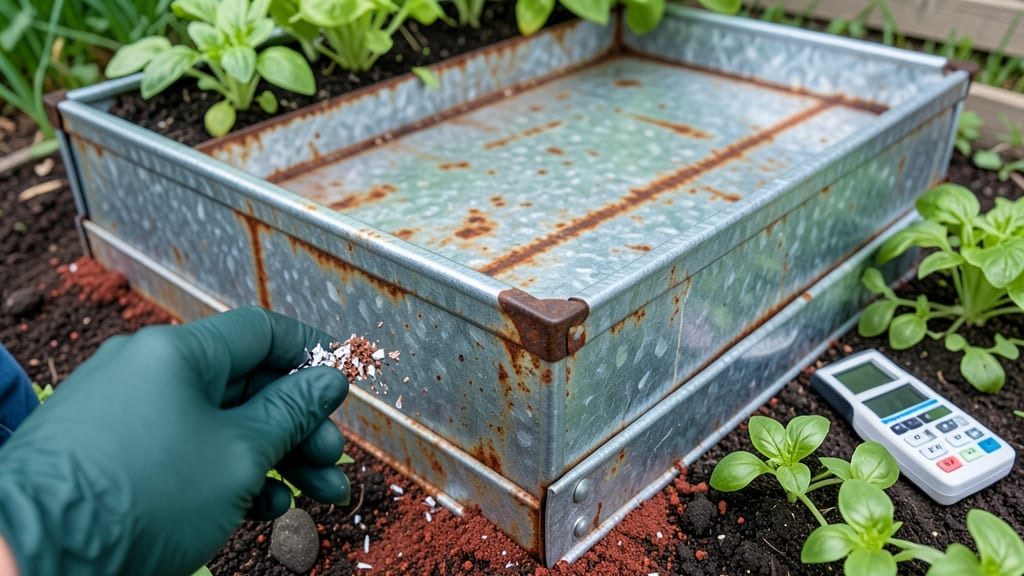
Galvanized steel is not safe for garden beds because its zinc coating leaches into soil over time, potentially harming plants by altering pH and introducing heavy metals. Opt for untreated steel, stainless steel, or plastic alternatives instead.
Galvanized steel's zinc coating isn't just a safety hazard—it actively damages soil chemistry over time. 🌱 The leaching process creates a toxic buildup that disrupts beneficial microbes and can cause yellowing leaves or stunted growth in sensitive plants like tomatoes and peppers.
Even small amounts can alter soil pH, making nutrients less available to roots. I've seen cases where gardeners unknowingly used galvanized edging for years, only to notice their vegetable yields declining without obvious causes.
For a safer approach, consider stainless steel or plastic-coated materials that won't degrade.
Untreated steel will rust eventually, but it's a better short-term option than galvanized. 🔧 The key is matching your material to both your plants' needs and the longevity you require—some gardeners even use recycled vinyl or composite lumber for borders that won't compromise soil health.
💡 In This Article
- How Zinc Toxicity Affects Soil and Plant Health
- Safe Alternatives to Galvanized Steel for Garden Beds
How zinc toxicity affects soil and plant health
The zinc coating on galvanized steel doesn't stay put—it slowly dissolves through a chemical process called oxidation. When exposed to moisture (like rain or irrigation), the zinc reacts with oxygen and forms zinc oxide, which then dissolves into the soil.
This process releases zinc ions at concentrations that can exceed what plants need, often reaching 5-10 parts per million (ppm) near the source. For comparison, healthy soil typically contains only 1-5 ppm of zinc.
Excess zinc creates a double-edged problem for your garden. First, it disrupts soil pH balance, often making the soil more acidic in localized areas. This acidification locks out essential nutrients like phosphorus and calcium, which plants can no longer absorb efficiently.
Second, zinc acts as a heavy metal toxin—it interferes with plant enzymes and disrupts cellular processes, particularly in young leaves. 🌱 You'll notice symptoms like interveinal chlorosis (yellowing between leaf veins) or stunted growth in plants like tomatoes, peppers, and beans, which are especially sensitive to zinc buildup.
The damage isn't just visible—it affects soil life too. Beneficial microbes and mycorrhizal fungi, which help plants absorb nutrients, become less active in zinc-contaminated soil. Studies show that zinc levels above 10 ppm can reduce microbial diversity by up to 40%, weakening your garden's natural nutrient cycle.
Even if your plants survive, their ability to fight pests and diseases weakens because the soil ecosystem is compromised.
What makes this worse is that zinc doesn't just stay where it lands. Rainwater and irrigation can spread it up to 2 feet away from the galvanized source over time, creating a larger affected zone.
Unlike organic matter that breaks down, zinc persists in the soil for years, making it a long-term problem even after you remove the galvanized material. 🌧️ This is why gardeners who use galvanized edging often see declining plant health years after installation, without realizing the connection.
If you're working with existing galvanized steel in your garden, the best immediate action is to remove it as soon as possible and replace it with safer materials.
For contaminated soil, you can try amending with compost or lime to dilute the zinc concentration and restore microbial activity, but complete remediation may require professional soil testing and treatment.
Here's what to watch for in your plants if zinc leaching is occurring:
- Yellowing leaves: Especially between veins on younger leaves
- Stunted growth: Shorter stems or smaller leaves than normal
- Reduced flowering/fruiting: Fewer blooms or smaller harvests
- Brittle stems: Weak structural support in plants