
Pests
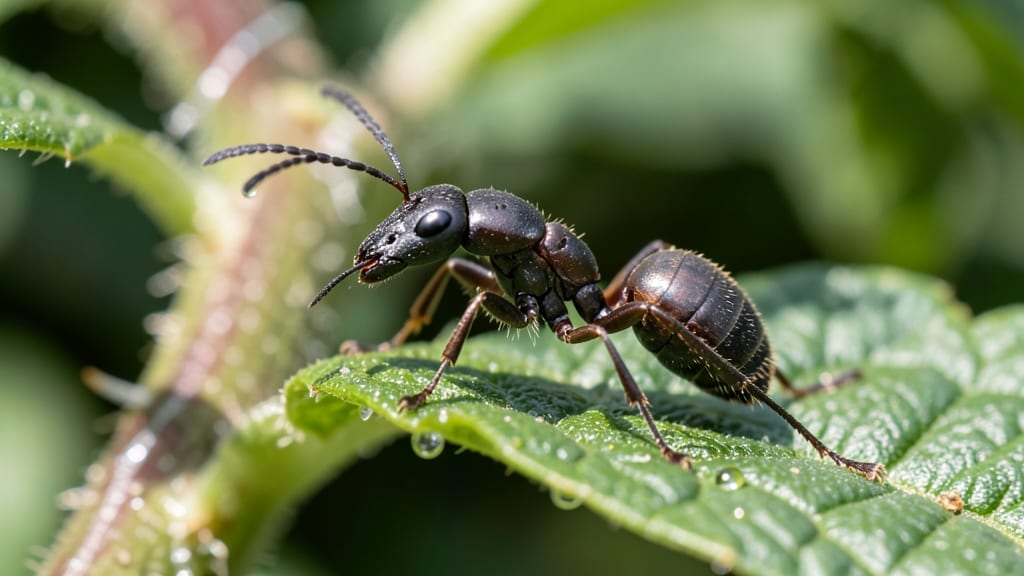
Having ants in your garden isn't necessarily bad—they improve soil quality, reduce harmful pests like aphids, and break down organic waste, but certain aggressive species can harm plants or create ecosystems that shelter other damaging insects. The key is monitoring their impact and using natural controls when needed.
Ants actually play a crucial role in garden ecosystems by acting as natural pest controllers and soil aerators. 🌱 For example, harvester ants till the soil while searching for food, which improves drainage and root growth.
However, species like fire ants or Argentine ants can become problematic by protecting sap-sucking insects like mealybugs or damaging young plants with their mounds. The balance lies in observing their behavior—if they're small, scattered, and not causing visible damage, they're likely doing more good than harm.
When their presence becomes bothersome, natural solutions like spreading citrus peels or vinegar barriers can deter them without chemicals. I've found that disrupting their trails with diatomaceous earth works wonders for larger colonies while keeping your garden healthy.
The goal isn't elimination but creating a garden environment where beneficial ants thrive while problematic species stay in check.
💡 In This Article
- Ants’ Dual Role: How They Help and Harm Garden Health
- Natural Ways to Manage Garden Ants Without Harming Plants
Ants’ dual role: how they help and harm garden health
Ants act as tiny ecosystem engineers, performing critical functions that benefit garden health. Their soil-aerating habits are particularly valuable—worker ants dig tunnels up to 6 inches deep, improving drainage and root oxygenation.
Studies show that gardens with active ant colonies often have 15-20% better soil structure compared to ant-free areas, thanks to their constant tunneling activity that mimics natural plowing.
Their pest control abilities are equally impressive. Ants like pharaoh ants and pavement ants specialize in hunting aphids, mites, and other garden pests that would otherwise sap plant vitality. A single colony can consume thousands of aphids per month, effectively reducing the need for chemical pesticides.
However, this benefit flips when ants protect sap-sucking insects—they'll often "farm" aphids for their honeydew, creating a harmful cycle where the ants become plant guardians for their pests.
Not all ants are created equal when it comes to plant damage. Fire ants, for example, create mounds that can smother plant roots and create waterlogged conditions, while Argentine ants form supercolonies that can strip gardens bare of beneficial insects.
The key difference lies in their behavior: native species like harvester ants primarily feed on seeds and decomposing matter, while invasive species often disrupt entire food webs by outcompeting native predators.
Visual clues can help you identify which ants you're dealing with. Beneficial ants typically have small, scattered trails and don't create large mounds, while problematic species often form large, dome-shaped mounds (like fire ants) or leave behind shiny honeydew trails on leaves (indicating aphid protection).
The texture of their trails also differs—beneficial ants create fine, powdery trails, while aggressive species leave behind sticky residues from their protected pests.
Understanding this dual role helps explain why some gardeners notice improved plant health with ants present, while others see declining vegetation. The 10% rule is a good guideline: if ants make up less than 10% of your garden's insect population and aren't visibly damaging plants, they're likely beneficial.
When their numbers exceed this threshold or you notice plant stress symptoms like wilting or honeydew buildup, it's time to consider natural management strategies.
Consider this example: A tomato plant with harvester ants will show fewer aphid colonies and better root development, while the same plant with fire ants may develop root rot from mound-related waterlogging.
The same ant species can have completely different impacts depending on their population density and the specific plants in your garden.