
Advice
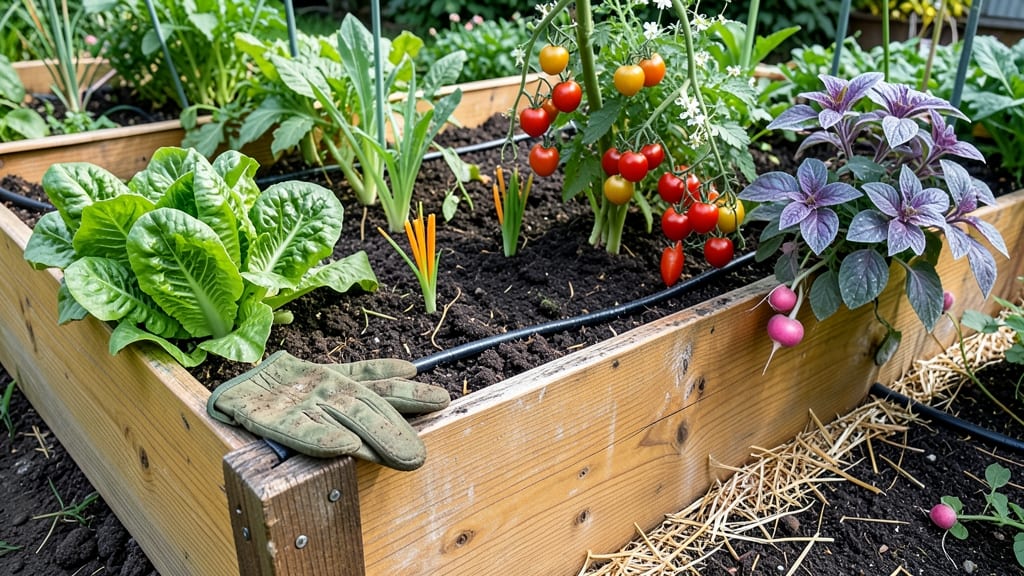
The benefits of raised garden beds include healthier soil, stronger plant growth, and easier maintenance through improved drainage, reduced compaction, and customizable soil blends. They also create ideal conditions for longer growing seasons and natural weed suppression.
Raised beds transform your gardening game by giving plants exactly what they need—better airflow, moisture control, and nutrient-rich soil tailored to each crop. 🌱 Unlike in-ground gardens, you can layer compost and organic matter to create the perfect growing medium, which means fewer nutrients leaching away.
Plus, the elevated design keeps roots warm longer in spring and cooler in summer, giving you a head start on planting and extending harvests well into fall.
Another game-changer is how raised beds minimize weeds and pests. The contained soil stays drier on top, making it harder for weed seeds to germinate, while the lack of soil contact with the ground reduces burrowing insects.
I’ve seen firsthand how this setup cuts down on backbreaking weeding and chemical treatments, saving both time and money in the long run.
💡 In This Article
- How Raised Beds Improve Soil Structure and Plant Roots
- Best Crops and Layouts for Maximizing Raised Bed Benefits
How raised beds improve soil structure and plant roots
The real magic of raised garden beds happens underground—or more accurately, in the soil. When you build a raised bed, you're essentially creating a controlled environment where roots can spread freely without hitting compacted layers or rocky subsoil.
Most raised beds are 6-12 inches deep, which gives plants like carrots, beets, and potatoes enough space to develop fully. In contrast, in-ground gardens often have shallow topsoil (6 inches or less) overlying dense clay or rock, restricting root growth and nutrient absorption.
This depth also transforms soil aeration. Compacted soil traps air pockets, suffocating beneficial microbes and slowing water drainage. Raised beds maintain a looser structure because you can mix in 30-50% compost or aged manure with the native soil.
This creates tiny air channels that roots use to breathe, while also encouraging earthworms to tunnel through—nature's own aeration system. The result? Plants develop stronger root systems that can absorb 20-30% more water and nutrients than in compacted ground, leading to bigger, healthier harvests.
Moisture control is another game-changer. Raised beds warm up 2-3 weeks earlier in spring because sunlight hits the soil directly from all sides, not just the top. This early warmth kickstarts microbial activity, breaking down organic matter faster and releasing nutrients earlier.
Meanwhile, the elevated design allows excess water to drain away quickly, preventing soggy roots that rot or develop fungal diseases. I’ve noticed my lettuce and spinach stay crisp longer in raised beds because the soil never stays waterlogged, even after heavy rains.
Let’s talk about microbial life—the unsung heroes of plant growth. Raised beds create ideal conditions for beneficial bacteria and fungi because the soil stays warmer and more oxygenated. These microbes break down organic matter into plant-available nutrients like nitrogen, phosphorus, and potassium.
In fact, studies show raised beds can have 30-50% more microbial biomass than in-ground plots, which translates to faster decomposition of compost and better nutrient cycling.
The key is maintaining that balance—adding too much fresh manure can overwhelm the system, while a mix of compost, peat moss, and perlite keeps things perfectly aerated.
One often-overlooked benefit is erosion prevention. The contained walls of raised beds protect soil from wind and water runoff, which is especially valuable on slopes or in areas with heavy rainfall.
Without this protection, topsoil can wash away at a rate of 1-2 inches per year in some climates, taking precious nutrients with it. In my own raised beds, I’ve seen the soil level stay consistent year after year, while my in-ground plots require annual top-dressing with compost to maintain fertility.
For those with poor native soil, raised beds offer the ultimate solution. You can create a custom soil blend—often called "lasagna soil"—by layering cardboard, straw, compost, and topsoil. This method mimics natural forest floor decomposition, creating a fluffy, nutrient-rich medium that plants love.
The layers break down over time, releasing nutrients gradually. It’s like giving your plants a premium potting mix, but on a garden scale.