
Light Requirements
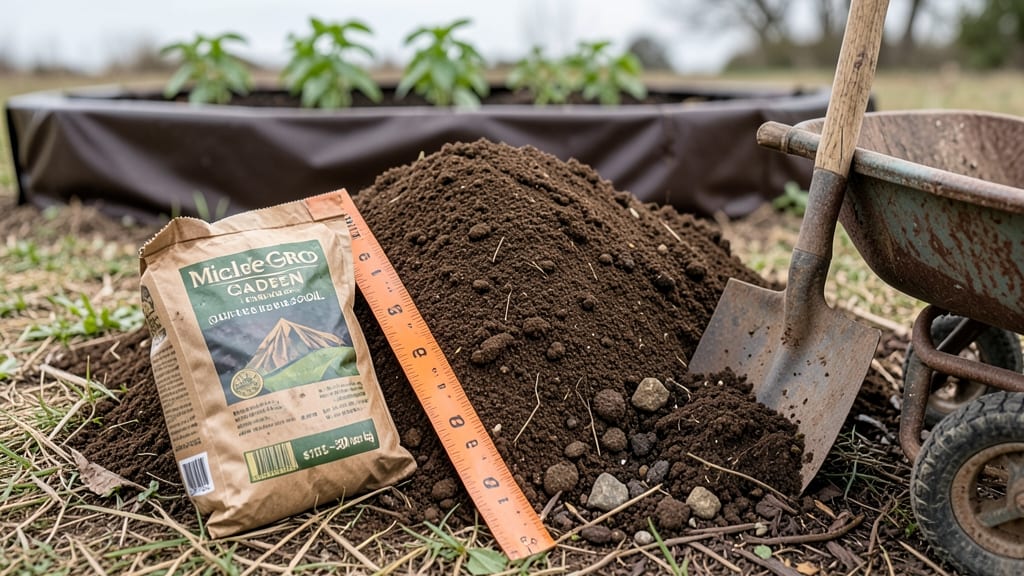
A yard of garden soil costs between $15 to $50 depending on type, with basic topsoil averaging $15–$30, compost-enhanced blends running $25–$45, and premium mixes (like raised-bed soil) reaching $40–$60+. Pricing also depends on your location, supplier type, and whether you need delivery.
A yard of garden soil isn't a one-size-fits-all price tag—it varies based on what's in the mix. 🌱 For example, standard topsoil is the budget-friendly option, perfect for filling large garden beds, while compost-blended soil adds nutrients but costs more.
If you're working on a raised garden or container plants, specialty mixes justify the higher price with their tailored nutrient profiles. I always recommend checking local farm stores first—they often offer bulk discounts that big-box retailers can't match.
What's interesting is how regional differences play into this. In urban areas, delivery fees can push prices up by 20-30%, while rural suppliers may offer cheaper rates but require you to haul the soil yourself.
Seasonal demand also affects costs—spring planting season sees price spikes, while late fall offers better deals. For large projects, splitting orders between multiple suppliers can sometimes save you money compared to buying everything from one place.
💡 In This Article
- Factors That Influence Garden Soil Pricing in 2024
- Best Ways to Buy a Yard of Soil for Maximum Savings
Factors that influence garden soil pricing in 2024
The composition of garden soil is the single biggest factor in pricing. Standard topsoil, which is primarily inorganic mineral particles, costs less because it requires minimal processing. 🌱 It's essentially the upper layer of decomposed rock and organic matter found naturally in forests or agricultural fields.
In contrast, compost-enriched blends contain 20-40% organic matter—like decomposed leaves, grass clippings, or manure—which requires additional processing and nutrient balancing, driving up costs by 50-100%. For example, a yard of basic topsoil might contain only 5-10% organic material, while premium mixes can have up to 60% composted materials.
Location plays a massive role in what you'll pay. Urban areas often charge premium prices due to higher transportation costs and limited space for soil storage.
A study from the University of California found that delivery fees alone can add $10–$25 to a yard of soil in cities like Los Angeles or New York. Rural suppliers, however, can offer the same product for $5–$10 less per yard since they avoid these urban markup costs.
The type of supplier also matters—big-box stores like Home Depot or Lowe's typically charge 15-25% more than local farm stores or landscaping suppliers because of their overhead costs.
Seasonal demand creates another pricing layer. During spring planting season (March-May), prices can spike by 10-25% as demand surges. 🌿 I've noticed this firsthand when comparing winter vs. spring prices at local nurseries—what costs $25/yard in December might jump to $32/yard by April.
Conversely, late fall and winter often see discounts of 10-20% as suppliers clear inventory. Bulk purchases (2+ yards) frequently include tiered discounts—some suppliers offer 5-10% off for orders over 3 yards, while others provide free delivery on orders exceeding 5 yards.
Bagged soil vs. bulk delivery creates another pricing dimension. While bagged soil (typically 2-4 cubic feet per bag) offers convenience, it costs significantly more per cubic foot.
A 40-pound bag of topsoil might cost $3–$5, but that's equivalent to $12–$20 per cubic foot—far more expensive than bulk soil at $0.30–$0.50 per cubic foot.
For reference, one yard equals 27 cubic feet, so buying in bulk saves $80–$150 compared to bagged soil for the same volume. The trade-off is storage space and the physical labor of handling loose soil.
One often-overlooked factor is soil certification. Organic-certified soils or those blended with specific amendments (like worm castings or biochar) can cost 20-50% more than conventional mixes. For example, a yard of organic potting soil might run $40–$60 compared to $25–$35 for conventional potting mixes.
The certification process involves rigorous testing for contaminants and nutrient content, which adds to production costs. If you're growing vegetables or have sensitive plants, these premium mixes may be worth the investment—but for general landscaping, standard blends often suffice.