
Advice
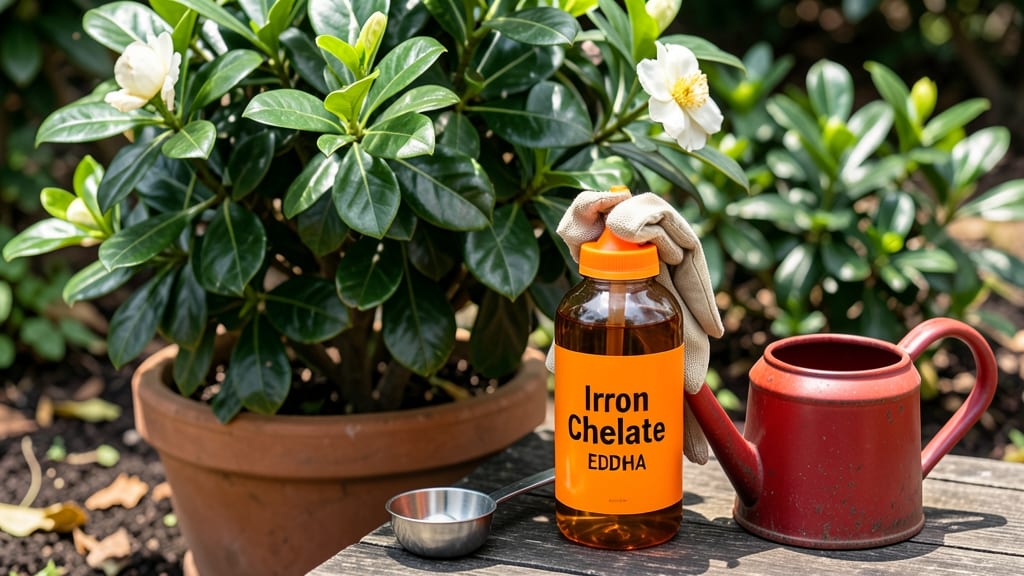
Iron deficiency in gardenias 🌸 can turn your lush shrubs into sad, yellowing shadows—but the fix is simpler than you’d expect.
Picture this: vibrant blooms fading to pale yellow leaves, while the veins stay stubbornly green. That’s iron chlorosis, a common problem for gardenias that thrive in acidic soil. Without enough iron, your plants can’t produce the chlorophyll they need, leaving them weak and struggling to bloom.
Luckily, the solution is straightforward. Whether you’re dealing with alkaline soil or poor drainage, adding the right iron supplement—like chelated iron or organic amendments—can restore your gardenias to their full, fragrant glory.
Below, I’ll walk you through diagnosing the issue, choosing the best iron source, and keeping your plants healthy long-term.
Ready to bring back those rich, glossy leaves and abundant blooms? Let’s get started with the steps that actually work.
How to diagnose and fix iron deficiency in gardenias
If your gardenia bushes are sporting pale yellow leaves with green veins, you're likely dealing with iron chlorosis. This common issue occurs when gardenias can't access iron in their alkaline soil, despite iron being abundant.
Since gardenias thrive in acidic soil (pH 5.0-6.0), this deficiency stunts growth and reduces blooms. The good news? Fixing it is straightforward once you know the right steps.
Iron deficiency isn't just about adding iron—it's about making it available to your plants. Gardenias need chelated iron or iron sulfate applied correctly to avoid further stress. Before reaching for supplements, confirm the issue with a simple soil pH test.
If your soil is above pH 6.5, iron becomes locked out, even if it exists in the soil. Let's diagnose and fix this together.
⚠️ callout warning ⚠️
⚠️ Warning: Don't Overdo Iron!
Too much iron can be just as harmful as too little. Gardenias need balanced iron in acidic soil—never apply iron supplements if your soil is already acidic (pH 5.0-6.0). Always test your soil first! Over-application can cause leaf burn or root damage, worsening the problem.
✅ Quick fix: Use a soil pH test kit (available at garden centers) before adding any iron. Aim for pH 5.5-6.0—this is the sweet spot for gardenias.
Start by examining your gardenia's leaves closely. Iron chlorosis has a telltale look: yellowing between veins while the veins stay green. This pattern appears on new growth first, then spreads.
Severe cases may show brown spots or leaf drop. Confuse this with nutrient burn? Check for crispy leaf edges—those are signs of over-fertilization, not deficiency.
Next, grab a soil pH test kit (digital or liquid) to confirm the issue. Dig a 1-inch deep sample near your gardenia's roots and follow the kit instructions. If the pH reads above 6.5, your soil is too alkaline for iron uptake.
Even if iron is present, gardenias can't access it in these conditions. Chelated iron is your best bet here because it binds to iron, making it plant-available.
For immediate relief, apply chelated iron (like Iron Chelate 138) every 4-6 weeks during the growing season. Mix 1 tablespoon per gallon of water and apply directly to the soil around the roots.
Water thoroughly after application to help the roots absorb it. Iron sulfate is another option, but it's less effective in alkaline soils unless you first lower the pH.
If your soil is acidic (pH 5.0-6.0) but iron deficiency persists, try organic amendments like composted leaf mold or peat moss. These improve soil structure and microbial activity, which helps break down iron for better absorption.
Avoid fresh manure—it can raise pH over time, making the problem worse.
For potted gardenias, flush the soil with water to remove excess salts, then repot with acidic potting mix (pH 5.5-6.5). Add a slow-release iron supplement like OsmoSlow Iron to the new mix.
Potted plants are more prone to iron deficiency because their root zones are limited, so monitor soil moisture—overwatering can leach nutrients away.
Prevent future issues by mulching with pine bark or sphagnum peat. These materials naturally acidify the soil over time. Avoid lime or wood ash, which raise pH and worsen iron chlorosis.
If your gardenia is in alkaline clay soil, consider planting it in a raised bed with acidic soil amendments for better control.
Patience is key—it can take 4-6 weeks to see improvement after treatment. If leaves continue yellowing, retest your soil and adjust your approach. Remember, gardenias are acid-loving divas—they reward proper care with glossy leaves and fragrant blooms all season long.
With the right iron fix, your gardenias will be back to their vibrant best in no time! 🌸
Best iron supplements for gardenias: chelated vs. organic options
When your gardenias show signs of iron deficiency—like yellow leaves with green veins—you need a targeted fix. The two best options are chelated iron and organic iron sources, each with unique benefits for these acid-loving plants.
Chelated iron acts fast and won’t alter soil pH, while organic options improve soil health long-term. Let’s break down the best choices for your gardenia’s needs.
Chelated iron is the go-to for quick results because it’s already bound to organic compounds, making iron instantly available to roots. This means you won’t need to worry about soil pH interfering with absorption, which is especially helpful if your gardenia soil is slightly alkaline. Organic options, like blood meal or iron-rich compost, take longer to release nutrients but boost soil fertility over time. Both methods work, but the right choice depends on your gardenia’s current condition and your long-term soil goals.
🌿 comparison table
| Supplement Type | Iron Availability | Application Rate | Frequency | Soil Impact |
|---|---|---|---|---|
| Chelated Iron | Immediate (pH-neutral) | 1-2 tbsp per gallon of water | Every 4-6 weeks | No long-term soil changes |
| Iron Sulfate | Fast (acidifies soil) | 1 tbsp per plant | Every 2-3 months | Lowers pH over time |
| Blood Meal | Slow (organic) | 1 tbsp per plant | Every 3-4 months | Improves soil fertility |
| Iron-Rich Compost | Gradual release | Mix 1-2 inches into soil | Every 6 months | Enhances soil structure |
For immediate results, chelated iron is my top pick. Mix 1-2 tablespoons per gallon of water and apply as a foliar spray or soil drench every 4-6 weeks during the growing season. This method is ideal if your gardenia shows chlorosis symptoms and you need a fast fix.
Just avoid overapplying, as excess iron can harm roots. If you prefer a more natural approach, blood meal or compost are excellent organic choices that also improve soil health over time.
Organic options like blood meal release iron slowly, so you’ll need to apply them more frequently—about every 3-4 months. Mix 1 tablespoon into the top inch of soil or work it into compost before planting.
This method is perfect if you’re also looking to boost soil fertility for other acid-loving plants, like azaleas or camellias. However, organic sources may not provide the quick relief chelated iron does for severe deficiency cases.
If your gardenia’s soil is alkaline (pH above 7.0), iron sulfate can help lower the pH while supplying iron, but use it sparingly—it can over-acidify soil. For most gardenias, maintaining a pH of 5.0-6.0 is key.
Always test your soil before applying any supplement to avoid unintended pH shifts. Pair your iron treatment with a mulch of pine bark to maintain acidic conditions and keep your gardenia thriving.
Remember, the best iron supplement depends on your gardenia’s current health and your soil’s condition. Start with a soil test to check pH and iron levels, then choose the method that aligns with your goals—whether it’s a quick fix or long-term soil improvement.
With the right approach, your gardenias will regain their lush, vibrant foliage and abundant blooms in no time. 🌸