
Tools
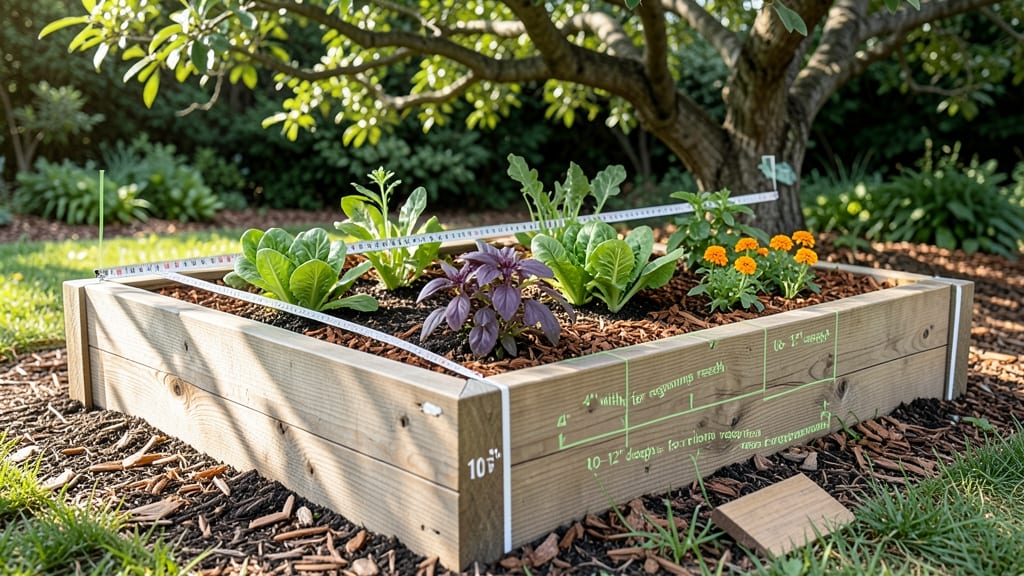
The ideal dimensions for raised garden beds are typically 4 feet wide by 8 feet long to allow easy reach from all sides, with depths of 6 to 12 inches for most vegetables and herbs, while deeper beds (12-18 inches) suit root crops and perennials. Height should be 12-18 inches for accessibility and drainage.
When planning your raised garden bed, these dimensions aren't just random—they're designed to maximize plant health and your comfort.
A 4-foot width lets you reach the center without stepping inside, while the 8-foot length creates enough growing space for diverse crops. 🌱 The depth difference matters too: shallow beds (6-12 inches) work perfectly for leafy greens, but root vegetables like carrots need that extra 6 inches to grow fully.
I've found that adding a 12-18 inch height also improves drainage and reduces back strain, especially for those with mobility concerns.
What's interesting is how these dimensions adapt to different plant types. For example, herbs like basil thrive in shallow beds, while deep-rooted perennials need the full depth to establish strong root systems. The height also affects soil temperature—taller beds warm up faster in spring, giving you an earlier planting window.
Plus, the right proportions make weeding and harvesting much more efficient, saving you time and effort throughout the growing season.
💡 In This Article
- How Raised Garden Bed Dimensions Impact Plant Growth
- Best Raised Garden Bed Sizes for Different Plant Types
How raised garden bed dimensions impact plant growth
The width of your raised bed—typically 4 feet—isn’t just about convenience; it’s about maximizing root development. Plants with shallow roots like lettuce or radishes spread horizontally, and a 4-foot width gives them enough space to access nutrients without crowding.
Deeper-rooted plants like tomatoes or carrots benefit from this width too, as their roots can spread wider before hitting the bed’s edges.
The science here is about soil volume: a 4x8-foot bed contains about 2 cubic feet of soil per square foot, which is ideal for most vegetables to thrive without competition. 🌱
Depth plays an even more critical role in determining what you can grow. A 6-12 inch depth works perfectly for leafy greens and herbs because their roots don’t need much space to access water and nutrients.
However, root vegetables like carrots or potatoes require 12-18 inches of depth to grow fully—otherwise, their roots will hit the bottom of the bed and become stunted. The extra depth also improves drainage, preventing waterlogging that can suffocate roots.
For example, a 12-inch-deep bed might work for beans, while a 16-inch depth is better for asparagus, which has deep, woody roots.
Height matters just as much as width and depth. A 12-18 inch height off the ground improves drainage by allowing excess water to flow away from the roots, reducing the risk of rot. It also warms up faster in spring, giving plants a head start.
For gardeners with mobility issues, this height reduces bending and strain, making maintenance easier. The extra space also helps with soil aeration—roots get more oxygen, which is crucial for healthy growth. 💛
Accessibility is another key factor. A 4-foot width ensures you can reach the center without stepping inside, keeping soil compacted and plants healthy. Longer beds (8 feet) maximize space for companion planting—pairing tomatoes with basil, for example—but can be managed in sections to avoid overreaching.
The right dimensions also make weeding and harvesting more efficient, as you can access plants from all sides without disturbing the soil structure.
Soil volume is directly tied to plant health. A 4x8-foot bed with 12-inch depth holds roughly 384 cubic feet of soil, enough to support a diverse range of crops without overcrowding. This volume ensures consistent moisture retention and nutrient availability, reducing the need for frequent watering or fertilizing.
For deeper-rooted plants, the extra depth means they won’t become root-bound, which can stunt growth or make them more susceptible to pests and diseases. ✨
Finally, consider the long-term impact of your bed’s dimensions. Shallow beds (6-12 inches) are perfect for annuals like lettuce or radishes, while deeper beds (12-18 inches) are better for perennials like asparagus or rhubarb, which need to establish deep root systems.
The height also affects soil temperature—taller beds warm up faster in spring, giving you an earlier planting window. By tailoring your bed’s dimensions to your plants, you’re not just optimizing growth; you’re creating a sustainable, low-maintenance garden. 🌿