
Landscaping
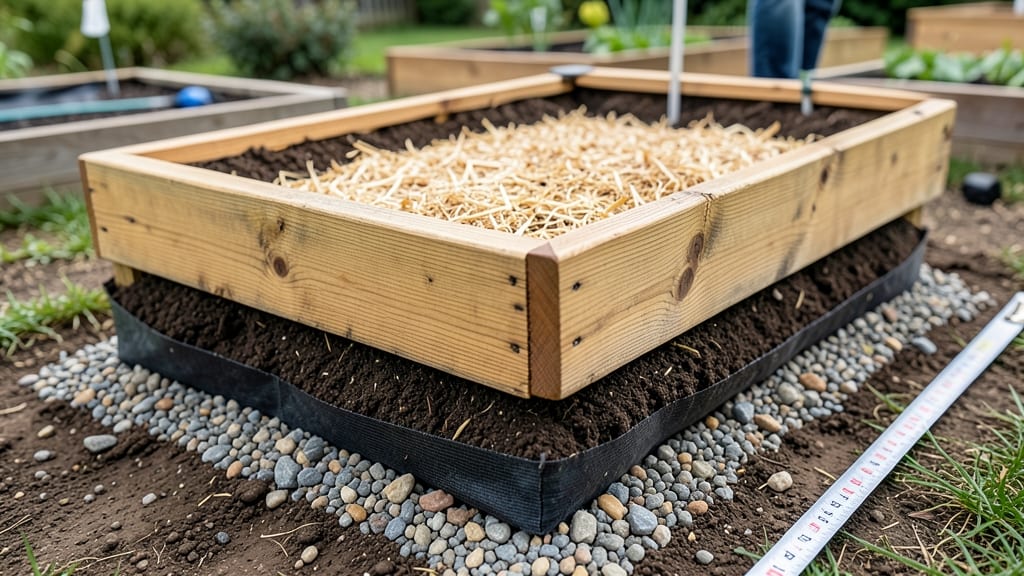
The ideal raised garden bed height is 6 to 12 inches for most General Raised Garden Bed Plants 🌱, balancing root depth, drainage, and your comfort.
Struggling to decide how tall your raised garden bed should be? The right height can mean the difference between thriving plants and wasted effort—affecting everything from root growth to your own back health.
Too shallow, and your veggies won’t grow deep enough; too high, and you’ll strain your knees every time you reach in. Plus, drainage and soil temperature shift with every extra inch.
Below, I break down the science behind optimal heights, how to adjust for accessibility, and when to break the rules for specific crops.

Optimal raised garden bed height for root depth and plant growth
Choosing the right raised garden bed height isn’t just about aesthetics—it’s a science that directly impacts root development, drainage efficiency, and even soil temperature.
Most gardeners default to 6-12 inches for standard beds, but deeper beds (up to 24 inches) can unlock better growth for deep-rooted plants like asparagus or tomatoes. The key is matching your bed height to the root zone requirements of what you’re growing.
Shallow-rooted plants like lettuce, basil, or radishes thrive in beds just 6-10 inches deep, while deep-rooted vegetables (e.g., carrots, potatoes) need at least 12-18 inches to prevent root binding.
The deeper the bed, the more oxygen-rich soil roots can access, but too much depth can lead to poor moisture retention and compaction issues in the lower layers.
Here’s a quick breakdown of how height affects your garden’s performance:
| Bed Height | Root Depth Suitability | Best For | Drainage Impact | Soil Temp Notes |
|---|---|---|---|---|
| 6-10 inches | Shallow roots (herbs, greens, strawberries) | Annual veggies, flowers, container plants | Fast drainage (may need irrigation) | Warms quickly in spring |
| 12-18 inches | Medium roots (tomatoes, peppers, carrots) | Most vegetables, perennials | Balanced (good for most climates) | Moderate warming (ideal for cool seasons) |
| 18-24 inches | Deep roots (asparagus, potatoes, fruit trees) | Long-term crops, drought-prone areas | Excellent (prevents waterlogging) | Cooler at base (may need mulch) |
| 24+ inches | Extreme depth (specialty crops) | Trees, vines, or experimental beds | Over-drains (requires moisture monitoring) | Very slow to warm (delayed spring planting) |
The 12-18 inch range is my go-to for most gardens because it strikes a balance between root expansion and practicality.
For example, tomato plants need at least 12 inches of depth to support their root systems, while bush beans or lettuce will be perfectly happy in a 6-inch bed. If you’re growing potatoes, aim for 18+ inches—their tubers need room to swell without crowding.
Height also plays a crucial role in soil temperature regulation. Deeper beds stay cooler in summer and warmer in winter, which can extend your growing season. However, the bottom 6 inches of a 24-inch bed may never fully warm up in spring, potentially delaying planting.
To mitigate this, I recommend adding compost or mulch to the top layer to insulate the soil.
Don’t overlook drainage benefits—taller beds reduce the risk of waterlogging, especially in clay-heavy soils. A 12-inch bed will drain 30-50% faster than in-ground soil, while a 24-inch bed can drain up to 70% faster.
This is a game-changer for root vegetables like carrots or beets, which rot quickly in soggy conditions.
For deep-rooted perennials like asparagus or rhubarb, investing in a 24-inch deep bed pays off over years. These plants send roots 3-5 feet deep over time, and a shallow bed will stunt their growth.
If you’re unsure, start with a 12-inch bed and add depth later by layering cardboard and compost—this mimics natural soil buildup.
Pro tip: If you’re using cedar or untreated wood for your raised bed, remember that the board thickness (typically 2-3 inches) reduces your usable soil depth. For example, a 12-inch tall bed with 2-inch boards only gives you 8 inches of soil. Always account for this when planning!
Finally, consider your climate zone. In dry regions, deeper beds help retain moisture, while in wet climates, taller beds improve drainage. My 6a zone garden thrives with 14-inch beds—deep enough for most veggies but shallow enough to warm up quickly in spring.
Experiment with test beds if you’re unsure!
🌱
Accessibility and practical considerations for raised bed heights
Choosing the right raised bed height isn't just about plant roots—it's also about your comfort. A bed that's too high can strain your back, while one that's too low might limit your ability to reach plants easily.
For most adults, a 24- to 30-inch height strikes a balance between accessibility and root depth. This height allows you to garden without bending over too much, reducing strain on your knees and lower back.
For children, seniors, or people with mobility challenges, lower heights—around 12 to 18 inches—are ideal. These beds allow for easier access while still providing enough soil depth for most vegetables and herbs.
If you're designing for ADA compliance, aim for a maximum height of 24 inches with a seating option nearby to ensure everyone can enjoy gardening.
Here’s a quick breakdown of how height impacts your gardening experience:
Raised Bed Height: Pros and Cons
Pros of Lower Heights (12-18 inches)
- Easier access for kids and seniors
- Reduces bending, lowering back strain
- Better for ADA compliance
- Lighter materials for DIY builds
Cons of Lower Heights
- Limited root depth for deep-rooted plants
- Less soil volume, requiring more frequent watering
- Harder to insulate in cold climates
Pros of Higher Heights (24-30 inches)
- Deeper root zone for potatoes, carrots, and tomatoes
- Improved drainage and soil temperature control
- Extended growing season in cooler climates
- Better weed suppression
Cons of Higher Heights
- Harder to reach without seating or tools
- More expensive materials for construction
- Heavier structure, requiring sturdier supports
If you're growing shallow-rooted plants like lettuce, herbs, or strawberries, a 12-inch bed is often sufficient. But for deep-rooted crops like potatoes, asparagus, or tomatoes, a 24-inch height is better.
You can also layer your beds—place taller beds at the back and shorter ones in front—to create a tiered look while keeping everything accessible.
Another practical tip: if you're unsure about height, start with a 24-inch bed and add removable seating pads or knee pads to make gardening more comfortable. This way, you get the benefits of extra soil depth without sacrificing ease of use.
For urban gardens with limited space, consider vertical gardening alongside your raised beds to maximize growing area while keeping heights manageable.
Ultimately, the best raised bed height depends on your garden goals, the plants you're growing, and your physical comfort. Test a few heights in different areas of your garden to see what works best for you and your plants. Happy gardening! 🌱