
How To
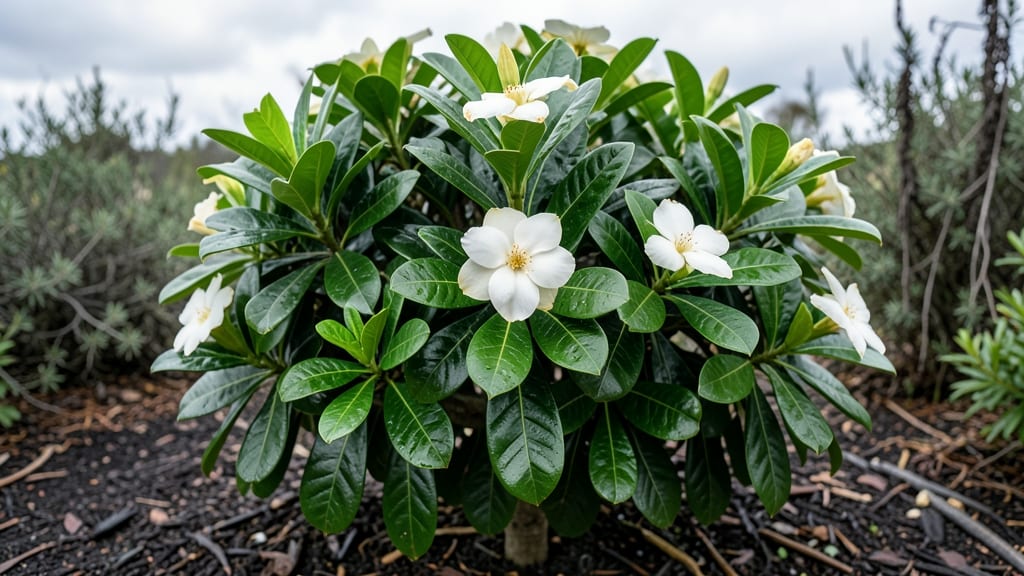
A gardenia tree grows how tall does a gardenia tree grow between 6 and 15 feet at maturity, but the exact height depends on the variety you choose and how you care for it.
If you're dreaming of fragrant gardenias but wondering whether they'll tower over your patio or stay compact enough for containers, you're in the right place. Some varieties barely reach waist level, while others grow tall enough to shade a small tree.
Understanding the height range of each type helps you plan your garden layout or container setup. For example, dwarf varieties like 'Radicans' stay under 5 feet, making them perfect for small spaces, while standard types can climb to 15 feet without pruning.
In this guide, I’ll break down the height differences by popular varieties, share tips for controlling growth, and reveal the secrets to keeping your gardenia at the perfect size for your space.


Gardenia tree height by variety: from dwarf to tall
If you're planning to add gardenias to your landscape, understanding their mature height is crucial for choosing the right variety. Gardenias can range from compact shrubs perfect for containers to towering specimens that need ample yard space.
The Gardenia jasminoides family alone offers varieties that differ by up to 12 feet in height! Let’s explore the most popular types and their growth habits.
Before we dive into specifics, remember that gardenias grow slowly—typically gaining just 6-12 inches per year. This means a 3-foot dwarf variety might take 3-5 years to reach maturity, while a 15-foot standard could take a decade. Proper pruning and sunlight can influence their final height significantly.
The dwarf varieties like 'Radicans' are perfect if you're working with limited space. These stay under 5 feet tall and are ideal for container gardening or small balconies.
Their compact size also makes them easier to maintain and prune. For fragrance lovers, these varieties pack a punch with their intense jasmine-like scent.
If you're aiming for a statement plant, the Gardenia augusta is the tallest common variety, reaching 10-15 feet at maturity. This makes it a stunning specimen tree for large gardens or as a focal point near entryways.
However, its size means it needs ample root space—plant it at least 10 feet away from other plants or structures.
For medium-height options, 'Veitchii' and 'Fortuniana' strike a balance, typically growing 6-8 feet tall. These are excellent choices for hedges or mixed borders where you want a fragrant backdrop without overwhelming your space. Their moderate growth rate means you can shape them more easily than the taller varieties.
When planning your garden layout, consider not just the mature height but also the spread of each variety. Some gardenias, like 'Kleim's Hardy', can spread 3-4 feet wide, while others like 'Radicans' stay more compact and bushy.
This affects how many plants you can fit in a given space and whether they’ll work in containers or ground planting.
Pro tip: If you're growing gardenias in containers, choose the dwarf varieties and use pots that are at least 18 inches wide to accommodate their root systems. For ground planting, dig a hole twice as wide as the root ball to encourage outward growth and stability.
One final consideration is your climate zone. Gardenias thrive in USDA zones 6-10, but their growth rate can slow significantly in cooler zones. If you're in a northern climate, opt for hardy varieties like 'Kleim's Hardy' and expect slightly
How to control gardenia tree height: pruning and training tips
Keeping your gardenia tree at your desired height isn’t just about aesthetics—it’s about maintaining its health and encouraging abundant blooms. Whether you’re growing a dwarf variety in a container or a standard gardenia in your yard, proper pruning techniques and training methods make all the difference.
I’ve found that timing, tool selection, and even the direction of your cuts can transform a leggy, overgrown shrub into a perfectly proportioned, bushy beauty.
First, understand that gardenias grow best with light pruning—they’re not as forgiving as some other shrubs. Over-pruning can stress the plant, reduce flowering, and even stunt its growth. My secret? Focus on selective pruning to shape the tree while preserving its natural form.
Start by identifying the main branches that define your gardenia’s structure, as these will guide your cuts and help maintain the height you want.
- 🌿 Step 1: Choose the Right Time
Prune your gardenia right after blooming (late spring to early summer) to avoid cutting off next year’s flower buds. This timing ensures you’re shaping the plant without sacrificing its fragrant blooms. - 🌿 Step 2: Gather Your Tools
Use sterilized pruning shears or bypass pruners for clean cuts. Avoid dull tools, as they can tear branches and invite disease. Wipe blades with rubbing alcohol between cuts to prevent bacterial spread. - 🌿 Step 3: Identify Target Branches
Look for overgrown branches that are growing taller than your desired height or those that are crossing or rubbing against others. These are prime candidates for removal. - 🌿 Step 4: Make Clean Cuts
Cut just above a leaf node or bud at a 45-degree angle. This encourages new growth in the direction you want. Avoid cutting too close to the trunk, as this can damage the plant. - 🌿 Step 5: Thin Out the Center
Remove sparse or weak branches from the center to improve airflow and light penetration. This step is crucial for bushier growth and prevents disease by reducing humidity buildup. - 🌿 Step 6: Train for Height Control
For container gardenias, use pruning stakes or trellises to guide growth. Gently tie branches to the support as they grow to encourage upward or outward growth patterns. - 🌿 Step 7: Fertilize and Water After Pruning
Apply a balanced, acid-loving fertilizer (like 10-10-10) and water deeply to help the plant recover. This supports new growth and ensures your gardenia stays healthy and vibrant.
If you’re growing a dwarf gardenia in a container, height control becomes even simpler. These varieties, like 'Radicans' or 'Kleim's Hardy', naturally stay between 3 to 5 feet tall.
To keep them compact, prune lightly in early spring to remove any overly long stems and pinch back new growth to encourage bushier foliage. Containers also allow you to control root growth, so choose a pot that’s just slightly larger than the root ball to limit upward expansion.
For standard gardenias that reach 10 to 15 feet tall, focus on structural pruning to maintain a balanced shape. Remove any dead or diseased branches first, then prune to open up the center of the plant.
This not only controls height but also enhances airflow, which is critical for preventing fungal issues like powdery mildew. I’ve seen gardenias that were once unruly transformed into stunning, manicured trees with just a few strategic cuts and consistent care.
One final tip: Never prune in fall or winter, as this can leave your gardenia vulnerable to cold damage and reduce its ability to bloom the following season. Instead, plan your pruning for late spring, just as the plant finishes flowering.
This gives it plenty of time to recover and prepare for the next growing season. With these techniques, you’ll have a gardenia that’s not only the perfect height but also thriving and full of fragrance.