
Light Requirements
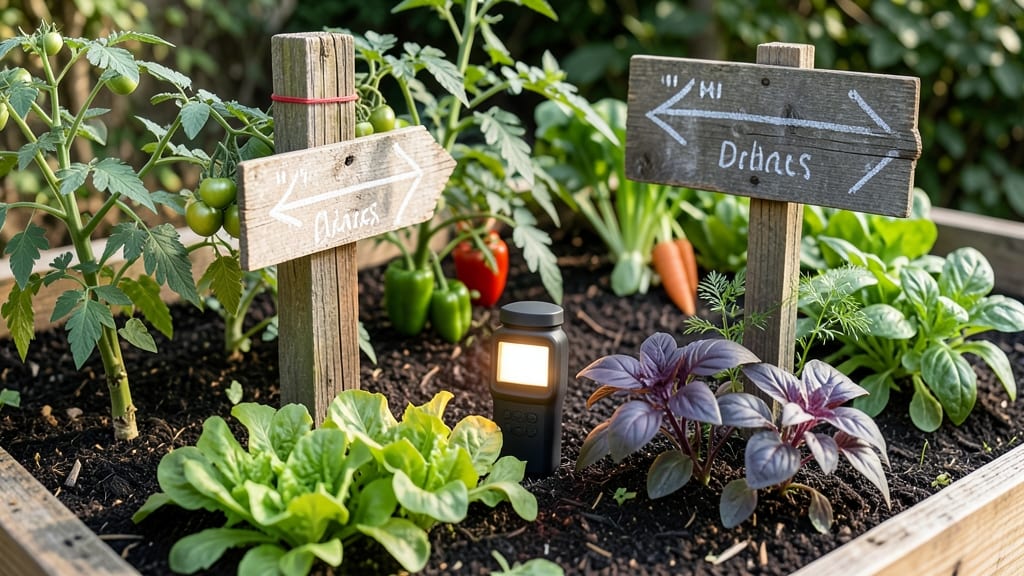
A vegetable garden needs 6 to 8 hours of sunlight daily 🥬 to thrive, but many gardeners overlook how this varies by crop—and that small mistake can mean the difference between a bountiful harvest and wasted effort.
Picture this: you’ve spent weeks planting your dream garden, only to watch your tomatoes struggle or your lettuce bolt into bitter leaves. The culprit? Too little—or too much—sunlight. Some plants, like peppers and cucumbers, demand full sun, while others, like spinach, can handle partial shade.
Without knowing the exact needs, you’re guessing, and guesswork leads to disappointment.
In this guide, I’ll break down the sunlight requirements for every major vegetable, show you how to measure sunlight in your garden (without fancy tools), and share pro tips to adjust for seasons, shade, and even your home’s layout.
No more wasted seeds or stunted plants—just a garden that finally delivers the harvest you’ve been dreaming of.
Ready to turn your garden into a sun-powered success? Let’s get started with the essential sunlight rules every crop needs to grow strong.

Sunlight requirements by vegetable type: full sun vs partial shade needs
Understanding sunlight requirements is the first step to a thriving vegetable garden. Most gardeners assume all plants need full sun, but some thrive in partial shade. Matching your crops to available light prevents wasted effort and underperforming harvests.
Let’s break down the ideal sunlight hours for common vegetables to help you plan your garden layout.
Vegetables typically fall into three sunlight categories: full sun lovers (6+ hours), moderate sun seekers (4-6 hours), and shade-tolerant crops (2-4 hours). Knowing these categories helps you maximize space, especially in urban gardens or areas with limited sunlight.
For example, tomatoes and peppers demand full sun, while leafy greens like spinach can handle partial shade.
Here’s a quick reference for your garden planning:
| Sunlight Category | Vegetable Examples | Ideal Hours of Sun | Notes |
|---|---|---|---|
| Full Sun | Tomatoes, Peppers, Cucumbers, Corn, Eggplants, Okra | 6+ hours | Thrive in intense sunlight; may struggle in shade. |
| Moderate Sun | Green Beans, Carrots, Beets, Lettuce, Kale, Swiss Chard | 4-6 hours | Balanced needs; adaptable to partial shade. |
| Partial Shade | Spinach, Radishes, Bok Choy, Arugula, Peas, Broccoli | 2-4 hours | Ideal for low-light gardens; avoid full sun. |
Full sun vegetables like tomatoes and peppers need at least 6 hours of direct sunlight daily to produce fruit. Without enough light, they’ll grow leggy and produce fewer harvests. These crops are best placed in south-facing garden beds or containers near sunny walls.
If your garden lacks full sun, consider dwarf varieties or use reflective surfaces like white mulch to boost light exposure.
Moderate sun vegetables, such as green beans and carrots, are more flexible but still need 4-6 hours of sunlight to thrive. They’re perfect for gardens with partial shade in the afternoon, like under fruit trees or near tall shrubs.
These crops often tolerate morning sun and afternoon shade, making them ideal for container gardens on patios with dappled light.
Shade-tolerant vegetables like spinach and radishes are lifesavers for low-light gardens. They only need 2-4 hours of sunlight and can even thrive in filtered light under trees. These crops are great for urban gardeners with balconies or north-facing yards.
Pair them with taller plants like corn or sunflowers to create natural shade for heat-sensitive crops.
If you’re unsure about your garden’s sunlight, observe it for a week. Use a DIY sunlight tracker—place a white board or chalkboard in potential planting spots and mark the sun’s path. This helps you map sunny, partially shaded, and shady areas accurately.
For example, a spot with sunlight from 10 AM to 2 PM qualifies as partial shade, while a spot with sun from 8 AM to 6 PM is full sun.
Mistakes like planting tomatoes in shade or lettuce in full sun lead to poor growth. Tomatoes left in the shade produce small, bitter fruits, while lettuce bolts (goes to seed) when exposed to too much heat.
Always match your crop selection to sunlight availability to avoid these pitfalls. For instance, if your garden only gets 3 hours of sun, focus on leafy greens and herbs instead of fruiting plants.
Pro tip: Use shade cloths in summer to protect sun-sensitive crops like spinach or peas from scorching. Conversely, extend the growing season for full sun plants in cooler climates by using cold frames or row covers to trap heat.
This flexibility lets you grow a wider variety of vegetables year-round, even in challenging light conditions.
By understanding these sunlight categories, you’ll create a balanced garden that maximizes space and yield. Start with your sunniest spots for tomatoes and peppers, then fill partial shade areas with beans and greens.
For truly shady corners, try radishes or microgreens—they’ll reward you with quick, flavorful harvests without fuss.
How to measure sunlight in your garden: tools and DIY methods
Accurate sunlight measurement is the foundation of a thriving vegetable garden. Without knowing your garden's true sunlight exposure, you risk planting sun-loving tomatoes in shady spots or struggling with leafy greens that need less light.
I've learned the hard way—my first pepper plants produced tiny fruits because they weren't getting enough sun, even though I thought they were in full sun!
Most gardeners assume they know their garden's sunlight exposure, but shadows from trees, buildings, or even neighboring plants can drastically reduce available light. The good news? You don't need expensive equipment to measure sunlight accurately.
With just a few simple tools or DIY methods, you can determine exactly how many sunlight hours each spot in your garden receives daily.
I recommend combining these methods for the most accurate results. For example, use the sunlight calculator to estimate, then verify with a lux meter or shadow tracking.
This two-step approach helped me identify a hidden shade spot in my garden caused by a neighbor's new fence—something I would have missed with just one method!
Once you've measured your garden's sunlight, you can confidently choose sunlight-loving crops like tomatoes and peppers for full-sun spots and shade-tolerant greens like spinach or kale for partial shade. This simple step will transform your garden from a guessing game into a productive harvest.
Remember, even a 1-hour difference in sunlight can mean the difference between a bountiful tomato harvest and a disappointing yield. Take the time to measure—your future self (and your veggies) will thank you! 🌱☀️🌿