
Planting
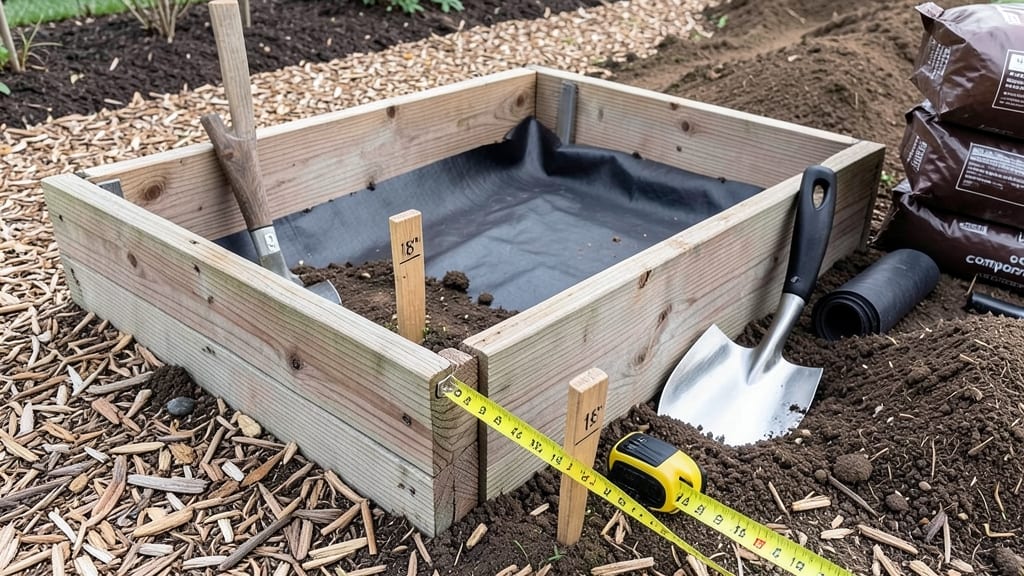
To figure out how deep to make raised garden beds, aim for 6–12 inches—that’s the sweet spot for most vegetables, herbs, and flowers 🌱.
But here’s the catch: too shallow, and root crops like carrots or potatoes won’t develop properly. Too deep, and you’re wasting space (and money on soil).
The depth you choose isn’t just about what you plant—it’s also about drainage, soil temperature, and even how easy it is for you to reach in.
In this guide, I’ll break down the science behind ideal depths, when to go deeper (or shallower), and how to adjust for your climate or specific crops. Whether you’re building your first bed or tweaking an existing one, you’ll walk away knowing exactly how deep to dig—and why it matters.
We’ll also cover common mistakes (like beds that drain too slowly or materials that rot over time) and how to fix them. Ready to get your raised beds just right?
Ideal raised garden bed depth for root growth and plant types
When building raised garden beds, the depth you choose isn't just about how much soil you can fit—it determines whether your carrots grow long enough to eat or your strawberries thrive with deep roots.
Most gardeners start with 6–12 inches of soil depth, but this can vary based on what you're growing. Shallow-rooted plants like lettuce or basil need just 6 inches, while deep-rooted crops like asparagus or potatoes demand 12+ inches to reach their full potential.
The right depth also affects soil temperature, moisture retention, and even weed suppression. Deeper beds warm up more slowly in spring but stay cooler in summer, which can be a game-changer for heat-sensitive plants like spinach.
Meanwhile, shallower beds dry out faster, requiring more frequent watering. Let’s break down the science so you can choose the perfect depth for your garden’s needs.
| Plant Type | Minimum Depth | Best For | Notes |
|---|---|---|---|
| Shallow-rooted (herbs, lettuce, radishes) | 6 inches | Fast-growing greens, annual flowers | Dries faster; needs mulch |
| Medium-rooted (tomatoes, peppers, carrots) | 10–12 inches | Vegetables, small fruits | Balances root space and soil volume |
| Deep-rooted (asparagus, potatoes, corn) | 12–18+ inches | Perennials, root crops | Requires taller beds; richer soil |
| Perennials (strawberries, rhubarb) | 10–12 inches | Long-term yield, low maintenance | Add compost yearly for fertility |
For most home gardeners, a 10–12 inch depth is the sweet spot. This gives enough room for tomatoes, peppers, and carrots while keeping soil temperatures stable and moisture levels consistent.
If you’re growing root vegetables like beets or parsnips, aim for at least 12 inches to avoid stunted growth. I’ve found that deeper beds also reduce the risk of soil compaction, which can suffocate roots over time.
Deeper beds—18 inches or more—are ideal for perennial plants like asparagus or artichokes, which need years to establish their root systems. They’re also great for drought-prone climates, as the extra soil holds moisture longer.
However, keep in mind that taller beds require more soil and may need structural reinforcement to prevent sagging or collapsing over time.
Soil temperature is another critical factor tied to depth. Deeper beds stay cooler in summer, which is a lifesaver for leafy greens that bolt in heat. Shallower beds, on the other hand, warm up faster in spring, giving a head start to cold-hardy crops like peas or kale.
If you’re in a hot climate, deeper beds can protect roots from extreme heat, while in cooler regions, shallower beds might warm up faster for early planting.
Moisture retention is directly tied to depth. A 6-inch bed will dry out quickly, especially in sandy soil, while a 12-inch bed retains moisture longer, reducing your watering chores. For container gardening or small spaces, I recommend adding a mulch layer (2–3 inches) to slow evaporation.
If you’re growing water-intensive crops like cucumbers or melons, deeper beds with extra soil volume are a must.
Accessibility is often overlooked but crucial. Beds that are too shallow (under 6 inches) can lead to poor drainage and root crowding, while beds that are too deep (over 18 inches) may be harder to maintain.
I’ve seen gardeners struggle with 18-inch beds because they’re difficult to reach into for weeding or harvesting. A good rule of thumb is to keep the depth manageable—12 inches is ideal for most vegetables, while 6 inches works for herbs and greens.
If you’re unsure about your bed’s depth, start with a 10-inch bed and adjust based on what you’re growing. You can always add more soil later if needed.
For example, if you plant asparagus in a 10-inch bed, you’ll need to wait an extra year before harvesting to let the roots establish fully. Meanwhile, radishes or green onions will thrive in the same bed without any issues.
Pro tip: Layer your soil for optimal growth. Start with 2–3 inches of coarse material (like gravel or bark chips) at the bottom for drainage, followed by a mix of topsoil, compost, and peat moss.
This setup ensures your plants have both oxygen-rich roots and nutrient-dense soil. For deeper beds, consider adding a slow-release fertilizer to the bottom layer to feed roots as they grow downward.
Remember, the key to successful raised beds is balancing depth, drainage, and plant needs. Whether you’re growing flowers, vegetables, or herbs, the right depth will give your garden the best chance to thrive. Happy planting! 🌱
How to choose raised garden bed height for drainage and accessibility
Choosing the right height for your raised garden beds isn't just about how tall they look—it's about creating the perfect environment for your plants. The right height ensures proper drainage, supports root growth, and makes gardening more comfortable for you.
A bed that's too shallow may stunt your plants, while one that's too tall could lead to soil compaction or drainage issues.
Most gardeners start with a 6-inch to 12-inch depth, which works well for herbs, leafy greens, and shallow-rooted vegetables like lettuce or radishes. However, if you're growing deep-rooted crops like carrots, potatoes, or asparagus, you'll need to go deeper—ideally 12 to 18 inches—to accommodate their full growth potential.
| Bed Height | Best For | Drainage | Accessibility | Soil Volume |
|---|---|---|---|---|
| 6 inches | Herbs, lettuce, strawberries | Excellent | Easy to reach | Limited |
| 12 inches | Vegetables, flowers, small fruits | Good | Comfortable | Moderate |
| 18+ inches | Root crops, perennials, deep-rooted plants | Very Good | Requires tools | High |
Material choice also plays a critical role in determining your bed's height. Wooden beds, like those made from cedar or redwood, typically range from 6 to 12 inches in height, making them ideal for most gardeners.
Cinder block or brick beds can be built taller—up to 18 inches or more—but they require extra planning for stability and drainage. Metal beds, on the other hand, are often lighter and may not support the same soil volume as wood or masonry.
Another key factor is soil fertility over time. Deeper beds retain more nutrients and moisture, which is especially beneficial in dry climates or for heavy feeders like tomatoes or corn.
However, if your bed is too deep, the soil at the bottom may become compacted or lack oxygen, which can harm root growth. To prevent this, mix in compost or organic matter every season to keep the soil loose and fertile.
For accessibility, aim for a height that allows you to work comfortably without bending over too much. A 12-inch height is often ideal for most gardeners, as it reduces strain on your back and knees.
If you're growing shallow-rooted plants, a 6-inch bed can work, but consider adding a seat or bench nearby for easier maintenance. For taller beds, use a small stool or kneeling pad to make weeding and harvesting easier.
Finally, consider your local climate. In areas with heavy rainfall, a slightly taller bed (12 inches) can improve drainage and prevent waterlogging. In drier regions, deeper beds (18 inches) help retain moisture and keep roots cool during hot summers.
Always prioritize well-draining soil and avoid waterlogged conditions, regardless of your bed's height.