
Watering
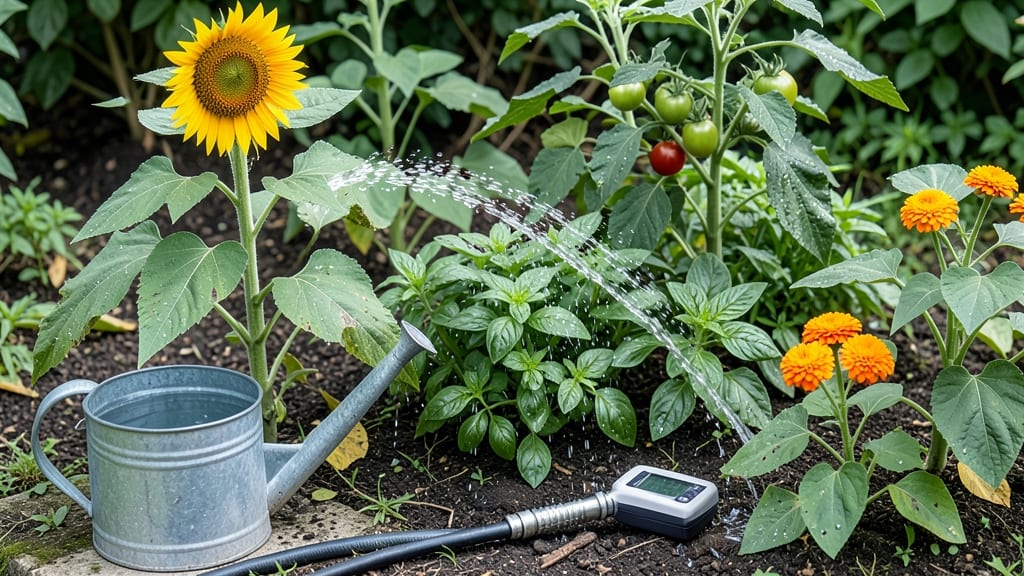
Your garden needs the right amount of water to thrive — not too much, not too little, but just enough to keep roots happy and plants growing strong.
Overwatering or underwatering your garden can spell disaster for your plants—yet most gardeners get it wrong. Discover the exact watering rules tied to your soil type to keep your garden thriving without waste.
Clay soil holds moisture like a sponge, while sandy soil drains faster than a sieve. Loamy soil strikes the perfect balance, but figuring out which one you’ve got—and how it affects your watering schedule—can feel like solving a puzzle.
In this guide, I’ll break down the science of soil moisture, show you how to test your garden’s hydration levels, and share a foolproof schedule for keeping your plants perfectly hydrated all season long.
Water requirements by soil type: the science behind proper hydration
Your garden’s soil type is the hidden key to perfect watering—yet most gardeners ignore it. Clay soil clings to moisture like a sponge, while sandy soil drains faster than a sieve.
Understanding these differences means the difference between lush tomatoes and wilted basil. Let’s break down how each soil type behaves and how to water it correctly.
Soil isn’t just dirt—it’s a living ecosystem with porosity, organic matter, and mineral content that dictate how water moves through it. Loamy soil (the gold standard) balances drainage and retention, while silt soil sits somewhere in between.
Misjudging your soil type can lead to root rot in heavy clay or nutrient leaching in sandy beds. Here’s how to test yours in 5 minutes.
Start by grabbing a handful of damp soil and squeezing it. If it holds its shape like a brick, you’ve got clay soil. If it crumbles instantly, it’s sandy. Loamy soil will mold slightly but break apart easily.
For silt soil, it’ll feel smooth like flour. Knowing your soil type lets you tailor watering to your plants’ needs—no more guesswork!
| Soil Type | Water Retention | Drainage Rate | Ideal Watering Schedule | Common Plants |
|---|---|---|---|---|
| Clay | Very High (90%) | Slow (1-2 inches/week) | Every 3-5 days (deep soak) | Roses, Peonies, Blueberries |
| Sandy | Low (30%) | Fast (dries in 1-2 days) | Daily (light watering) | Cacti, Lavender, Carrots |
| Loamy | Moderate (50-60%) | Balanced (1 inch/week) | Every 2-3 days (adjust seasonally) | Tomatoes, Basil, Zinnias |
| Silt | High (70%) | Medium (2-3 inches/week) | Every 4-6 days (deep water) | Corn, Potatoes, Snapdragons |
Now that you’ve identified your soil, let’s talk watering depth. Most gardeners make the mistake of light, frequent watering, which encourages shallow roots. Instead, aim for 1-2 inches of water per session—deep enough to reach 6-12 inches down, where most roots thrive.
Use a trowel or soil probe to check moisture levels after watering.
For clay soil, water deeply but less often—think 3-5 days between sessions. The goal is to prevent compaction while keeping roots hydrated. Sandy soil, on the other hand, needs daily watering in summer because it dries out faster than a sunbaked sidewalk.
Pro tip: Mulch your sandy beds with straw to slow evaporation.
Seasonal shifts change everything. In summer heat, even loamy soil may need daily watering for vegetables like cucumbers or peppers. In winter, cut back to bi-weekly watering unless you’re growing winter greens. Always water in the early morning to reduce fungal diseases and evaporation loss.
Don’t forget about rainfall—it’s free hydration! Use a rain gauge to track weekly totals and adjust your watering schedule. If you get 1 inch of rain, skip your next watering session for loamy or silt soil.
For container gardens, check soil moisture daily since pots dry out 3x faster than in-ground beds.
Overwatering is just as deadly as underwatering. Signs include yellowing leaves, mushy stems, or a sour smell from the soil. If your tomato plants develop blossom end rot, it’s often a sign of inconsistent moisture.
The fix? Adjust your schedule and improve drainage with organic matter like compost or coconut coir.
Ready to master your soil’s hydration? Grab a moisture meter (or a simple screwdriver) and test your garden’s moisture levels at different depths. With this science-backed approach, your plants will thrive year-round—no more guesswork, just lush, healthy growth. 🌱
How to adjust watering for different plant types and seasons
Not all plants crave the same amount of water—what works for thirsty tomatoes can drown succulents. Seasonal shifts also demand adjustments: summer heat requires deeper soaks, while winter often means cutting back.
The key is matching your watering routine to your plant’s natural needs and the current climate. Let’s break down how to get it right without wasting a drop.
Start by grouping your plants into three broad categories: water-lovers (like lettuce and basil), moderate drinkers (tomatoes, peppers, and most flowers), and drought-tolerant types (succulents, lavender, and ornamental grasses). Each group has distinct signals—wilting in water-lovers often means thirst, while yellowing leaves on succulents scream overwatering.
Seasonally, spring and fall call for moderate watering, while summer often needs daily checks for containers.
- 🌱 Succulents & Cacti: Water every 3-4 weeks (let soil dry completely between waterings). Never let them sit in soggy soil.
- 💧 Vegetables (tomatoes, peppers, cucumbers): 1-2 inches per week (deep watering at soil level to encourage root growth).
- 🌿 Herbs (basil, parsley, cilantro): Keep soil consistently moist but not waterlogged. Water daily in summer, every other day in cooler months.
- ☀️ Seasonal Adjustments:
- Spring: Weekly deep watering (roots establish as temps rise).
- Summer: Daily for containers, every 2-3 days for in-ground (morning watering to prevent evaporation).
- Fall: Reduce by 30% as growth slows; focus on root hydration.
- Winter: Bi-weekly or less (only water if soil is bone-dry; most plants enter dormancy).
- ⚠️ Avoid These Mistakes:
- Watering leaves (leads to fungal diseases like powdery mildew).
- Ignoring mulch (mulch retains 30% more moisture—apply 2-3 inches around plants).
- Using sprinklers on succulents (simulates rain they can’t handle; water at base only).
For container gardens, the rules change entirely. Potted plants dry out 3x faster than in-ground ones because soil has no moisture reserve. Check soil moisture daily in summer—stick your finger in 2 inches deep.
If it’s dry, water until it runs out the drainage holes. In winter, most container plants need only occasional sips unless they’re frost-sensitive.
Pay attention to your local microclimate. A shady corner stays moist longer than a sunny border, while windy areas lose water faster. Group plants with similar needs together to simplify watering.
For example, pair lavender and rosemary (both drought-tolerant) in one bed and marigolds and zucchini (both thirsty) in another. This zone-based approach cuts your watering time in half while keeping plants happier.
Pro tip: Use a soil moisture meter ($10 at garden centers) to avoid guesswork. Insert it into the soil—readings below 30% moisture mean it’s time to water. For organic gardeners, a chopstick test works too: tap a stick into the soil.
If it comes out clean, water; if it’s damp, wait. This simple trick saves hundreds of gallons of water yearly.
Remember, the goal isn’t to keep soil permanently wet but to provide consistent, deep hydration. Most plants prefer 1-inch of water per week during growing seasons, delivered in long, slow sessions rather than quick sprinkles.
Adjust based on rainfall, plant signals, and seasonal shifts—your garden will thank you with vibrant blooms and bumper crops. 🌻