
How To
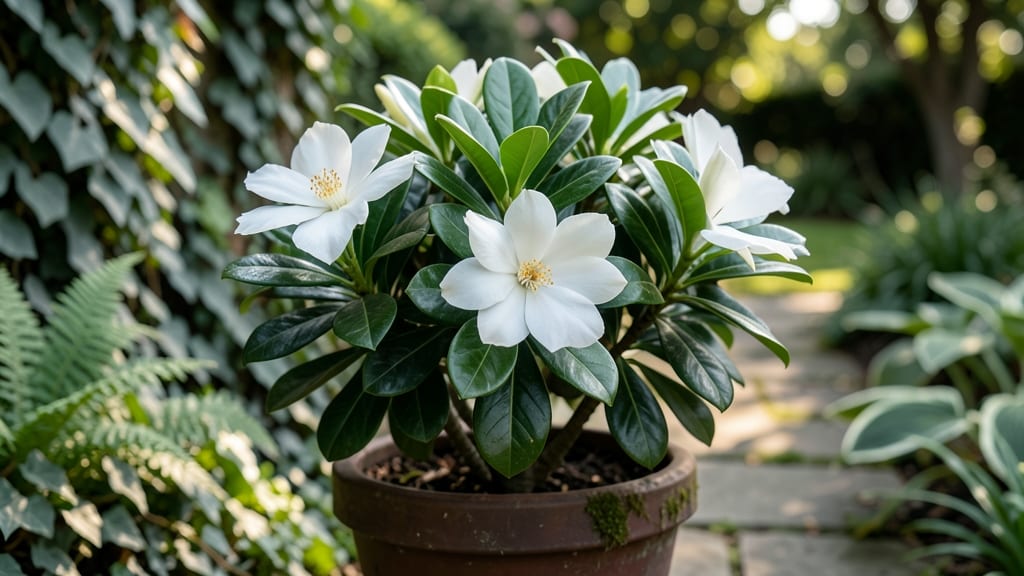
Gardenias grow between 2 and 6 feet tall, depending on the variety, with some dwarf types staying under 2 feet—making them perfect for containers or small gardens.
Imagine planting a fragrant 🌸 gardenia that fills your patio with intoxicating blooms but then realizes it’s outgrown its spot in just a few years. The good news? With the right variety and care, you can control their size and keep them thriving in any space.
From the compact Gardenia jasminoides that fits on a balcony to the towering Gardenia radicans that reaches 6 feet in ideal conditions, size matters for everything from pruning to spacing. I’ll break down the growth habits of popular varieties and share tips to keep them at your desired height.
You’ll also discover how soil, sunlight, and pruning techniques can shape their growth—so you can enjoy those dreamy white flowers without the headache of overcrowded shrubs.
Gardenia mature size by popular variety: from compact to sprawling
Choosing the right gardenia variety depends heavily on your space and design goals. Some varieties like dwarf gardenias stay under 3 feet tall, perfect for patio pots, while others like standard gardenias can reach 6 feet or taller, requiring careful placement in landscape beds.
Understanding these differences helps you avoid overcrowding or underutilized garden space.
Gardenias generally fall into three size categories: compact (under 3 ft), medium (3-5 ft), and large (5+ ft). The most popular species, Gardenia jasminoides, typically grows to 4-6 feet tall with a 3-5 foot spread, but its growth habit varies significantly by cultivar.
Let's explore the most common varieties and their mature dimensions.
🌿 Visual Comparison: Imagine a dwarf gardenia fitting neatly in a 12-inch pot on your balcony, while a standard gardenia would dwarf a 6-foot-tall person when mature. This size range makes gardenias versatile for everything from container gardening to hedge planting.
The dwarf varieties like Gardenia jasminoides 'Radicans' and 'Fortuniana' are ideal for container gardening or small patios. Their trailing habit makes them perfect for hanging baskets, where they can spill over edges beautifully.
These varieties typically stay under 3 feet tall and wide, making them low-maintenance choices for urban gardeners.
For medium-sized gardenias, varieties like 'Kleim's Hardy' and 'Mystery' strike a balance. They grow to 3-4 feet tall and wide, making them versatile for foundation planting or border gardens.
These plants thrive in partial shade and produce abundant fragrant blooms from spring to fall, adding year-round interest with their glossy leaves.
If you have larger garden spaces, consider Gardenia augusta or 'Veitchii', which can reach 6-10 feet tall. These varieties create stunning privacy screens or specimen plants in tropical landscapes. However, their size requires regular pruning to maintain shape and prevent them from becoming too leggy.
When selecting a gardenia, consider not just its mature height but also its spread. A 6-foot-tall gardenia with a 4-foot spread will occupy significantly more space than one with a 2-foot spread.
Always measure your planting area and leave at least 3 feet of clearance around larger varieties to allow for airflow and future growth.
Pro tip: Prune gardenias in late winter or early spring to control size and encourage bushier growth. For container-grown varieties, root pruning every 2-3 years helps maintain compact size. Always use sterilized shears to prevent disease transmission between cuts.
🌱 Remember: Gardenias grow best in acidic, well-draining soil with cons
How gardenia size affects care: pruning, spacing, and container gardening tips
Understanding how gardenia size impacts care is key to keeping your plants thriving. A 4-6 foot standard gardenia (Gardenia jasminoides) needs different attention than a 2-foot dwarf variety.
The right approach to pruning, spacing, and container gardening can mean the difference between a lush, fragrant shrub and a struggling one. Let’s break down how to adjust your care routine based on your gardenia’s mature size.
For in-ground planting, spacing requirements change dramatically. Standard varieties need 3-5 feet between plants to allow airflow and prevent disease, while dwarf types can thrive just 18-24 inches apart. Overcrowding leads to stunted growth and fewer blooms, so plan accordingly.
If you’re working with limited space, consider semi-dwarf varieties that max out at 2-3 feet—they’re perfect for small gardens or foundation plantings.
⚠️ WARNING: Common Mistakes That Stunt Growth or Overcrowd Plants
⚠️ Planting too close to structures (like fences or walls) restricts root growth. Maintain 2-3 feet of clearance for airflow.
⚠️ Using containers without drainage holes causes root rot. Even drought-tolerant varieties need well-draining soil in pots.
Pruning is where size truly matters. Large gardenias (4-6 feet) benefit from structural pruning every 2-3 years to maintain shape and encourage blooming. Focus on removing dead or crossing branches and thinning out overly dense growth from the center.
For compact varieties, a light trim after flowering keeps them tidy without sacrificing next year’s flowers.
Container gardening opens up options for small spaces, but pot size is critical. Dwarf gardenias thrive in 10-15 gallon containers, while standard types need 20+ gallons to accommodate their root systems.
Use a well-draining potting mix with perlite or orchid bark to prevent soggy soil. Remember, potted gardenias dry out faster—water every 2-3 days in summer and reduce to bi-weekly in winter.
Environmental factors also play a role in size control. Full sun exposure (6+ hours) can make gardenias grow 1-2 feet taller than those in partial shade, but it may reduce blooms. If your gardenia isn’t reaching its expected size, check for nutrient deficiencies (yellow leaves) or pests (aphids, spider mites).
A balanced fertilizer (10-10-10) applied every 4-6 weeks during growing season promotes healthy growth.
For gardeners with limited space, training techniques like espalier can turn a standard gardenia into a wall-hugging shrub. Prune horizontally to encourage lateral growth while keeping the plant under 3 feet tall.
This method works beautifully for patio gardens or small yards. Just be patient—it may take 2-3 years to see dramatic results.